5 Destinations for Refined Viticulture and Scenic Vineyards
Wine regions often reveal far more than the wines they produce. A drive through Champagne passes villages with stone presses dating back centuries. In Tuscany, harvest trucks still move slowly along narrow roads between cypress trees and old farmhouses. Santorini’s vineyards grow low against volcanic wind, while Napa and Stellenbosch continue balancing tourism with long-established wine production.
These destinations attract travellers interested in tasting rooms and cellar tours, though daily life in the vineyards is often just as memorable.
Prestigious Estates and Historic Cellars in Champagne
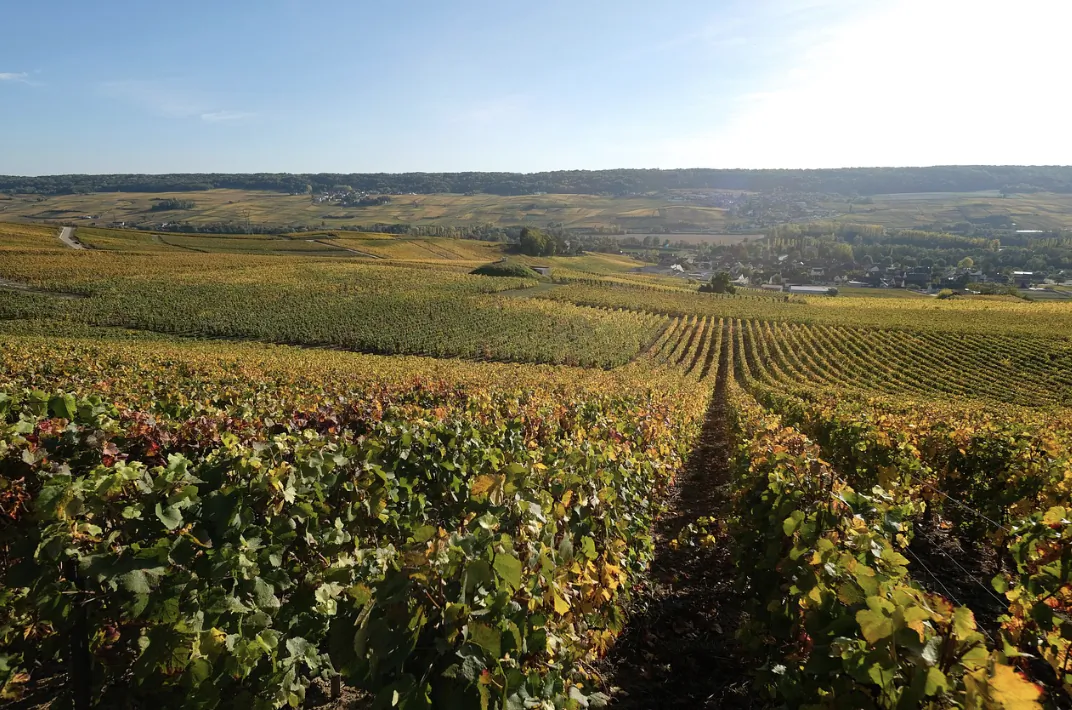
Champagne’s vineyards spread across rolling countryside between Reims and Épernay, though much of the region’s history sits underground. Beneath central Reims, chalk cellars extend for kilometres below streets lined with Belle Époque buildings and old maisons.
Around Place Drouet d’Erlon, wine merchants and cellar entrances appear between cafés and small champagne shops that locals still use regularly. In Épernay, Avenue de Champagne remains one of the region’s best-known stretches, with historic estates hidden behind gates and stone courtyards.
Wine tours in Champagne offer sophistication and a slower, more intimate way to experience the region, combining visits to smaller grower-producers with tastings at the larger houses around Hautvillers and Ay. Villages surrounding the Montagne de Reims are filled with family-run estates where tasting rooms sit beside working vineyards, and narrow lanes are busy with harvest vehicles during autumn. Near Hautvillers Abbey, where Dom Pérignon once worked, vineyard views extend across the Marne Valley toward rows of carefully planted vines.
Outside the major towns, the Côte des Blancs feels quieter, especially around villages like Avize and Le Mesnil-sur-Oger, where Chardonnay dominates production. Local markets still take place in smaller town squares throughout the week, and many estates continue storing bottles beneath old stone properties built generations ago.
Traditional Tuscan Estates and Rolling Hillside Vineyards
Tuscan vineyards often sit among olive groves, cypress trees, and medieval hill towns that have changed little over the decades. Around Greve in Chianti, wine shops and produce stalls fill Piazza Matteotti while vineyard-covered hills rise behind the town. Roads between Castellina, Radda, and Gaiole pass stone farmhouses, Romanesque churches, and estates producing Chianti Classico beneath terracotta roofs darkened by age and weather.
Further south near Montalcino, Brunello vineyards spread across slopes facing Monte Amiata. During harvest season, tractors and grape trailers move through narrow roads near Porta al Cassero and the old fortress walls. Small enotecas near the town centre often pour wines from nearby estates alongside pecorino and locally sourced cured meats. The area around Pienza and Montepulciano adds another layer to the region, with vineyards surrounding Renaissance squares and old stone streets.
Many estates across Tuscany still use underground cellars built centuries ago, particularly near San Gimignano, where Vernaccia production remains important. Local markets in Siena continue selling regional olive oil, truffles, and wine directly from nearby producers, especially around Piazza del Campo during weekend trading hours.
Volcanic Terroir and Private Estate Tastings in Santorini
Santorini’s vineyards look completely different from most European wine regions. Vines grow low to the ground in basket-shaped formations designed to protect grapes from strong Aegean winds. Across villages like Pyrgos, Megalochori, and Emporio, volcanic soil and dry conditions continue shaping production methods that have existed for generations. Whitewashed churches and narrow stone alleys sit only minutes from working vineyards.
Many visitors choose to enjoy private tours in Santorini that include estate visits near Exo Gonia and the slopes below Profitis Ilias, where Assyrtiko grapes dominate local production. Several wineries operate inside converted cave houses and old storage tunnels carved directly into volcanic rock. Around Pyrgos village, terraces overlook vineyard plots stretching toward the caldera, while locals continue to gather near the square beside the old Kasteli walls during the evening.
The island’s wine history also appears in small museums and traditional canavas, many of which were once used for storing grapes and barrels. Near Vothonas, underground spaces built into pumice rock remain cool throughout summer. Local produce markets continue selling capers, tomatoes, and fava beans grown in the same mineral-rich soil that shapes the island’s wines.
Elegant Valley Floors and World-Class Reserves in Napa
Napa Valley combines polished estates with working agricultural land that still dominates much of the region beyond Highway 29. Vineyards cover valley floors between Yountville, Oakville, Rutherford, and St Helena, with mountain ranges rising on both sides. During harvest season, trucks carrying grapes move steadily through Silverado Trail while morning fog lingers over the vines before temperatures rise.
St Helena’s Main Street still holds old storefronts, wine merchants, and historic buildings dating back to Napa’s early winemaking years. Around Yountville, landscaped estates sit close to cycling paths and open vineyard land, while Oakville Grocery continues attracting locals picking up produce and wine from nearby growers. Many wineries in Rutherford and Calistoga operate private reserve tastings inside barrel rooms lined with ageing Cabernet Sauvignon.
Further north, near Howell Mountain and Spring Mountain, estates climb into forested hills where cooler temperatures shape smaller production wines. Some vineyards overlook the valley across rows of redwoods and eucalyptus trees. Farmers’ markets in Napa town continue selling fruit, cheeses, and olive oils sourced from nearby producers throughout the growing season.
Coastal Climate Varieties and Mountain Backdrop Estates in Stellenbosch
In Stellenbosch, vineyard estates sit alongside Cape Dutch architecture, shaded streets lined with old oak trees, and mountain backdrops that constantly shift in colour and light. The town itself stays active around Dorp Street and Church Street, where galleries, produce markets, and wine bars sit inside whitewashed historic buildings. Vineyards spread outward beneath the Simonsberg and Helderberg mountains, particularly around Jonkershoek and the Bottelary Hills.
The region’s coastal climate plays a major role in wine production, especially for Chenin Blanc and Cabernet Sauvignon grown closer to False Bay. Estates near Stellenbosch Kloof and Polkadraai Road often open onto wide vineyard landscapes framed by rugged hills and old oak trees planted centuries ago. During harvest months, workers move between rows carrying crates of grapes while cellar doors open for visitors throughout the day.
Jonkershoek Nature Reserve sits only a short drive from central Stellenbosch and gives a clearer view of how tightly the vineyards sit against the mountains. Local weekend markets near Oude Libertas attract nearby farmers selling cheeses, fruit preserves, and baked goods alongside regional wines. Some estates continue using original manor houses and underground maturation rooms built during the early Cape wine trade.
Which vintage will you discover next?
These wine regions continue attracting travellers for good reason. Centuries-old production methods shape some, while others reflect winemaking traditions closely tied to their surrounding landscapes. Whether the next trip leads to the hills of Tuscany, the volcanic vineyards of Santorini, or the cellar estates of Champagne, each destination offers far more than vineyard tastings and scenic views alone.