The A-Z of Protein Powders
Did you know that protein powder isn’t just for gym enthusiasts, bodybuilders, or Olympic trainers? Shockingly few people realise that it can be a great help in everyday diets and aid healthy ageing. After all, protein is an important part of a healthy diet, and chances are you’re not getting enough. Many people are lost on what to take and how, so we’re covering the basics of incorporating protein powder into your lifestyle. What is the best protein for you, when should you take it, and for what purpose?
Basic Types of Protein Powders
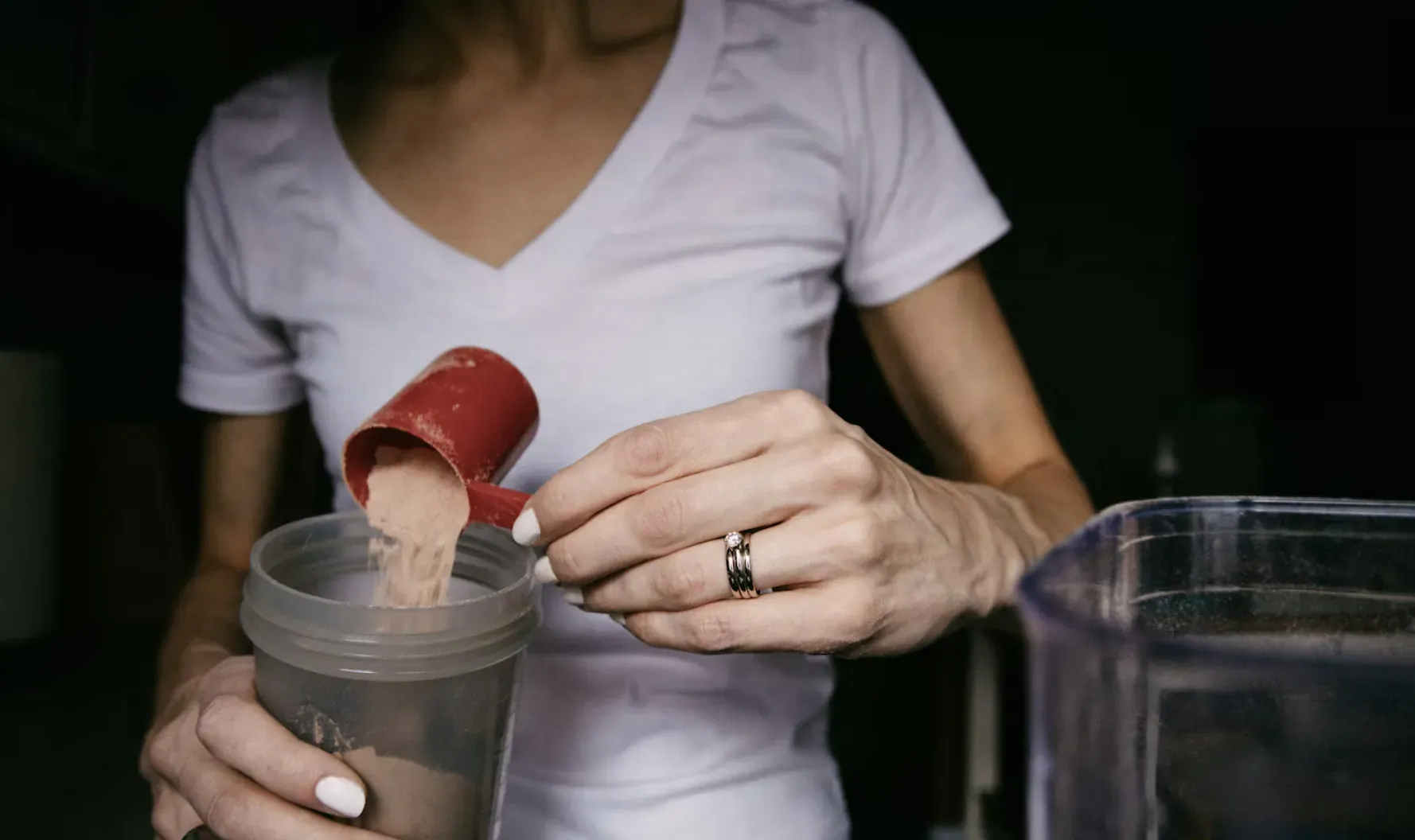
If you visit any drugstore or sports store, you’ll likely see the usual suspects: whey, casein, soy, pea, rice, and hemp. You’ll also find supplements in powder form, like Nestlé’s Boost Optimum, which contains whey protein plus extra vitamins and probiotics.
Whey protein is the most common because it is highly effective. Brands like NutraBio offer premium whey from milk, with all essential amino acids and quick absorption. Casein is dairy-based, contains all amino acids, but digests slowly—ideal before bed. Soy protein offers all amino acids and may support blood sugar control. Pea protein has good levels of most amino acids but is low in cysteine and methionine. Rice protein is low in lysine, while hemp is too, but rich in fibre, omega-3, and omega-6.
However, timing is key, dictated by your goals.
Using Protein Powders for Weight Loss
Protein raises metabolism and curbs appetite, aiding weight loss with or without exercise. Opt for a high-protein snack between meals to reduce daily calories. Powders work well, alongside bars or high-protein supermarket options like yoghurts. Pair with exercise for optimal results, energising your workouts.
Building Muscle with Protein Powders
To grow muscle, consume more protein than your body breaks down during weight or resistance training. Supplement with powder for best results.
The optimal time sparks debate. The general rule is 15–60 minutes post-workout, but the International Society of Sports Nutrition extends this ‘anabolic window’ to 2 hours.
Preventing Age-Related Muscle Loss
As you age, shift focus from gaining to maintaining muscle. Protein shakes like Nestlé’s Boost Optimum help. Experts recommend 25–30 grams per meal to combat muscle loss.