Swarovski Crystals vs. Other Crystals: A Comparison Guide
When it comes to adding sparkle and elegance to jewellery, fashion accessories, or even home decor, crystals have long been a favourite choice. Among them, Swarovski crystals stand out for their unparalleled brilliance and craftsmanship. Let’s delve into the differences between Swarovski crystals and other popular types of crystals, helping you understand what makes Swarovski unique and whether it’s the right choice for your next sparkling creation.
What are Swarovski Crystals?
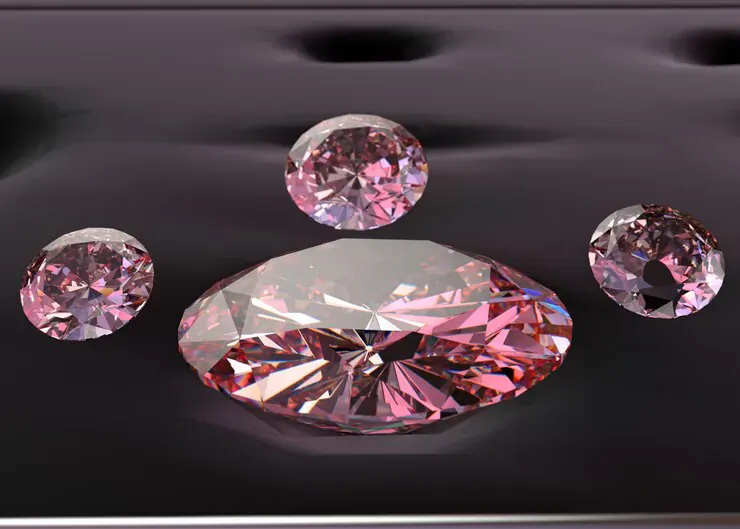
Swarovski crystals are renowned worldwide for their precision-cutting techniques and superior quality. Founded in Austria in 1895 by Daniel Swarovski, the company has perfected the art of crystal manufacturing over more than a century. What sets Swarovski crystals apart is their clarity, brilliance, and consistency in colour. Each crystal undergoes a meticulous cutting and polishing process that enhances its sparkle and light-refracting properties, making it a preferred choice for designers and consumers alike.
Types of Other Crystals
Beyond Swarovski crystals, the market offers a variety of alternatives, each with its own unique characteristics. Cubic zirconia, often used as a diamond substitute, dazzles with its brilliance and affordability. Natural gemstones like diamonds and rubies, prized for their rarity and durability, offer a luxurious touch to jewellery. Rhinestones, made from glass or acrylic, provide a budget-friendly option for adding sparkle to garments and accessories.
Quality and Durability
One of the key factors that distinguish Swarovski crystals is their exceptional quality and durability. Swarovski crystals are crafted to be scratch-resistant and retain their brilliance over time. The precision cutting ensures that each crystal reflects light in a dazzling manner, maintaining its sparkle even with regular wear. In comparison, while natural gemstones like diamonds are known for their hardness and durability, other crystals may vary in terms of their resistance to wear and tear.
Optical Properties
What gives Swarovski crystals their signature sparkle is their precise cutting and high refraction index. This allows them to capture and reflect light with exceptional brilliance, mimicking the fire and brilliance of natural gemstones. In contrast, other crystals may exhibit different optical properties depending on their composition and cutting technique. Cubic zirconia, for example, is prized for its fire and dispersion, which gives it a similar sparkle to diamonds.
Price and Affordability
When it comes to pricing, Swarovski crystals are positioned as a premium product within the crystal market. Their superior quality and precision craftsmanship contribute to their higher cost compared to other crystals. Natural gemstones like diamonds and rubies, with their rarity and intrinsic value, command a higher price range. On the other hand, crystals like cubic zirconia and rhinestones offer more affordable alternatives without compromising too much on sparkle and visual appeal.
Consumer Preferences and Trends
Understanding consumer preferences is crucial when choosing between Swarovski crystals and other options. Swarovski’s reputation for quality and craftsmanship often appeals to those seeking a touch of luxury and sophistication in their accessories. Meanwhile, the affordability and variety offered by other crystals cater to a broader audience looking for stylish options at different price points. Trends in the market reflect a growing appreciation for both premium and budget-friendly crystals, highlighting the diverse preferences among consumers.
How to Know Crystals Are Not Real Swarovski
Are you worried about being sold counterfeit Swarovski crystals? When investing in quality materials, you need to ensure you get the real thing. Your business reputation may be on the line, and you want to keep your customers happy. The good news is that there are ways to avoid fake Swarovski. Let’s take a look at some telltale signs that what you’ve found may not be genuine.
Not an Authorized Partner
Not all suppliers are permitted to sell Swarovski. So, while they might claim to stock it, you need to see evidence. In particular, ensure that the supplier is an authorized distribution partner — a designation granted by the brand to only a select few suppliers worldwide. If the company cannot confirm or provide evidence of this status, it’s best not to buy from them. You won’t be receiving genuine materials.
The Price is Too Low
We all love a bargain, and it’s the duty of all businesses to keep their expenses as low as possible. However, some deals are simply too good to be true. If the price is suspiciously low, the chances are the materials you’re buying aren’t genuine. Swarovski is a brand that always commands a premium for its quality. While buying in bulk can offer savings, you will never find genuine Swarovski at dirt-cheap prices.
Conclusion
In conclusion, choosing between Swarovski crystals and other types of crystals ultimately depends on your priorities and preferences. Swarovski crystals stand out for their superior quality, brilliance, and versatility in design, making them a top choice for designers and consumers who value craftsmanship and elegance. However, other crystals like cubic zirconia and natural gemstones offer compelling alternatives based on factors such as affordability and specific design needs. Whether you’re creating jewellery, embellishing clothing, or decorating your home, understanding the unique qualities of each crystal type ensures that your choice aligns perfectly with your creative vision.