Wine Storage & Temperature Guide
Did you know improper wine storage can ruin even the finest bottle?
Temperature, humidity, and light play critical roles in preserving flavour and aroma.
Dive into this comprehensive guide to protect your collection and enjoy wine at its best.
General Storage Temperature Recommendations by Wine Type
For a simple “catchall” temperature to store any wine, aim for 50–59°F (10–15°C).
However, that’s not taking into account the subtle differences between wine types, so here’s a more detailed breakdown:
1. Sparkling Wines
Ideal Storage Temperature: 45–50°F (7–10°C)
Why: Sparkling wines are delicate, and lower storage temperatures help maintain their effervescence and freshness.
2. White Wines
Light Whites (e.g., Sauvignon Blanc, Pinot Grigio): 48–50°F (9–10°C)
Full-Bodied Whites (e.g., Chardonnay, Viognier): 50–55°F (10–13°C)
Why: These cooler temperatures preserve their acidity and crispness but allow fuller whites to develop nuanced flavours.
3. Rosé Wines
Ideal Storage Temperature: 50–55°F (10–13°C)
Why: Rosés are similar to whites in acidity and lightness, so they benefit from similar storage but tolerate slightly warmer conditions.
4. Red Wines
Light Reds (e.g., Pinot Noir, Gamay): 55°F (13°C)
Full-Bodied Reds (e.g., Cabernet Sauvignon, Syrah): 55–60°F (13–15°C)
Why: Reds develop best at moderate temperatures that prevent excessive chemical reactions while allowing tannins to soften over time.
Why Is There a Range for Storage?
1. Aging Potential
Young Wines (meant to be consumed within a few years) can tolerate slightly higher storage temperatures (up to 59°F or 15°C) without harm.
Aging Wines (designed for long-term cellaring) benefit from the lower end of the range (around 50°F or 10°C), as cooler temperatures slow the chemical reactions that age wine, preserving it longer.
2. Type of Wine
Delicate Wines (e.g., sparkling wines, light whites): These benefit from slightly cooler storage within the range to maintain their freshness and acidity.
Full-Bodied Wines (e.g., reds): These can handle the warmer end of the range without degrading their structure or flavours.
3. Environmental Factors
A small range accommodates real-world conditions, such as minor seasonal temperature fluctuations in a wine cellar or cooler.
4. Practicality
Many wine collectors store a mix of wine types in the same environment. The 50–59°F range works well for most wines, making it a practical compromise.
Storage vs Drinking Temperatures
Long-term wine storage temperatures are not the same as recommended drinking temperatures.
The recommended serving temperature of wine is generally lower than the recommended storage temperature:
| Aspect | Storage Temperature | Serving Temperature |
|---|---|---|
| Goal | Preserve quality long-term | Enhance flavour for drinking |
| Temperature Range | 50–59°F (10–15°C) | Varies by wine type (40–65°F or 4–18°C) |
| Effect on Wine | Slows chemical reactions | Optimises aromas and taste |
1. Wine’s Condition at Storage Temps
At storage temperatures (50–59°F), many wines taste too muted, with flavours and aromas suppressed.
Reds stored at 55°F feel “too cool,” while whites and sparkling wines stored at 59°F may feel “too warm” when served.
2. Practicality
Storage temperatures are designed for long-term stability, not immediate drinking. It’s easier to warm or chill wine for serving than to adjust storage temperatures constantly.
Different wines release their aromas and flavours at specific temperatures. Too cold, and these aromas are muted; too warm, and the alcohol overpowers the subtle flavours.
Serving wines at their ideal temperature balances acidity, tannins, sweetness, and body. For example:
– Reds are served warmer to soften tannins and emphasise their depth.
– Whites and rosés are served cooler to highlight crisp acidity and freshness.
– Sparkling wines are served cold to maintain effervescence and a refreshing profile.
Prioritise Temperature Consistency to Protect Quality
Fluctuations in temperature are an often-overlooked risk. Rapid changes force the liquid to expand and contract, jeopardising seals and exposing the contents to oxygen. Even small variations can degrade both flavour and aroma.
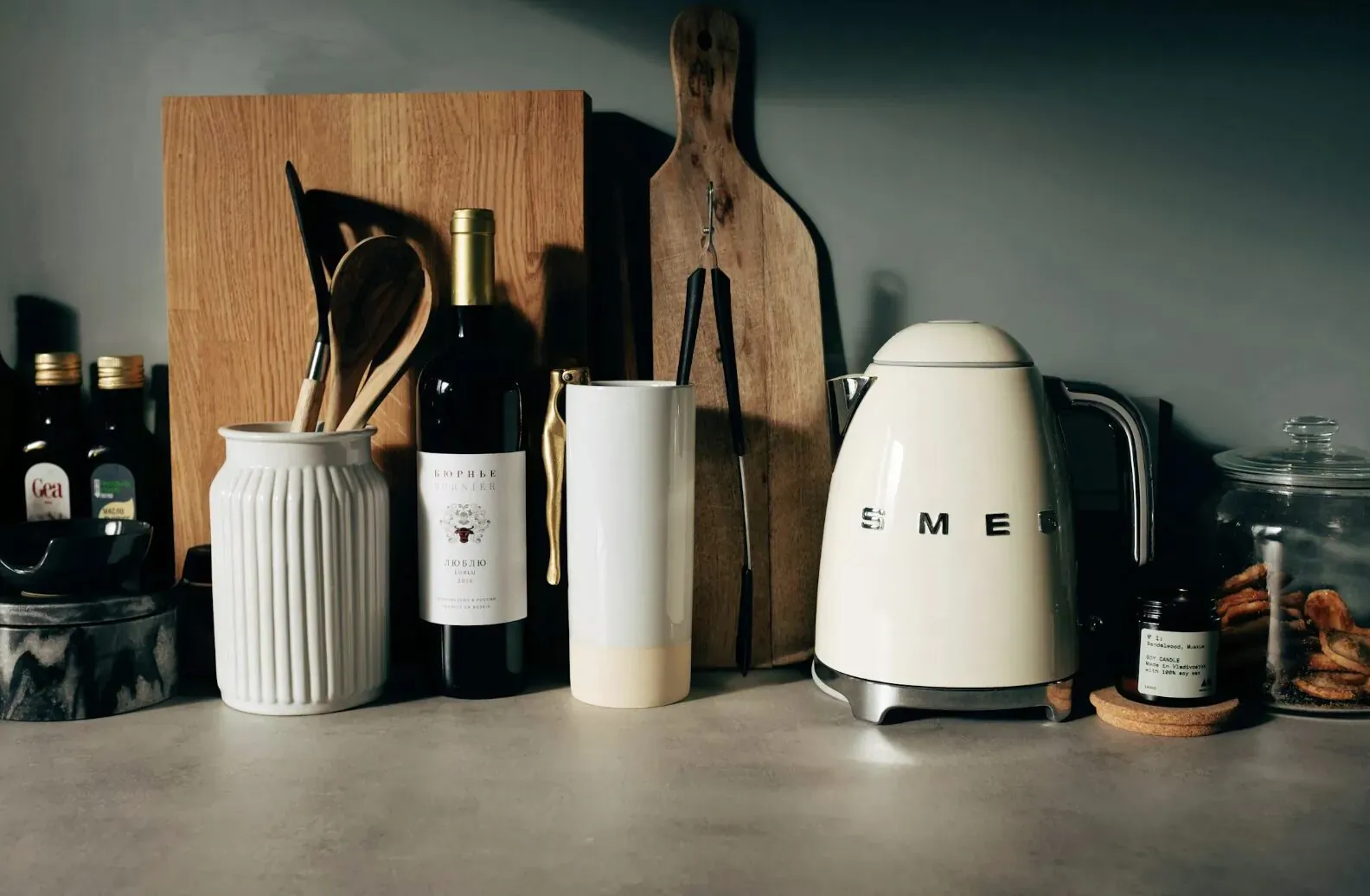
– Avoid unstable areas, such as kitchens or near appliances, where conditions can swing dramatically. Spaces like sunlit pantries or garages are equally problematic.
– Imagine opening a prized vintage Bordeaux only to find it tastes like stewed fruit because it endured sunlit afternoons on a countertop. Minimising variability preserves the subtle intricacies within the bottle.
When a cellar isn’t feasible, consider investing in a wine fridge with thermal stabilisation features. Consistency isn’t merely important for ageing; even short-term storage benefits greatly from steadiness.
Humidity Matters More Than You Think
The right humidity level safeguards cork integrity and label preservation. A dry environment causes corks to dry out and shrink, while excess moisture may result in mould or label damage — both undesirable for collectors and enthusiasts alike.
Aim for a relative humidity of 60% to 70% (source). This sweet spot keeps corks supple and functional. A hygrometer can help monitor levels.
Counteract dry air by using a humidifier or placing a shallow water tray nearby. In overly damp conditions, a dehumidifier can prevent mould growth.
While synthetic closures or screw caps are less vulnerable, proper conditions are still essential. Picture a beautifully labelled Australian Shiraz ruined by mould accumulation — all because the environment was too humid. Such issues detract from both the bottle’s presentation and resale value.
Invest in the Right Fridge or Cellar
Using proper refrigeration techniques ensures wine remains enjoyable and pristine.
From advanced appliances to clever organisational systems, small choices make a big difference.
Specialised fridges: Look for features like dual temperature zones, humidity control, and low-vibration systems to cater to various collections. We recommend using a company like EWS. EWS has a great range of specialised wine fridges, including dual-zone options when you want to store different varieties at different temperatures.
Custom cellars: If you have a custom cellar, you can use a wine cellar cooling unit to maintain a consistent temperature (source). Enthusiasts with expansive collections should explore advanced options with features like shelving for magnums or ambient lighting that minimises heat exposure.
Tracking systems: Apps or handwritten tags help monitor vintages and avoid forgetting bottles nearing their peak drinking windows. For instance, rediscovering a forgotten white Burgundy past its prime could easily be avoided with an inventory system.
Even if your collection is modest, thoughtful tools and planning elevate the wine experience, ensuring each bottle delivers as intended.
Horizontal Storage: More Than a Tradition
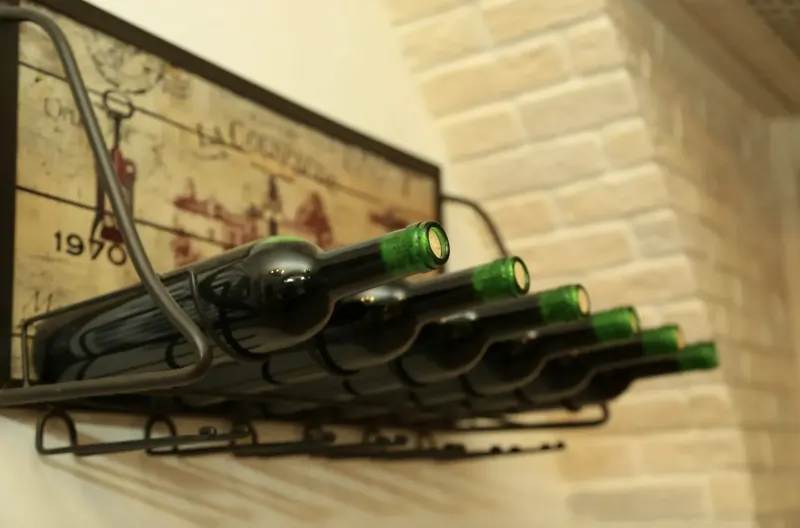
Storing bottles horizontally is about more than saving space. For wines sealed with cork, this method ensures consistent cork hydration, maintaining its seal and safeguarding against unwanted air infiltration.
Position bottles at a slight incline to keep sediment away from the cork when pouring. This orientation also supports clear decanting.
For larger collections, opt for modular racks with individual slots. This prevents vibrations and offers efficient access.
Here’s an insider tip: while sparkling wines with pressurised corks can remain upright temporarily, laying them flat for extended periods ensures longer-term preservation. Thoughtful organisation is both functional and effective.
Light and Vibration: Silent Saboteurs
Exposure to light, particularly UV rays, can degrade a wine’s chemical makeup, diminishing its vibrancy and overall quality. Persistent vibrations disturb the ageing process, preventing sediment from settling naturally.
Protect bottles from direct light by storing them in dark cabinets or behind tinted, UV-filtered glass.
Eliminate vibrations by positioning racks away from appliances like washing machines or dishwashers. Even the subtle tremors caused by nearby speakers can have a cumulative impact. Consider a vintage Burgundy subjected to constant vibrations; its ageing may falter, losing the elegance it’s renowned for.
Simple additions such as blackout curtains in a cellar or vibration-resistant shelves make noticeable improvements, safeguarding the delicate balance within every bottle.
Age with Care to Unlock Full Potential
Ageing wine is both an art and a science. Proper storage allows complex secondary and tertiary flavours to emerge, enhancing the overall drinking experience. However, not every bottle is built for longevity.
Reds like Barolo, Bordeaux, and vintage Ports can develop layers of leather, spice, and dried fruit when aged well.
Whites such as aged Riesling or oak-aged Chardonnay reveal surprising depth, from honeyed sweetness to nutty undertones.
Timing is key. For example, sampling a Brunello di Montalcino too early might highlight harsh tannins, while ageing it appropriately reveals its signature silkiness. A cellar management app or tasting schedule ensures vintages are opened at their peak.
Consider periodic samplings to track a wine’s development. Tasting one bottle from a case every few years allows you to enjoy each vintage at its most expressive stage.
A Space Tailored to Passion
Creating the right environment for wine storage is as much about passion as practicality. Whether safeguarding a sentimental gift or nurturing a rare collector’s item, every step contributes to your enjoyment.
Each time you open a perfectly stored bottle, you savour more than just the wine itself. You celebrate the foresight and care that ensured its journey from vineyard to glass was flawless.