Elevating Personal Beauty by Restoring Hair’s Natural Volume and Strength
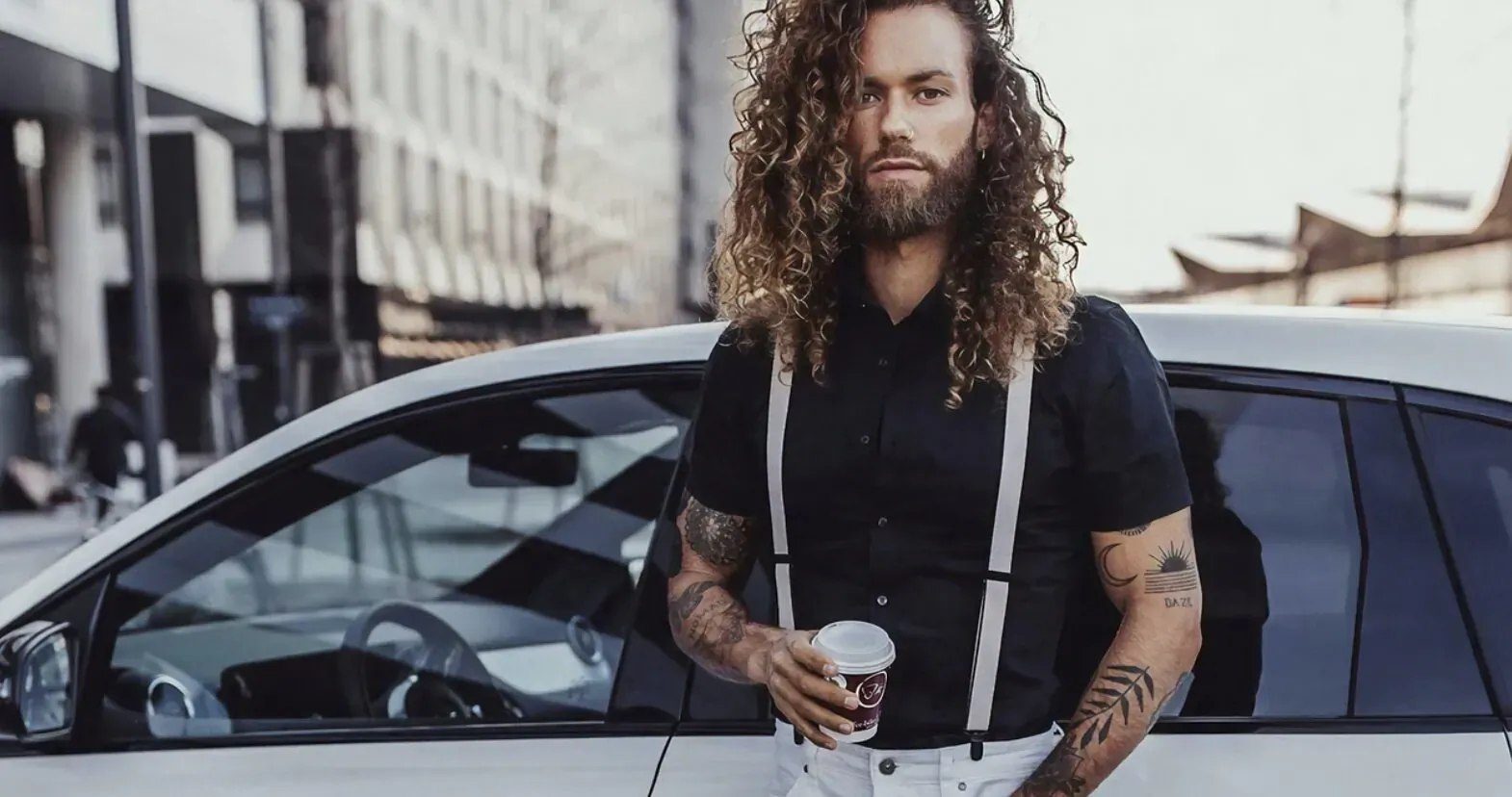
Restoring hair’s natural volume and strength is a priority for many individuals looking to enhance their appearance and confidence. Hair volume not only influences how we look but also impacts self-esteem in meaningful ways. Increasingly, people are recognising that healthy, full hair plays a significant role in their overall sense of beauty and wellbeing.
A full head of hair can project youth and vitality, whereas thinning or damaged hair can lead to insecurity and dissatisfaction. By focusing on restoration techniques, it is possible to reclaim hair’s former quality — turning back the clock on both appearance and confidence.
Understanding Hair Structure and Health
Hair consists of three main layers: the cuticle, cortex, and medulla. The cuticle forms the outer protective layer, while the cortex gives hair its width and strength. The medulla is the innermost layer and plays a lesser role in overall structural integrity. Environmental factors — including pollution, sun exposure, and harsh hair care products — can cause damage by stripping natural oils and weakening these layers.
Healthy hair reflects light and presents a shiny appearance, whereas damaged hair can look dull and brittle. Nutrition plays a key role in maintaining healthy hair. A diet rich in proteins, vitamins, and minerals supports growth and strength. Nutrients such as biotin, vitamin E, and omega fatty acids are known to contribute positively to hair health.
Food sources like eggs, nuts, seeds, and leafy greens help promote vibrant hair by providing the necessary building blocks. Combining a mindful approach to nutrition with proper hair care can yield significant improvements. In cases of severe hair loss or thinning, additional treatment options may be worth exploring. Visiting a local hair transplant clinic can provide personalised solutions tailored to individual needs. Skilled practitioners use advanced techniques to restore hair with natural-looking results, and a professional consultation is the best starting point for understanding which approach suits your specific situation.
Top Hair Care Practices
Implementing effective hair care routines can significantly improve hair health. Regular washing is essential to remove dirt, excess oil, and product buildup — however, washing too frequently can strip natural moisture, leading to dryness and breakage. Finding the right frequency, based on individual hair type, is important.
Conditioning treatments should not be overlooked, as they provide hydration and help repair damage. Using a deep conditioning mask suited to your hair type can strengthen strands and improve manageability. Avoiding excessive heat styling and chemical treatments will further reduce damage and increase resilience.
Protecting hair from environmental stressors is another important aspect of care. Wearing hats or scarves can shield hair from harmful UV rays and pollution — particularly important during outdoor activities or in high-sun environments.
Renewing Hair’s Volume with Treatments
Various treatments can effectively restore hair volume. Hair thickening shampoos and conditioners contain ingredients that create the appearance of fuller hair by coating each strand to add texture and lift roots. While these products provide temporary results, they can significantly impact everyday styling.
For those seeking longer-lasting effects, professional treatments such as keratin smoothing or volumising extensions are worth exploring. These methods improve hair structure or add physical volume, with results that can last for months. Consulting with a professional is key to identifying the best option for individual hair needs.
The Emotional Aspect of Hair Restoration
Hair profoundly affects how a person feels about themselves. Many individuals experience emotional distress associated with hair loss or thinning, and restoring hair can therefore have transformative effects beyond the purely aesthetic. Improvements in appearance can translate directly into improvements in self-esteem and confidence.
Engaging in support networks or speaking with professionals about hair-related concerns can help ease some of the emotional burden. Awareness of the psychological dimension of hair loss is valuable in managing these feelings, and an open dialogue fosters both emotional healing and community support.
Restoring hair’s natural volume and strength is a multi-faceted process — one that encompasses understanding hair health, implementing effective care routines, exploring appropriate treatments, and acknowledging the emotional aspects involved. By investing time and effort in hair care, individuals can reclaim confidence and embrace a radiant appearance that reflects their inner self. Whether through nutrition, professional treatment, or consistent daily care, the steps taken can lead to meaningful and lasting change.