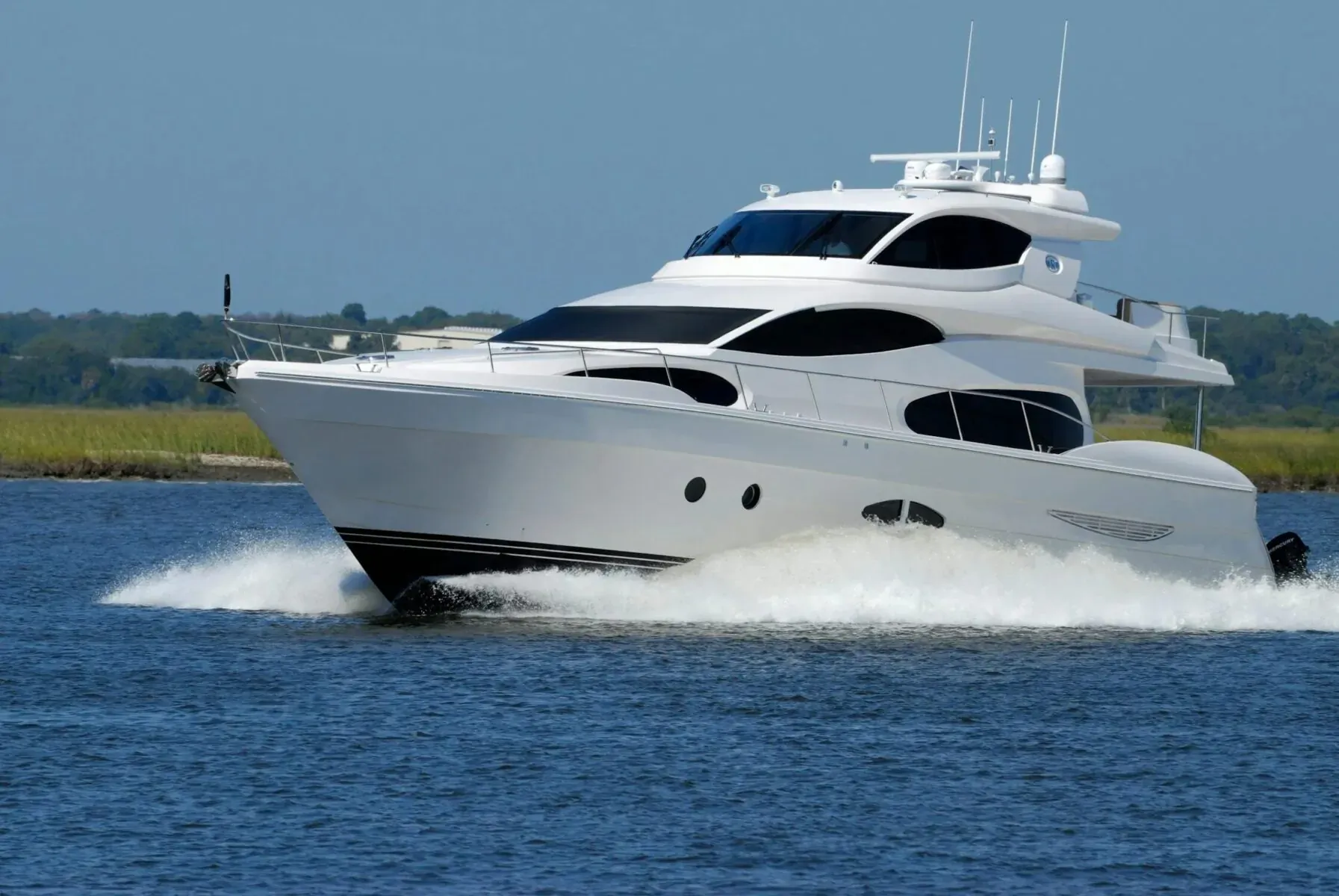
Insider Tips on Yachts for Sale: Here are five insider tips
Searching for yachts for sale? Here are five insider tips that most buyers overlook — from off-market deals to broker red flags that rarely get discussed.
Whether you’re making your first yacht purchase or adding to a growing collection, navigating the market can be more complex than it appears. The following insights will help you make informed decisions and avoid costly mistakes.
Understanding the Yacht Buying Process
Many people assume that buying a yacht simply means browsing listings, picking one, taking it for a test sail, and signing the paperwork. In reality, the world of luxury yachts for sale is considerably more nuanced. Prices often run into the millions, and the sheer range of models and specifications can be overwhelming.
New or Used: Key Considerations
New yachts come with customisation options, manufacturer warranties, and the appeal of zero prior ownership. However, they also carry risks: unforeseen commissioning costs, longer-than-advertised build timelines, and immediate depreciation the moment the vessel moves from the yard. Used yachts, on the other hand, can represent excellent value — provided the condition, service history, and engine hours meet acceptable standards.
5 Insider Tips for Smart Yacht Buyers
1. The Best Yachts Are Sold Before They’re Listed
If you’re relying solely on public listings, you’re already behind. Well-maintained yachts from motivated owners are often marketed to a select network of buyers before appearing on major websites — and these off-market deals tend to carry more reasonable pricing.
2. A ‘Freshly Upgraded’ Yacht Isn’t Always a Good Sign
A yacht with brand new canvas, polished interiors, and updated electronics may look appealing, but heavy cosmetic upgrades mid-sale can be a red flag. In many cases, superficial improvements are made to mask underlying mechanical or structural issues.
3. Investigate the Bilge
If you’re not inspecting the bilge, you’re missing one of the clearest indicators of a yacht’s overall condition. Look for standing oil, suspicious odours, rust, or contaminated water — any of which can signal serious problems beneath the surface.
4. Follow the Maintenance Timeline
Low engine hours are widely seen as a mark of quality, but this assumption can be misleading. A yacht that sits idle for extended periods — particularly in saltwater or humid climates — is often more prone to seal deterioration, fuel system clogging, and corrosion than one used regularly and properly maintained.
5. All Criteria Met? Move Decisively
Once you’ve completed all surveys, inspections, and paperwork — and the servicing history meets your expectations — act without unnecessary delay. The best-condition yachts on the market rarely stay available for long, regardless of the season.
Conclusion
While purchasing a yacht can be a thrilling investment, the process carries real risk without the right knowledge. Following these insider tips will set you on the right track and provide a strong foundation for your next purchase.