Luxuria Magazine Dines At Oui Madame
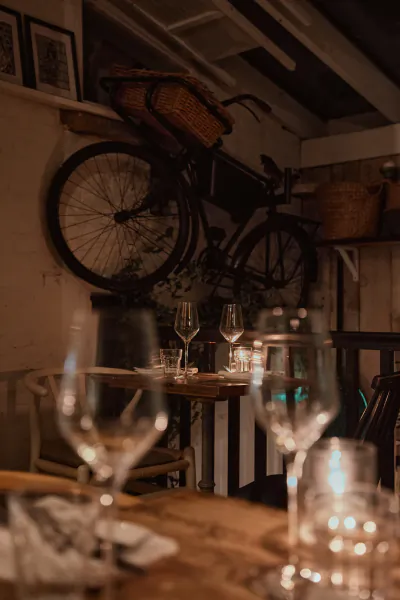
I arrived at Oui Madame already slightly suspicious of my own enthusiasm. It’s never wise to turn up wanting to like somewhere (London has a habit of humbling you), but the soft glow through the windows on St Paul’s Road in Islington, London, had done its work before I’d even stepped inside. Not dramatic, not trying too hard. Just a room that seemed comfortable in itself, which is often a good sign.
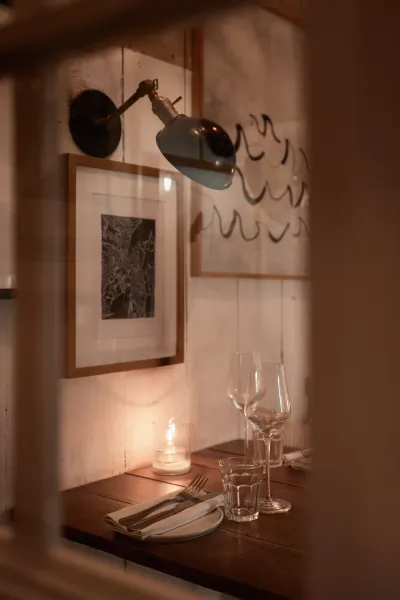
Inside, it is small in the right way. Tables close enough to create a low, collective murmur, candles doing most of the lighting, the sort of soft shadows and gentle hum that settles somewhere behind your shoulders. Coats disappear, chairs are shifted half an inch closer to the table, and suddenly you’re sitting rather than arriving.
It has that particular energy of somewhere that runs on a particular kind of attentiveness. It says simply – order widely, drink well, stay longer than intended.
Very early on, before food, before even deciding properly on wine, there’s a feeling of quiet competence. Not slick, not choreographed. Just people who know what they’re doing. The team put it simply: “the restaurant is built around care – for ingredients, for technique, for timing, and most importantly for people, with the hope that guests feel that everything, from the welcome to how the meal unfolds, is done with intention and generosity”. It sounds obvious, but in practice it is rarer than it should be.
We started with champagne and, as these things tend to go, simply continued.
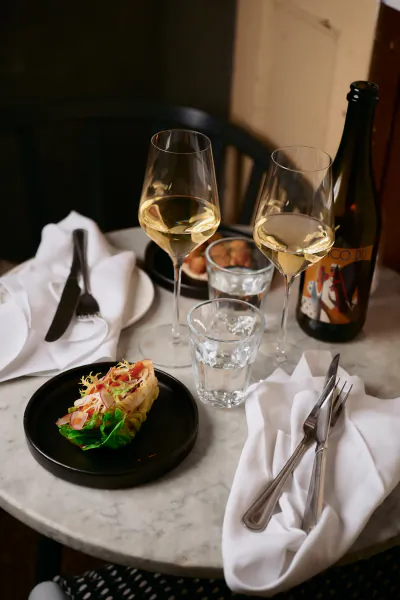
There’s always a moment when you can tell whether bubbles belong in a place or are merely tolerated – Champagne is a good personality test for a room. Here it felt normal – glasses placed without fuss, topped up without interruption, as though ordering champagne on a normal evening was the most reasonable thing in the world. Which, frankly, it is.
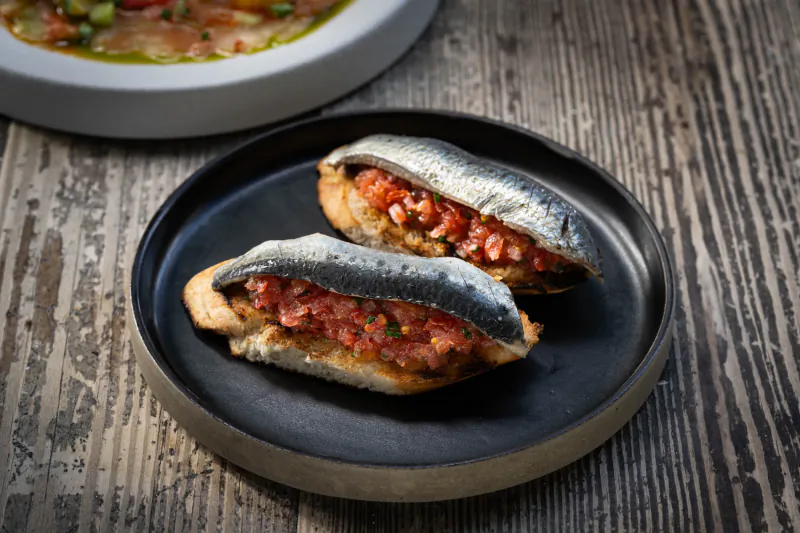
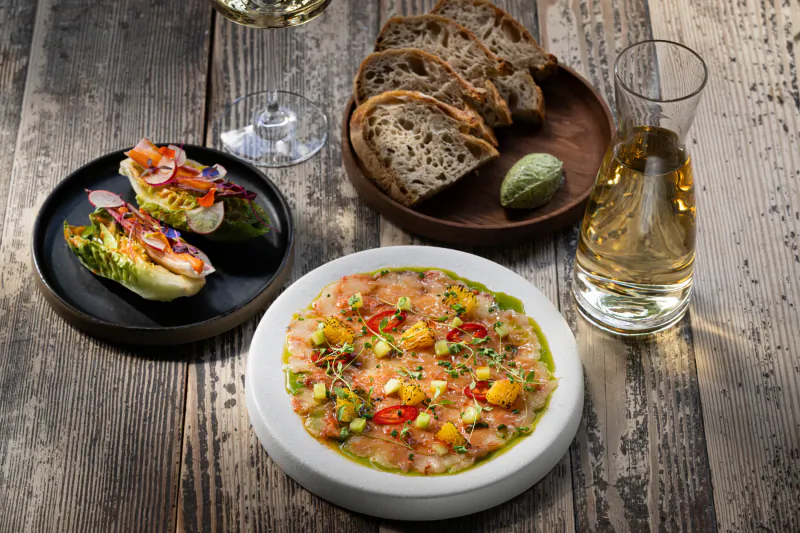
The savoury choux arrived first; still warm, airy, splitting open to reveal something deeply savoury and unapologetically rich. One of those bites that makes conversation pause for a second, then resume with slightly more enthusiasm. The scallops followed, properly coloured, sweet and clean, with nothing unnecessary crowding the plate. Just careful cooking, a light hand, and the confidence not to overthink it.
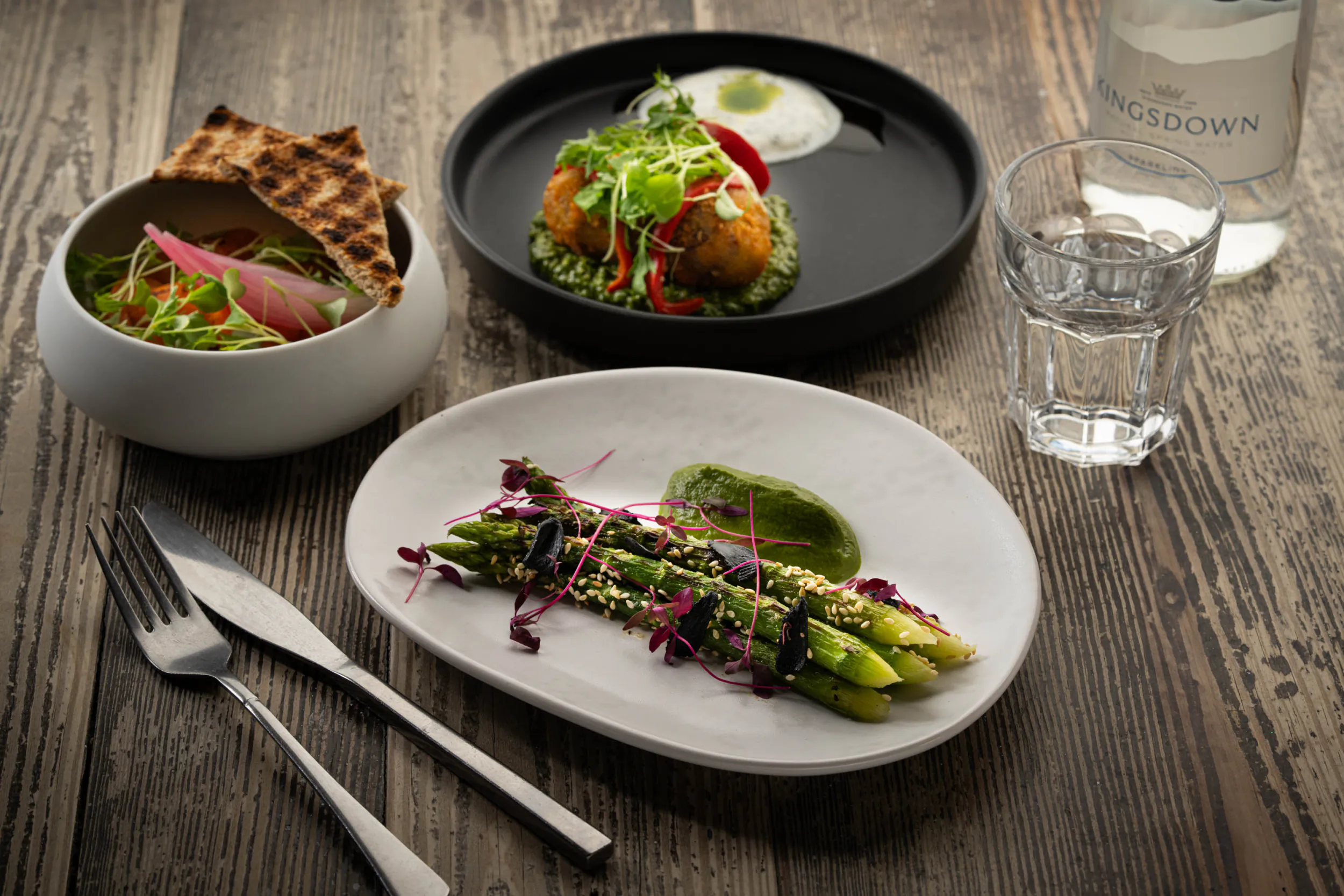
Then the vegetables (and I mean that in the best possible way). Burnt carrot arrived glossy and faintly smoky, its sweetness sharpened just enough to keep things interesting, while beetroot brought depth and earthiness without tipping into heaviness. Between the two of them, they managed to make the table go quiet again, which is always a good sign.
What struck me early on was how nothing arrived in a hurry. Plates slipped in between sentences. Glasses were refilled before I’d clocked they were empty. The staff seemed to possess that rare skill of being everywhere and nowhere at once, the dining room ticking over without anyone being yanked out of conversation to confirm they were enjoying themselves.
When I asked how they describe the cooking, the answer was disarmingly straightforward: “honest, classically grounded, quietly evolving”. It tracks. There is no sense of chasing novelty here, only of refining something that already works.
By then, the room had settled into that easy middle phase of dinner – coats forgotten, voices softer, tables leaning in rather than sitting upright. Our first bottle was long gone, replaced with something suggested in a way that felt more like a conversation than a recommendation.
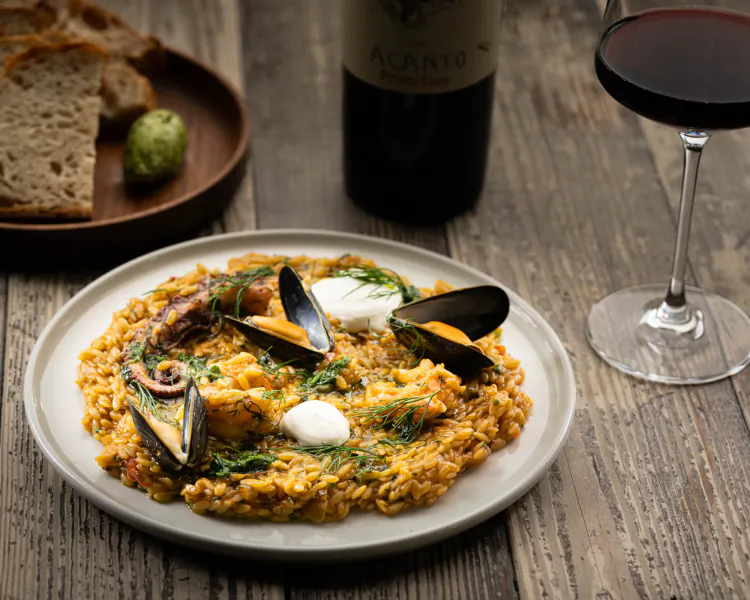
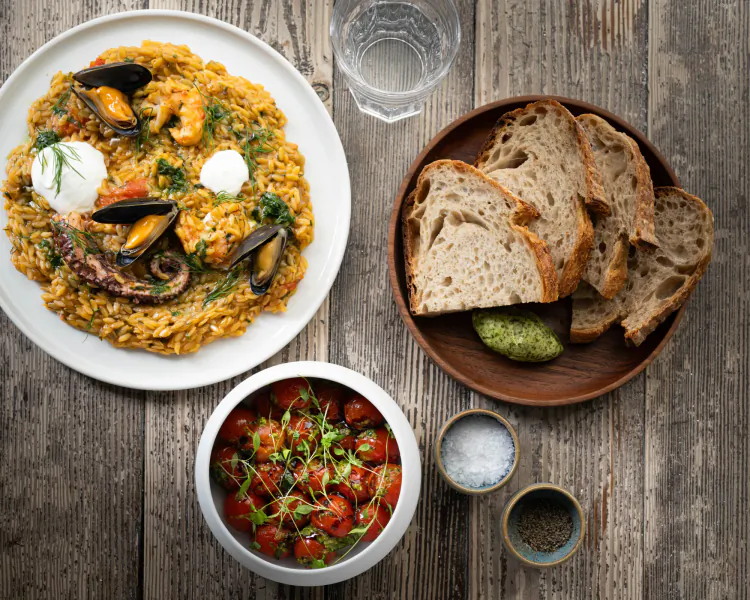
For mains, we did the obvious thing and over-ordered, because restraint is overrated when sharing is encouraged. The orzotto was doing everything a dish like that should: creamy without tipping into gluey, grains holding their shape, flavour built in layers rather than poured on top. It tasted calm, if that makes sense – confident in its seasoning, comfortable in its richness, not trying to impress anyone who wasn’t sitting right there. The aubergine was deeply satisfying in a different way, collapsing at the centre, caramelised edges carrying just enough smoke to keep things interesting. Between the two, we fell into that familiar rhythm of passing plates back and forth without really acknowledging it.
The team mentioned something I kept thinking about while eating: that there’s always a dish on the menu which looks simple but represents what they care about most – good produce, restraint, technique doing its job without drawing attention. It’s a philosophy you can feel rather than see.
What I liked most, though, was the lack of performance. No one explaining flavours unprompted, no sense of trying to guide your reaction. Just the steady pleasure of eating and talking.
Time did what it does in places like this – it stretched a little without anyone noticing. The room filled, softened, shifted. New arrivals slipped in; others lingered. Nobody seemed in a hurry to turn tables, which is perhaps the most luxurious thing of all.
The team confirmed my assumptions that they were very conscious not to open something trend-driven or built for social media. There were no gimmicks, just somewhere people come back to because it feels genuine. You can feel that in the details: letting the meal unfold rather than enforcing order, building a menu that rewards sharing, lighting the room for faces rather than photographs, training a team to read tables instead of reciting scripts, trusting that if you make people comfortable, they will probably drink another bottle and tell their friends.
We looked at dessert seriously (the kind of earnest consideration that suggests real interest) and then admitted defeat. I remember thinking I’d happily have both options if appetite allowed, which is probably the most honest compliment you can give.
Coffee arrived instead, strong and exactly when it should, prolonging the evening just enough.
Before leaving, I asked the team what they hoped people would say on the walk home. The answer was telling: “that guests talk about how relaxed they felt, how well they were looked after — ideally without analysing too much – and simply want to come back”. It is a modest ambition, and perhaps that is precisely why it works.
There is also a quiet thoughtfulness behind the scenes. The team spoke about working with smaller producers who prioritise quality over scale, letting good ingredients guide decisions rather than forcing dishes into fixed ideas; an approach that feels consistent with everything else about the place: attentive, grounded, unforced.
Stepping back outside, the night felt softer than when we’d arrived, as though time had slipped slightly. It’s not something you can manufacture – more the result of a hundred small decisions made well.
I walked away full, content, and already wondering what I’d order next time.
Dessert, for a start.
Written by Emma Blunt for Luxuria Lifestyle International