5 Destinations for Scenic Natural Beauty and Global Culture
Natural scenery often gets attention first, though the atmosphere of a place usually comes from everyday life. A crowded waterfront, an old residential lane, or a small local market can sometimes reveal more about a destination than its famous landmarks. The places below feature strong cultural identity alongside scenic landscapes that influence how people live, travel, and interact with one another every day.
Picturesque Coastal Retreats in Kefalonia
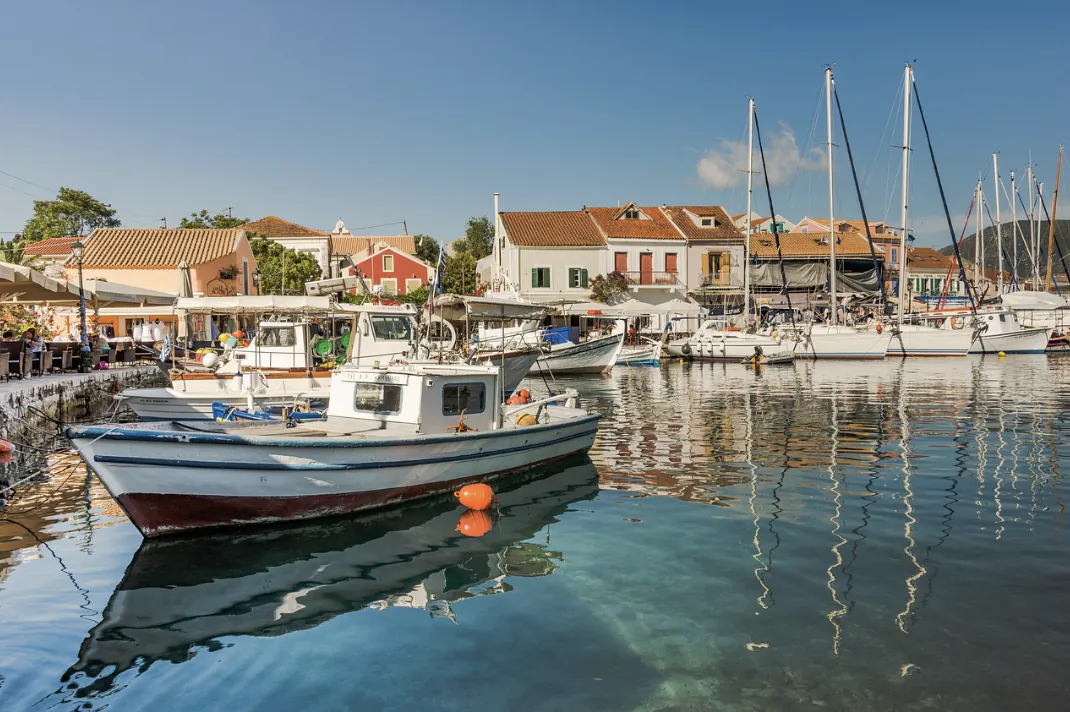
Kefalonia feels noticeably less crowded than several other Greek islands, especially outside the busiest weeks of summer. Around Fiskardo, pastel-coloured buildings face a harbour filled with small sailing boats and local fishing vessels unloading their catch in the morning.
Inland roads pass cypress trees, olive groves, and hillside villages like Assos, where stone houses cluster around a small peninsula below Venetian castle ruins. Myrtos Beach draws most first-time visitors, though many locals prefer quieter stretches near Petani or Antisamos, where the water stays clear enough to see straight to the seabed.
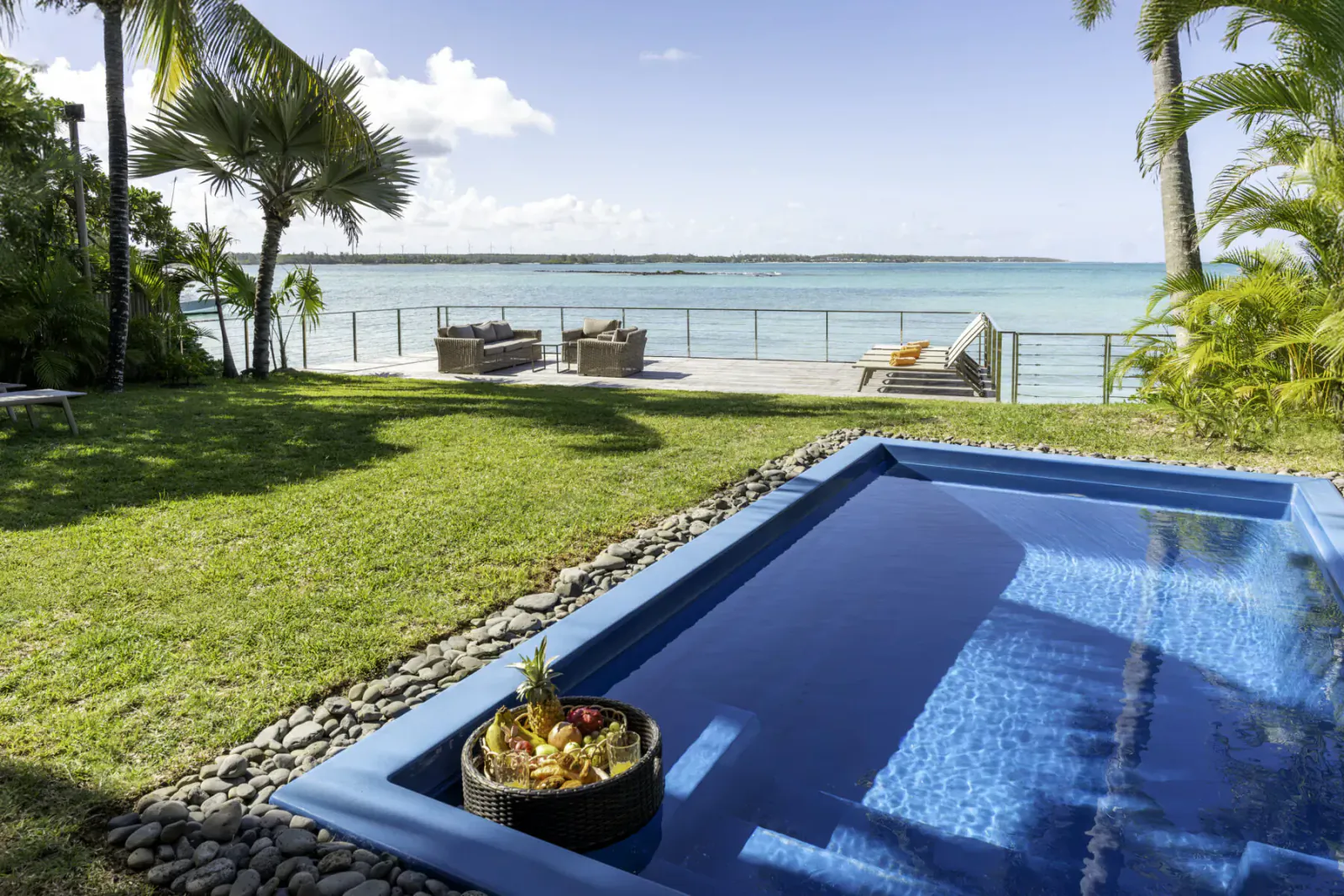
One of the best ways to enjoy Kefalonia villa holidays is to stay near the villages scattered along the island’s western coast, where older stone houses overlook narrow coves and quiet hillside roads. Around Lixouri and the wider Paliki Peninsula, daily life still centres on bakeries, small produce shops, and waterfront gathering spots near the ferry port.
In Argostoli, local markets sell honey, olive oil, and fresh seafood brought in from the Ionian Sea earlier that morning. By summer evening, the area around Lithostroto becomes noticeably livelier as families stroll beside the harbour and loggerhead turtles occasionally surface near the fishing boats along the quay.
Historic Art and Architecture in Florence
Florence carries centuries of history across streets that still function as part of everyday life. Early mornings around Piazza del Duomo usually begin with delivery vans squeezing through narrow lanes while market stalls open near San Lorenzo. The cathedral’s marble façade dominates the skyline from almost every direction in the historic centre. A short walk away, the Ponte Vecchio stays crowded throughout the day with visitors crossing above the Arno River.
Inside the Uffizi Galleries, visitors move through rooms filled with Renaissance works that shaped much of European art history. Nearby, Palazzo Pitti and the Boboli Gardens offer a very different atmosphere with wider open spaces and shaded walking paths overlooking the city.
Across the river in Oltrarno, workshops continue producing leather goods, paper products, and handcrafted items along streets like Via Santo Spirito. Laundry still hangs from apartment windows above old stone buildings, especially in smaller residential lanes closer to Piazza Santo Spirito, where locals gather well into the evening.
Biodiversity and Tropical Rainforests in Costa Rica
Costa Rica’s wildlife becomes noticeable almost immediately outside the larger cities. Around La Fortuna, roadside trees regularly fill with toucans, howler monkeys, and iguanas warming themselves near drainage channels.
The roads leading toward Arenal Volcano pass cattle farms, fruit stands, and small roadside diners serving rice, beans, grilled plantains, and coffee grown nearby. In Mistico Arenal Hanging Bridges Park, visitors walk through a dense rainforest canopy where sloths often remain hidden in the upper branches for hours at a time.
Those planning to go on family holidays in Costa Rica should focus on areas where wildlife, beaches, and rainforest activities are accessible within short driving distances. Manuel Antonio National Park remains popular because monkeys frequently move through public beach areas close to the entrance, while scarlet macaws fly above the coastal forest during quieter mornings.
Along the Caribbean coast near Puerto Viejo de Talamanca, the atmosphere changes completely. Local produce markets sell cacao, bananas, and cassava, while bicycles crowd the roads near Playa Cocles. In Monteverde, cloud forest trails remain damp throughout much of the year, with moss-covered trees surrounding suspension bridges high above the forest floor.
Serene Alpine Landscapes in Switzerland
Switzerland’s landscape changes quickly between regions, especially once trains leave the larger cities and move deeper into the Alps. In Lauterbrunnen, cliffs surround the valley floor with waterfalls dropping directly beside farmhouses and grazing fields. Wooden barns scattered across the hillsides still store hay through the colder months.
Nearby Mürren sits above the valley without road access, and visitors arriving by cable car usually find narrow lanes lined with small hotels, bakeries, and mountain equipment shops facing the Eiger, Mönch, and Jungfrau peaks.
Lucerne offers a completely different setting beside the lake, where covered bridges and painted historic buildings sit within walking distance of the waterfront promenade. Around the old town near Weinmarkt Square, produce vendors and flower stalls continue to sell goods beneath decorated façades that date back centuries.
During warmer months, ferries cross Lake Lucerne throughout the day while hikers head toward nearby mountain routes around Pilatus and Rigi. In smaller alpine towns like Grindelwald or Wengen, daily life still follows seasonal tourism, farming schedules, and changing weather conditions across the mountains.
Traditional Heritage and Gardens in Kyoto
Kyoto still preserves large sections of traditional Japan despite the steady flow of tourism across the city. Early mornings near Higashiyama remain surprisingly quiet as the souvenir shops are still closed and residents cycle through narrow lanes toward work.
Around Sannenzaka and Ninenzaka, wooden buildings house tea shops, craft stores, and family-run businesses beneath tiled rooftops that have changed very little over the decades. Yasaka Shrine becomes especially active during seasonal festivals, with lanterns and food stalls filling nearby streets well into the evening.
The bamboo groves in Arashiyama attract heavy crowds later in the day, though nearby residential streets remain calm with small vegetable gardens and traditional homes tucked behind wooden fences. At Nishiki Market, seafood vendors, pickle stalls, and knife makers continue trading inside the narrow covered arcade that stretches through central Kyoto.
Temple gardens across the city each feel distinct. Moss gardens at Saiho-ji stay heavily shaded and damp throughout the year, and the gravel courtyards at Ryoan-ji remain almost completely silent apart from distant temple bells and passing birds.
Which global wonder will you visit?
These destinations may look completely different on the surface, though they share one thing in common: daily life still feels closely connected to the landscape. Fishing boats return to harbour beneath Kefalonia’s hills, market traders continue working inside Florence’s old streets, and Kyoto’s historic neighbourhoods remain active long after the tour groups leave. In Costa Rica and Switzerland, nature still shapes how people move through everyday life. Those smaller details are usually what travellers remember most once the trip is over.