Guide to 5 Breathtaking Destinations for Croatian Charm and Culture
Croatia covers a surprising amount of variety for a country that can be crossed in a few hours by car. One day might involve limestone streets in Dubrovnik, while another might be beside waterfalls in Plitvice or seafood markets along the Istrian coast. Roman ruins still sit at the centre of daily life in Split, and fishing boats continue unloading catches beside old harbour walls across the Adriatic.
For travellers interested in landscapes, architecture, and places with genuine character, Croatia remains one of Europe’s most rewarding destinations.
Nautical Exploration and Scenic Voyages Along the Adriatic
Croatia’s coastline stretches for more than 1,700 kilometres, though much of the experience happens out on the water between the islands. Ferries move constantly through ports like Split and Dubrovnik, but smaller boats reveal parts of the Adriatic that many visitors never properly see.
Around Hvar, the Pakleni Islands sit just offshore with pine-covered coves and clear swimming areas reached by water taxi. Further north, boats pass quiet fishing villages on Vis where stone houses climb directly above the harbour. Early mornings near the Riva in Split often involve watching crews prepare sailing yachts while market stalls open beside the waterfront.
Many of the best cruises around Croatia follow routes through islands such as Korčula, Mljet, and Brač, where smaller ports allow passengers to step straight into historic waterfront towns without long transfers or crowded terminals. Korčula’s old town still follows its medieval street layout, designed to reduce strong sea winds, while Mljet National Park includes saltwater lakes and walking paths through dense forest.
On longer Adriatic voyages, ships often anchor near smaller bays where swimmers jump directly from the deck into calm water before sunset.
Renaissance Splendour and Historic Stone Streets in Dubrovnik
Dubrovnik’s old town still feels remarkably intact despite the number of visitors moving through its gates each day. Entering through Pile Gate in the early morning is very different from arriving at midday when cruise groups fill Stradun from wall to wall. The polished limestone street reflects sunlight sharply during summer, especially near the Franciscan Monastery and Onofrio’s Fountain.
Fort Lovrijenac stands across the bay near Pile, while Lokrum Island sits directly offshore beyond the harbour. Near Gundulić Square, market stalls sell local lavender, candied orange peel, and bottles of rakija beneath the stone facades of old merchant houses. In the evenings, many residents gather near the Jesuit Staircase or along the small harbour beside Porporela.
Outside the walls, Dubrovnik continues climbing into the hills above the Adriatic. The cable car route toward Mount Srđ shows how dramatically the landscape rises behind the city. Areas like Lapad and Gruž feel more residential, especially around Gruž Market, where fruit vendors and fishermen still supply locals every morning.
Mediterranean Landscapes and Culinary Traditions in Istria
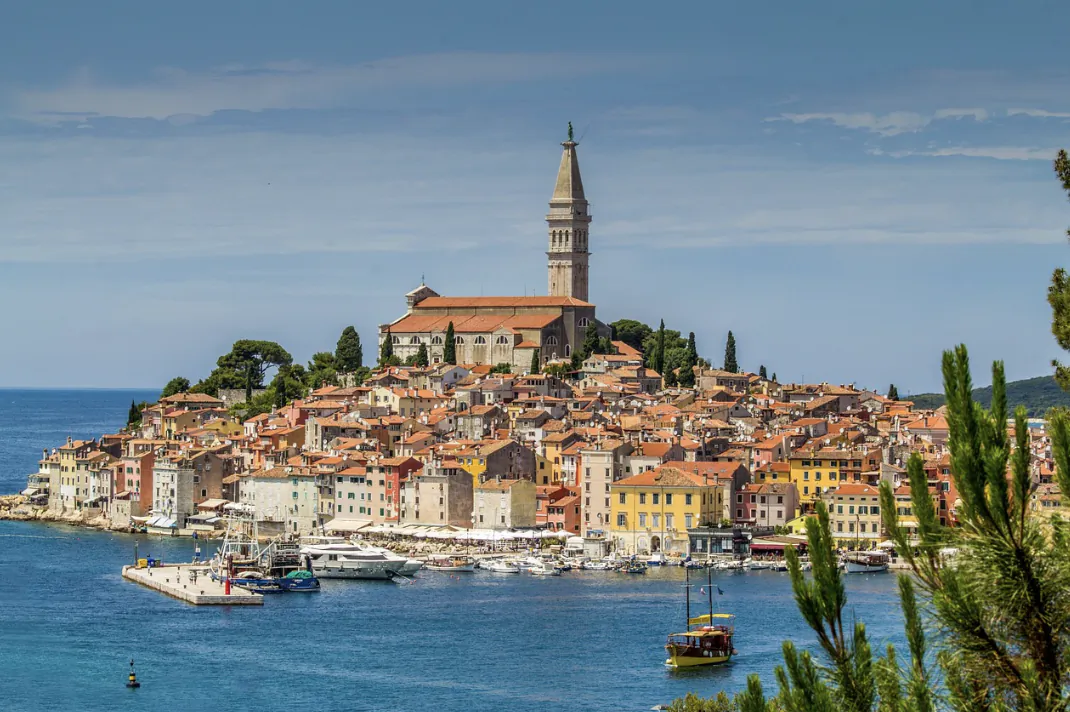
Istria has a noticeably different atmosphere from southern Croatia. Venetian architecture is visible in towns like Rovinj and Poreč, while inland villages sit among vineyards, olive groves, and truffle forests. In Rovinj, narrow streets rise steeply toward St Euphemia’s Church, with washing lines hanging across old stone alleys near Grisia Street. Fishing boats still dock beside the harbour each afternoon, and local markets fill with seasonal produce during warmer months.
A longer stay becomes far more relaxing with Istria villas to rent that offer easy access to beaches, olive farms, and historic towns such as Motovun, Višnjan, and Grožnjan. Staying inland also makes it easier to visit wineries, olive oil producers, and smaller villages spread across central Istria. Roads winding through the Mirna Valley pass truffle-rich woodland where local guides organise seasonal truffle hunts during autumn.
Along the coast, Pula still carries strong Roman influences through landmarks such as the Arena and the Temple of Augustus near Forum Square. Nearby fishing harbours continue to operate throughout the day, particularly around Fažana, where boats depart for Brijuni National Park. Across the peninsula, inland and coastal Istria remain closely connected through food traditions shaped by seafood, olive oil, wine, and seasonal produce.
Cascading Waterfalls and Emerald Lakes in Plitvice
Plitvice Lakes National Park changes noticeably with the seasons and shifting water levels throughout the year. During spring, snowmelt feeds stronger waterfalls, while autumn brings cooler temperatures and quieter forest trails.
The lakes themselves shift from deep green to bright turquoise depending on sunlight and mineral content. In several sections, wooden pathways cross directly above moving water, particularly around the Lower Lakes, where waterfalls crash into narrow limestone canyons.
Most visitors begin near Entrance 1, close to the Great Waterfall, though the upper section of the park often feels calmer once the day progresses. Electric boats crossing Kozjak Lake connect different trail systems through thick woodland filled with beech and fir trees. Wildlife still exists throughout the national park, including deer, lynx, and brown bears, though sightings remain rare. The sound of moving water carries across nearly every section of the reserve.
Small details around Plitvice often stay memorable longer than the larger viewpoints. Moss covering the wooden railings after rain, trout visible beneath the boardwalks, and mist drifting above the lakes during colder mornings all become part of the experience. Villages surrounding the park remain fairly rural, with roadside honey stalls and traditional wooden houses appearing along the approach roads.
Roman Antiquity and Vibrant Waterfront Life in Split
Split feels busier and less polished than Dubrovnik, though that’s part of what makes the city memorable. Daily life moves directly through Diocletian’s Palace, where apartments, bakeries, and small shops operate inside Roman walls nearly 1,700 years old.
The Peristyle remains one of the city’s main gathering points, particularly in the evenings, when locals sit along the stone steps talking beneath the old columns. Around Pjaca Square and Marmont Street, cafés spill onto the pavements while market traders continue selling fruit and vegetables near the eastern gates.
The Riva waterfront stays active from early morning until late at night. Ferries depart for Hvar, Brač, and Vis while fishing boats still use the smaller harbour. Split’s Green Market beside Silver Gate becomes especially crowded before midday with locals buying figs, cherries, olive oil, and fresh herbs. Walking west toward Marjan Hill leads away from the busiest streets into shaded pine paths overlooking the Adriatic.
Which Croatian gem captures your heart?
From the harbour towns along the Adriatic to the forested lakes of Plitvice, Croatia offers far more variety than many visitors expect. Places like Split, Dubrovnik, and Istria all feel distinct once travellers spend time walking their streets, markets, and waterfronts. Choosing which destination to visit can be difficult, especially since each part of the country offers something completely different. Travellers with enough time often find that seeing several regions gives a much fuller picture of this Adriatic gem.