5 Grand Expeditions for the Global Adventurer
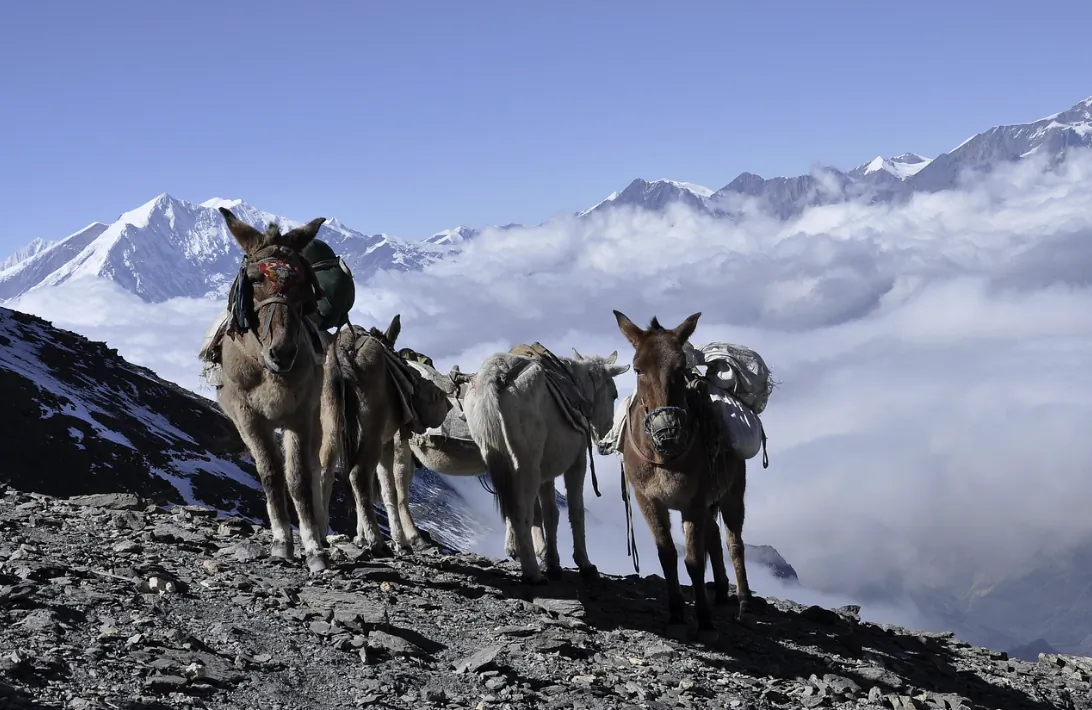
Grand expeditions usually involve more than moving between famous landmarks. They often include difficult weather, unfamiliar terrain, long travel days, and places that still operate much as they have for generations. Some routes pass isolated mountain villages where supplies still arrive by mule train, while others depend entirely on sea ice, tides, flood seasons, or shifting wildlife patterns.
Certain destinations still revolve around old market districts, historic pathways, and traditions that continue shaping daily life. These are journeys people still talk about years later because the experience feels deeply connected to the place itself, not just the attractions listed in a guidebook.
High-Altitude Treks Through the Peaks of Nepal
Nepal’s capital, Kathmandu, usually feels chaotic at first. Around Thamel, trekking shops spill onto the sidewalks beside bakeries, gear repair stalls, and tiny courtyards hidden behind carved wooden doors. Early mornings near Asan Bazaar are filled with vegetable carts, incense smoke, and porters weaving through the crowd carrying enormous loads strapped across their backs. Most trekkers spend at least a day sorting permits and supplies before heading toward Lukla, Pokhara, or the Annapurna region.
Around Namche Bazaar, stone lodges line steep paths overlooking the Dudh Koshi Valley, while farther north, the trail toward Tengboche Monastery passes yak caravans and suspension bridges draped in prayer flags. In the Annapurna region, villages like Ghandruk and Manang still maintain old stone houses and communal courtyards where trekkers gather after their adventures.
Weather changes quickly once trails rise above 4,000 meters. Mornings around Thorong La Pass often start with frozen water bottles and strong winds pushing snow across the trail. Even so, tea houses remain busy during trekking season, especially in October and November when skies stay clearer around Machapuchare and Annapurna South. For those planning to try trekking in Nepal, these higher routes often become the most memorable part of the journey because the landscapes change dramatically from one valley to the next.
Deep-Sea Exploration and Marine Encounters in the Galápagos Islands
The Galápagos rarely feel commercialised in the way many island destinations do. Puerto Ayora on Santa Cruz has fish markets where pelicans crowd beside cleaning tables while sea lions wait for scraps directly under the benches. Along Charles Darwin Avenue, dive operators post handwritten updates of marine sightings every morning, depending on currents and offshore visibility.
Many visitors arrive for wildlife cruises, though the underwater side of the islands tends to leave a stronger impression. Divers near Gordon Rocks often encounter hammerhead sharks moving through volcanic channels in large groups, especially during colder current seasons.
Around Kicker Rock near San Cristóbal, sea turtles drift through narrow rock formations while rays move below in deeper water. Marine iguanas swim surprisingly fast near the shoreline at Tortuga Bay, feeding underwater before climbing back onto the black lava rocks.
On Isabela Island, the roads near Puerto Villamil still cut through lava fields where wild tortoises wander close to roadside wetlands. Small boats heading toward Los Tuneles pass collapsed lava arches filled with nesting blue-footed boobies and shallow channels crowded with reef sharks.
Polar Expeditions and Glacial Navigation in Antarctica
Most Antarctica expeditions begin in Ushuaia, where expedition ships line the docks beside supply vessels along Avenida Maipú before crossing the Drake Passage. The crossing itself usually becomes part of the experience, and for many travellers, the Antarctica cruise experience starts long before the first iceberg appears. Some passengers spend two days watching albatrosses glide behind the ship while waves crash across the outer decks. Others barely leave their cabins until calmer water appears near the South Shetland Islands.
Daily Zodiac landings usually take place around locations like Neko Harbour, Cuverville Island, and Paradise Bay, where passengers walk carefully across snowfields crowded with penguin colonies. Expedition crews often adjust landing points, depending on ice movement and weather conditions, since glaciers regularly block smaller bays without warning. Around the Lemaire Channel, towering cliffs and drifting icebergs can narrow the passage enough for ships to slow almost completely.
Wildlife sightings change throughout the season. Humpback whales appear more frequently later in the summer near Wilhelmina Bay, while leopard seals often patrol the edges of floating ice close to penguin colonies. Even on brighter days, temperatures are cold enough for camera batteries to drain quickly after several hours outside.
Aerial Safaris Above the Vast Savannas of Botswana
Botswana looks completely different from the air. Small aircraft flying out of Maun cross enormous stretches of dry grassland before reaching the floodplains of the Okavango Delta, where channels spread across the landscape in irregular patterns that change every year with seasonal water levels. Window seats usually fill quickly on these flights for obvious reasons.
Airstrips across the delta are often simple dirt runways with little more than a shaded shelter nearby. From there, guides head into the bush through mopane woodland and shallow floodplains where elephants move between islands during the afternoon heat. Around Chief’s Island, wildlife sightings remain consistent throughout much of the dry season, especially near lagoons where buffalo, giraffes, and antelope gather close to the water.
The Savuti region feels harsher and dustier, particularly during late winter when dry riverbeds attract predators. Lions frequently rest near the Savuti Channel, while hyenas circle the edges of the plains after sunset. In the Moremi Game Reserve, mokoro trips through narrow reed channels often reveal smaller details people miss during game drives, including tiny frogs clinging to papyrus stems and fish eagles perched above the water.
Cultural Immersion and Ancient Pathfinding in Kyoto, Japan
Kyoto still carries traces of older Japan, especially in neighbourhoods beyond the station district. In Gion, narrow lanes like Hanamikoji Street remain lined with wooden machiya townhouses where paper lanterns glow outside sliding doors after dark. Early mornings around Yasaka Shrine are noticeably quieter before tour groups begin arriving, particularly in spring and autumn.
Nishiki Market stretches across several covered blocks filled with pickled vegetables, grilled seafood skewers, tea shops, and traditional kitchenware stalls. Nearby alleys around Pontocho become busy later in the evening as locals gather along the Kamogawa River embankment. In the Higashiyama district, stone stairways leading toward Kiyomizu-dera pass old ceramic shops and small family-run craft stores that have operated there for decades.
Northern Kyoto feels calmer once visitors reach areas near Kurama and Kibune. Forest trails between the two villages pass cedar groves, hillside shrines, and small streams running beside the footpath. Around Fushimi, sake breweries still line sections of the canal district where wooden storehouses reflect across the water during the late afternoon.
Which grand expedition will you choose?
Grand expeditions often involve uncertainty, long distances, changing weather conditions, and places where nature dictates much of the experience. That’s part of what makes them memorable.
One traveller may come back talking about glaciers and wildlife sightings, while another remembers mountain villages, floodplains, or quiet streets hidden behind crowded city districts. Every destination above offers a completely different type of adventure, though none of them feels disconnected from the place itself.