Frizz Is the Enemy of Every Luxury Getaway
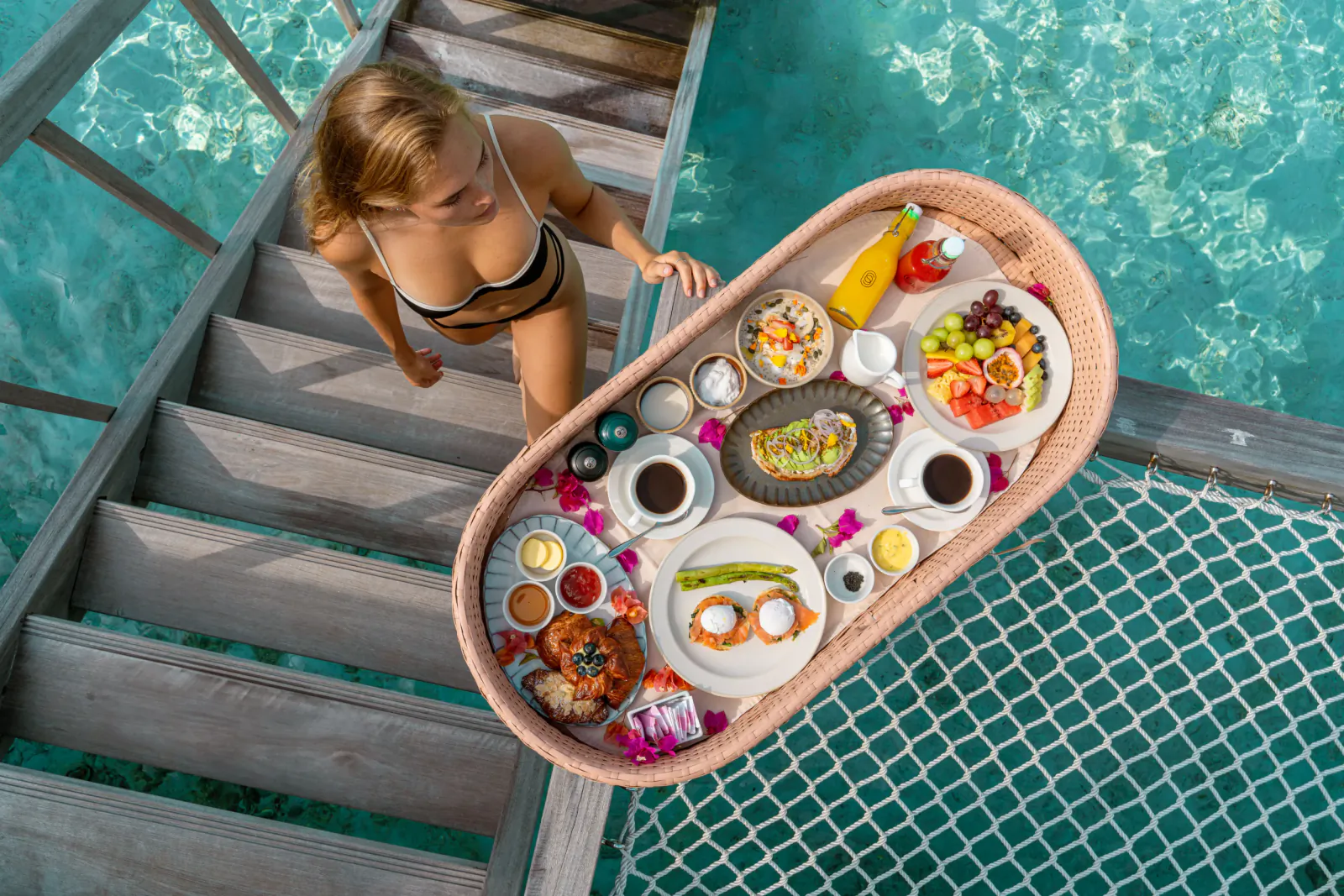
Slipping away to a sun-drenched Caribbean island or a private coastal villa sounds like the ultimate escape until the morning you step out onto the terrace and feel your carefully styled hair respond to the humidity with alarming speed.
For travellers accustomed to seamless elegance, few irritations rival the way tropical weather transforms polished beauty routines into daily battles.
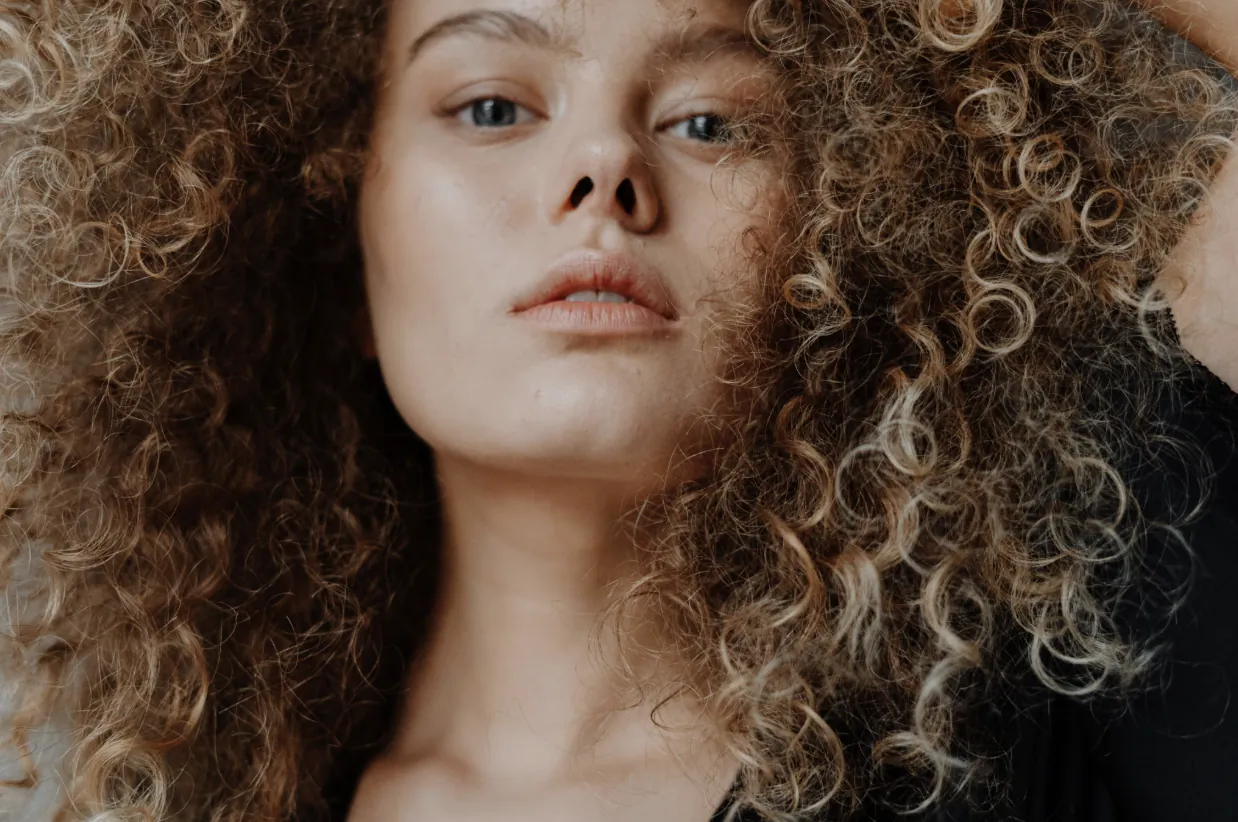
High humidity causes hair to absorb moisture from the air, leading to frizz and unruliness, and that struggle defines the grooming experience for many discerning guests in the world’s most exclusive resorts.
The phenomenon frustrates even the most prepared travellers. You can pack the finest wardrobe, book the best suite, and plan every detail to perfection, but environmental conditions don’t pause for luxury.
When moisture in the air enters the hair shaft, hydrogen bonds within the hair temporarily break and reform, causing the hair fibre to swell and resulting in frizz, puffiness, and loss of smoothness. This process unfolds regardless of budget or destination, and it leaves travellers searching for solutions that blend effortlessly into their routines.
The Science Behind the Struggle
Understanding why frizz appears helps travellers prepare more effectively.
The mechanical properties of hair fibres depend on time, temperature and humidity, a combination that becomes particularly challenging in resort destinations where all three variables shift constantly. Stepping from an air-conditioned interior to a humid poolside setting triggers immediate structural changes in each strand.
Hair water regain increases linearly with an increase in relative humidity in the range of 40-85%, which explains why even moderately humid destinations present challenges.
The effect intensifies in tropical regions, where the best destinations for a luxury retreat often feature the same climates that trigger the most dramatic hair responses. Colour-treated or chemically processed hair proves even more vulnerable because damaged cuticles allow moisture penetration more readily.
Managing Hair During High-End Travel
Smart travellers build protective strategies into their packing lists well before departure. Many high-performing formulas work by creating barriers against environmental moisture, and leave-in conditioner for frizzy hair offers one of the most practical solutions for travellers who want lightweight protection without salon visits.
Products formulated with heat protection and humidity resistance, such as Davines leave-in conditioners for frizzy hair, provide up to 72 hours of frizz control under high-humidity conditions while offering heat protection up to 446°F.
The combination of high humidity, intense sun, and salty sea breezes can strip hair of its natural moisture, leading to dryness and brittleness, making multi-functional products essential for beach destinations.
Travellers visiting coastal properties should prioritise formulas that address both moisture loss from sun exposure and excess absorption from humid air. Many luxury travellers also incorporate silk pillowcases and protective hairstyles into their routines, recognising that proactive care reduces daily styling time.
Resort spas recognise these concerns and tailor their menus accordingly. Keratin treatments and deep conditioning services have become standard offerings at properties in humid climates, providing temporary structural reinforcement that extends style longevity.
Some travellers schedule these treatments immediately upon arrival, treating them as essential preparation rather than indulgent extras.
Climate-Specific Strategies for Different Destinations
Not all luxury getaways present the same environmental challenges.
You can have 90% humidity in 35°F weather, and your hair might be fine, but 60% humidity in 70°F weather can lead to frizz because warmer air holds more water vapour. This distinction matters when planning itineraries that span multiple climates or seasons. A European summer itinerary demands different products than a winter escape to Southeast Asia, even if both destinations feature high humidity readings.
Dew point often proves more predictive than relative humidity for travellers assessing frizz risk.
When dew points climb above 65°F, most hair types experience noticeable changes in texture and manageability. Checking this metric before departure helps travellers gauge which protective products to prioritise and whether professional treatments justify their cost. Many weather apps now include dew point data alongside standard forecasts, making this information readily accessible during trip planning.
Research also highlights how air pollution impacts hair health, another factor affecting travellers in urban luxury destinations. Cities with high pollution levels present dual challenges, as particulates deposit on the scalp while humidity disrupts hair structure.
Travellers visiting metropolitan areas should consider clarifying treatments that remove buildup without stripping protective moisture. Properties in cities like Singapore, Miami, or Dubai stock product lines addressing both concerns, recognising that modern luxury travel spans diverse environmental contexts.
Redefining Travel Beauty Standards
The conversation around travel beauty continues evolving as travellers prioritise authenticity over rigid perfection.
Some guests embrace textured styles that work with rather than against their natural hair patterns, viewing this approach as both practical and aesthetically appealing. Others maintain their preference for sleek styles but adjust expectations, accepting that humid climates require more frequent touch-ups or simplified routines.
This shift reflects broader changes in how affluent travellers define luxury itself. The emphasis has moved from maintaining flawless appearances at all costs toward finding solutions that feel effortless and sustainable.
Products that deliver results without demanding extensive application rituals appeal to travellers who value their vacation time and refuse to spend hours battling environmental conditions. The goal becomes managing frizz efficiently rather than eliminating every strand out of place, a philosophy that aligns with contemporary wellness approaches emphasising balance over perfection.
Ultimately, frizz remains an unwelcome companion on many luxury getaways, but understanding its causes and having effective management strategies transforms it from a trip-defining frustration into a manageable inconvenience.
Travellers armed with the right products, realistic expectations, and climate-specific knowledge can focus on the experiences that drew them to these destinations in the first place. The battle against humidity never fully ends, but with proper preparation, it need not dominate the travel experience.