Garden Spaces Designed for Modern Lifestyles
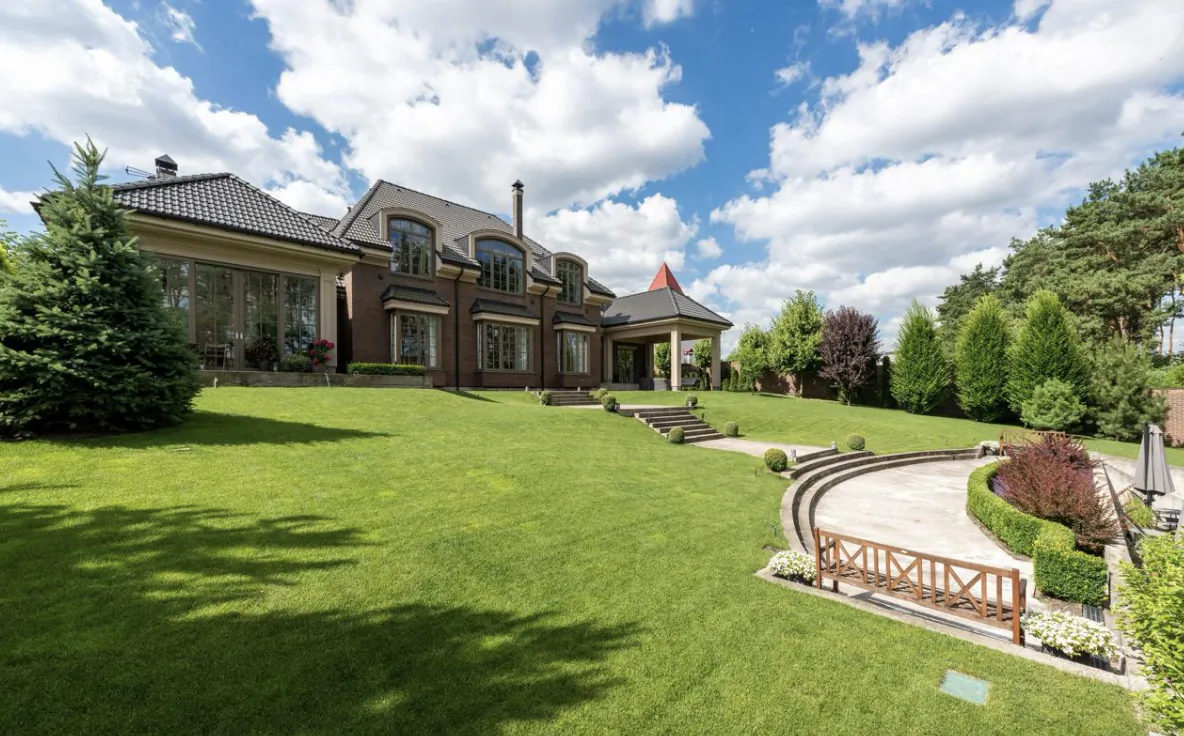
Homeowners want more from home these days. A place to work, to relax, to entertain, to actually spend time with family. So the garden has stopped being an afterthought. It’s become just as important as the main house. Done well, an outdoor space isn’t just decoration. It’s usable square footage. It changes how you experience the property, and it makes the small, everyday routines feel that much easier.
The real difference is planning. Not scattering nice plants and a few chairs around and calling it done, but thinking of the garden as a set of spaces, each one built around something you actually need.
Why Outdoor Space Has Become a Luxury Asset
A big garden has always been nice to have. But size on its own isn’t the point anymore. What matters is what the space lets you do.
Privacy is a big part of this. Planting, screening, a well-placed fence, even just turning a seating area away from the kitchen window. All of it adds up in creating that sense of privacy. Somewhere for a cup of coffee, tucked away from whatever’s going on in the rest of the house.
The outdoor space can be more than that. A terrace, properly planned, becomes a dining room during summer. Adding a garden building gives you somewhere to work, or paint, or do whatever your hobby happens to be. Entertaining gets easier too, once there’s an actual spot built for cooking and gathering rather than a folding table dragged out for the occasion. And then there’s the quieter benefit. Your improved wellbeing thanks to the daylight, air, and a bit of green somewhere in your line of sight throughout the day. That counts for something.
The Rise of Purpose-Built Garden Spaces
More and more, garden design means building something with intention. A garden office, for instance, keeps work out of the spare bedroom entirely. And it doesn’t have to stay an office forever. Next year it might be an art studio. Or a gym. Whatever the moment calls for.
Wellness spaces fit naturally into this too. Depending on how much room there is and what you’re actually chasing, that might mean a calm corner for yoga or meditation, or something built around recovery after a demanding week. A barrel sauna gives you a simple dedicated relaxation feature. A modern outdoor sauna, meanwhile, tends to sit more comfortably within a sleeker, more contemporary garden scheme.
The best luxury gardens balance three things. How they look, how they function, and how long they last. They give you more than a nice view from the kitchen window. They give you real space for working, having people over, or just recharging.
A thoughtfully built garden building can become genuinely central to all of that. Get the architecture right, the materials right, the comfort and the purpose right, and outdoor living starts feeling like a true luxury.
Entertainment spaces and guest rooms belong in the same conversation, provided there’s a little foresight behind the design. A garden room might function as a games room this year and become a guest space the next, because life has a habit of changing. That adaptability is really the entire point of building this way. A structure that can flex with changing needs tends to last a lot longer than one built around a single, narrow purpose.
Scandinavian Design and the Appeal of Natural Materials
For people chasing a subtle luxury, Scandinavian-inspired designs are a great option. Clean lines. Simple forms. Detailing that knows when to stop. The architecture and the landscape end up looking connected, rather than competing for attention.
Timber is really what holds this look together. It brings warmth into spaces that might otherwise lean too hard on stone, concrete, glass, or metal. Wood softens all of that. It eases the transition between house and landscape instead of making it feel forced.
None of this means turning the entire garden minimalist. It’s more about knowing exactly where restraint pays off.
Designing an Outdoor Space That Feels Like Part of the Home
The best outdoor spaces feel like they were intentional from the start. So start with the house itself. Clean, contemporary lines on the main building? Echo those same proportions and materials outside, and the whole property appears as one connected thing.
Windows deserve more thought too. Yes, they let in light, but their real job in a garden building is pulling the view inward. Position them around something actually worth looking at, a particular tree, a bed of planting, the sightline running down the garden, instead of just maximising glass because more glass seemed like the obvious win.
Flooring matters just as much. Matching materials, colours, or textures between the inside and the space just beyond it makes the whole thing feel like one continuous area rather than two separate rooms that happen to share a doorway. Warm, well-placed lighting along paths, plants, and seating areas also draws attention to the garden’s best features without turning the whole space into a floodlit stage.
And landscaping ties the rest together. Planting, pathways, privacy, how people naturally move from one spot to the next. A genuinely luxurious garden feels easy. Not crowded, not overthought.
Luxury Is Increasingly About Year-Round Usability
Here’s the thing about a beautiful garden building: it’s only worth half as much if you can only use it half the year. Real flexibility means year-round comfort gets built in from the start.
Good insulation helps reduce unwanted heat loss and makes it easier to maintain a comfortable indoor temperature. Heating needs to match the size and purpose of the room, and ventilation matters just as much, quietly managing air and moisture in the background.
Big windows positioned well for natural light are great at making a small room feel bigger. But don’t stop there. You’ll still need proper artificial lighting for the darker months, when the view outside isn’t pulling any weight.
And then materials. Choose ones built for how exposed the space actually is, timber included. Proper protection and consistent upkeep stretch their lifespan considerably.
None of this is the fun part of the project, admittedly. Nobody gets excited discussing drainage or sealants, but it’s often the real difference between a space people actually use year-round and one that slowly turns into expensive storage.
Investing in Quality Rather Than Following Short-Lived Trends
Chasing whatever’s trending this season isn’t really what luxury outdoor design is about. It’s about building something that still feels practical in ten years.
So pick durable materials suited to your actual climate. Keep the architecture itself fairly timeless. Let the personality come through in the furniture, the plants, and the smaller details that are easy to change later if your taste shifts.
Maintenance is also worth thinking through before you build, not after the fact. A stunning garden room that demands constant attention turns into a chore. Solid construction, sensible materials, proper drainage, and a bit of regular upkeep protect both how it looks and how much use you actually get out of it.
And above all, build around how you actually live. Work from home most days? Make the workspace the priority. Weekends built around family and friends? Put the effort into the space where people gather.
Conclusion