A Guide to Exclusive Luxury Escapes Across Southern Europe
Southern Europe gives travellers access to historic estates, regional food and wine traditions, and coastlines best explored away from the main resort centres. Across Italy, Greece, Portugal, Spain and France, private guides and carefully planned transfers make remote estates, coastal routes and rural properties easier to reach. These might include family-run wine estates, secluded walking routes, archaeological sites and restored rural properties.
Choosing the right arrangements matters as much as selecting the destination. A private driver can connect remote estates without complicated transfers, while a specialist local guide can provide context that a standard group tour may miss. This guide covers five Southern European escapes, with details on estate visits, coastal routes, cultural experiences and private accommodation suited to a privately arranged journey.
Touring Historic Estates and Vineyards in Tuscany, Italy
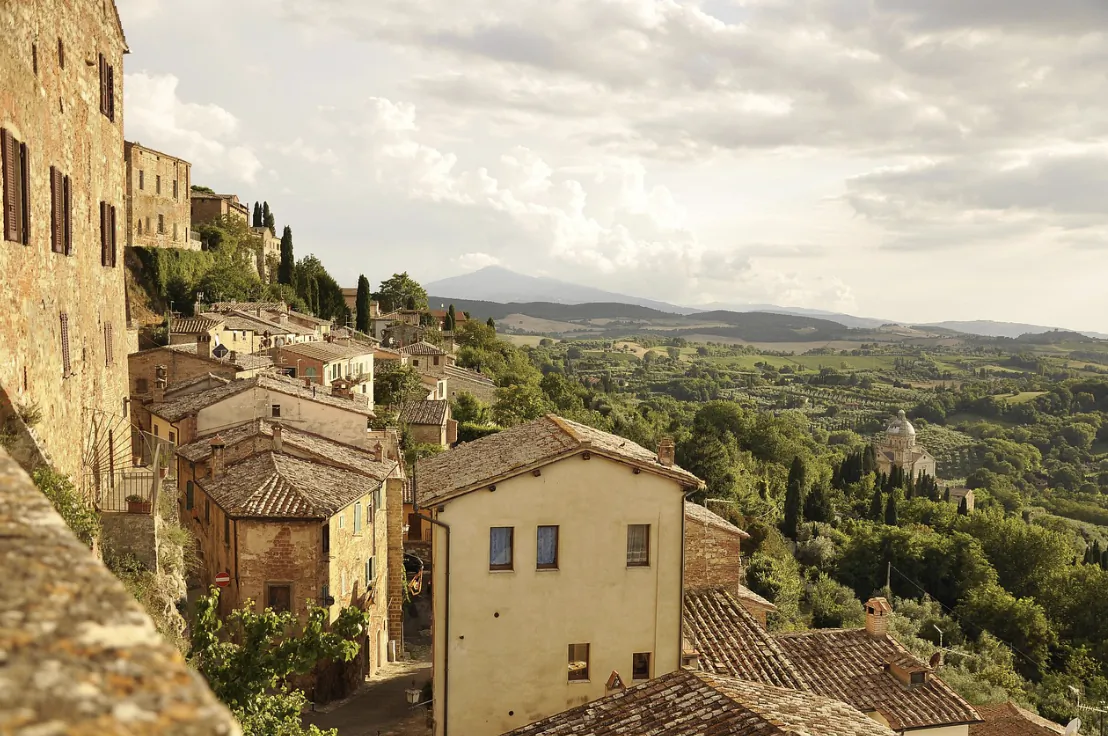
Tuscany’s winemaking regions provide considerable variety for wine enthusiasts, particularly across Chianti Classico and the coastal vineyards of Bolgheri. In Montalcino, wine estates surround the medieval hill town and its 14th-century fortress. Producers make Brunello di Montalcino entirely from Sangiovese grapes, with private visits covering the ageing process and differences between individual vintages. Some historic estates also display contemporary art alongside their traditional fermentation cellars.
Farther west, near the Tyrrhenian coast, Bolgheri is known for “Super Tuscan” wines made with international grape varieties, including Cabernet Sauvignon and Cabernet Franc. Private tastings near the cypress-lined Viale dei Cipressi can include appointments with an estate’s winemaker or sommelier. When guided trips to Italy include Tuscany, specialist planners can coordinate cellar visits in Montalcino, Bolgheri and Greve in Chianti, along with private transport between estates.
A private driver is more practical than relying on limited rural transport when travelling between scattered vineyards and hill towns. Restored farmhouses in the Val d’Orcia provide private accommodation, and some have infinity pools overlooking the surrounding countryside. Private chefs can prepare Tuscan dinners using extra virgin olive oil, regional wines and seasonal ingredients such as white truffles in autumn.
Relaxing Along the Coastal Cliffs of Santorini, Greece
Santorini’s volcanic caldera has created cliffs along the island’s western coast, with its northern villages providing secluded locations for private suites. Imerovigli occupies one of the highest points along the caldera rim, where boutique cave suites carved into volcanic rock can include private plunge pools and terraces. The village also sits on the roughly 10-kilometre hiking route between Fira and Oia, allowing travellers to join the trail without starting in the island’s capital.
Private catamaran charters depart from Ammoudi or Vlychada. Those leaving from the island’s southern coast can pass Red Beach and White Beach before entering the caldera. Onboard meals can feature grilled seafood with Assyrtiko wine, made from vines trained into low, woven baskets that protect the grapes from strong winds.
A privately guided visit to the Bronze Age settlement of Akrotiri reveals multi-storey buildings, paved streets and an advanced drainage system. Many frescoes recovered during excavations are displayed at the Museum of Prehistoric Thera in Fira. Private tastings can also be arranged at wineries near Pyrgos, where visitors can sample dry Assyrtiko and sweet Vinsanto in cellars carved into volcanic rock.
Discovering Coastal Trails and Historic Streets in Lisbon, Portugal
Lisbon’s historic neighbourhoods sit within easy reach of cycling and walking routes along the Tagus and Atlantic coasts. In Alfama and Chiado, tiled façades, stone stairways and small fado houses reflect different periods of the city’s development. Farther west along the river, Belém contains two prominent examples of Manueline architecture: Jerónimos Monastery and Belém Tower.
Active travellers can follow cycling routes from Cascais towards Praia do Guincho and the edge of Sintra-Cascais Natural Park. Among the routes covered by e-bike tours in Portugal are Lisbon’s hillier districts, where pedal assistance is particularly useful on longer climbs. Cobbled surfaces, tram tracks and pedestrian traffic still require careful handling, making local route knowledge valuable.
Lisbon’s fine-dining restaurants draw heavily on Atlantic seafood, with tasting menus featuring ingredients like scarlet prawns and salt cod. A private day trip to Sintra can include timed admission to the 19th-century Pena Palace and Quinta da Regaleira’s Initiation Well. Prearranged transport helps avoid parking and traffic delays before returning to private accommodation near Avenida da Liberdade.
Experiencing Private Villa Retreats in Mallorca, Spain
Mallorca’s Serra de Tramuntana forms a rugged backdrop to the island’s northwest coast and is recognised by UNESCO for its cultural landscape. Near Deià and Valldemossa, private fincas occupy traditional stone farmhouses surrounded by olive groves and citrus orchards. Larger estates may include broad stone terraces, swimming pools, tennis courts and resident staff who manage meals, housekeeping and local arrangements.
Private yacht charters from Port de Sóller provide another way to reach coves along the northern coastline. Cala Tuent is a quieter alternative to the island’s developed beaches, although sea conditions and local anchoring rules determine access. An onboard chef can prepare lunch using regional ingredients such as European sea bass, Sóller prawns and locally produced olive oil.
In Palma, the island’s capital, private courtyard residences in the historic old town provide secluded accommodation near the 13th-century Santa María Cathedral. The Fundació Pilar i Joan Miró in Cala Major preserves the original studios where the artist worked until he died in 1983.
Exploring Historic Country Estates and Fine Dining in Provence, France
Provence is known for its historic rural architecture and culinary traditions, particularly within the Luberon region and the Alpilles mountains. Some restored 17th-century bastides set among lavender fields and ancient plane trees have heated lap pools and grounds planted with olive trees. Guests can arrange private cooking masterclasses with regional chefs using ingredients sourced from morning markets in Éygalières and Saint-Rémy-de-Provence.
The region’s food culture is particularly strong in villages such as Les Baux-de-Provence, where fine-dining restaurants serve local lamb, black truffles and olive oils produced in the Vallée des Baux-de-Provence. Sommelier-led tastings in Châteauneuf-du-Pape highlight Grenache-based red wines matured in historic stone cellars in the southern Rhône Valley.
Cultural outings can include privately guided visits to historic landmarks such as the Palais des Papes in Avignon and the Roman amphitheatre in Arles. Art enthusiasts can also visit the Carrières des Lumières, a former limestone quarry in Les Baux where large-scale digital art projections illuminate the stone walls.
Which of these Southern European destinations will you select for your next luxury journey?
Choosing the right Southern European retreat depends on whether the priority is outdoor activity, regional cuisine or architectural heritage. Whether an itinerary includes sampling Super Tuscan vintages in Montalcino, cycling along the Atlantic headlands near Cascais or staying in a restored bastide in the Luberon, each destination presents a different way to experience the region with a high level of comfort and privacy.
Private transport can simplify travel between rural estates, coastal routes and historic towns, while prearranged excursions provide more time with local guides. Secluded accommodation also gives travellers greater privacy away from busy resort centres. By focusing on private estate visits, active excursions and regional food traditions, a journey can retain a strong sense of place without compromising on comfort or practical support.