A Guide to the World’s Leading Luxury Wilderness Expeditions
Reaching the world’s most remote wilderness requires far more than securing an expert guide. Private aircraft, ice-strengthened vessels, specialist vehicles, and mobile camps can take travelers deep into regions beyond the reach of conventional tourism infrastructure. Behind each departure sits a detailed operational plan covering permits, weather windows, communications, medical evacuation, and equipment suited to the terrain.
That support makes demanding environments accessible without removing the physical challenges that define the expedition. Travellers may still cross high-altitude passes, navigate polar waters, or spend hours tracking wildlife on foot, but accomplished field teams oversee the journey, while private lodges, expedition vessels, and luxury camps provide comfort at the end of the day. The best expeditions retain the challenge and unpredictability of the wilderness while expert teams handle the logistics and limit the impact on fragile environments.
Essential Ecosystems to Experience on a Luxury Safari in Kenya
Kenya features distinct ecological zones, from the semi-arid northern frontier of Laikipia to the acacia-dotted grasslands of the Mara ecosystem. Staying in private conservancies such as Lewa and Mara North can mean lower vehicle densities than in busier public reserve areas.
High-end itineraries use private airstrips at sites like Lewa Downs, flying guests directly from Nairobi’s Wilson Airport aboard small charter aircraft. These air connections minimise transfer times and provide convenient access to protected black rhino sanctuaries, African wild dog packs, and reticulated giraffes found primarily in northern Kenya.
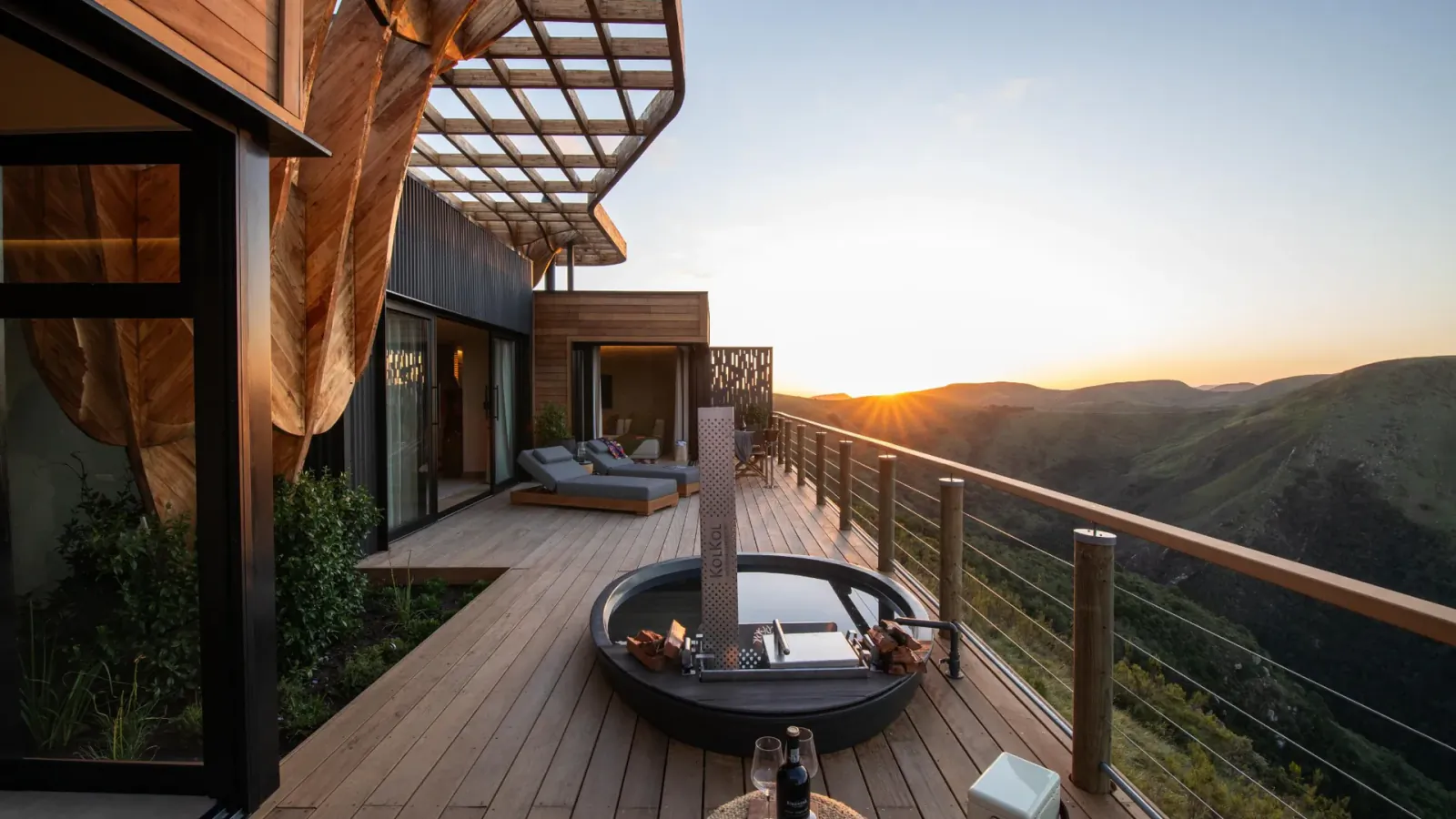
Privately managed conservancies place strict limits on guest density, creating quieter and more personalised wildlife encounters. Some accommodations in these areas have permanent canvas suites equipped with solar-powered hot showers, plunge pools, and dedicated personal stewards.
Expert trackers from local Samburu and Maasai communities guide safari drives in customised open-sided Land Cruisers and may use night-vision equipment to observe nocturnal predators. Choosing community-owned or partnered conservancies for a safari holiday in Kenya can support land-lease agreements and wildlife protection teams working on the ground.
Exploring the Biodiversity of the Galápagos Islands by Private Charter
The Galápagos Archipelago sits nearly 1,000 kilometres off the Ecuadorian coast and comprises 13 major volcanic islands and dozens of smaller islands and islets. Experiencing this isolated marine reserve requires navigation aboard specialised motor yachts or catamarans built for open-ocean stability.
Private charters provide greater privacy and control over the onboard experience, although all routes and activities must follow itineraries authorised by the Galápagos National Park Directorate. Approved schedules may include early-morning landings at visitor sites such as Punta Espinoza on Fernandina Island.
Marine iguanas, flightless cormorants, and Galápagos penguins inhabit these western volcanic shores. Certified Galápagos naturalist guides lead small-group Zodiac excursions along lava reefs and through coastal mangrove inlets.
Farther north, liveaboard diving expeditions around Wolf and Darwin Islands provide opportunities to encounter schools of scalloped hammerhead sharks, spotted eagle rays, and, during the appropriate season, whale sharks. Onboard amenities can include an executive chef, a sundeck hot tub, stabilisers for smoother passages, and experienced divemasters who oversee equipment and diving procedures.
Navigating Southern Fjords and Glaciers on Patagonia Expeditions
Southern Patagonia encompasses complex glacial networks, jagged granite spires, and labyrinthine channels across Chile and Argentina. Ice-strengthened expedition vessels can reach remote fjords such as Garibaldi and Pía inside Alberto de Agostini National Park. Rigid inflatable boats then provide closer access to tidewater glaciers, with excursions approaching active ice faces while maintaining a safe distance from calving ice.
Excursions inland combine strenuous trekking with high-end logistical support. Guided hikes along glacier margins continue into native lenga forests, where expedition leaders interpret the terrain and identify signs of local wildlife. Embarking on a W trek in Patagonia provides access to isolated anchorages throughout the Fuegian fjords that cannot be reached by road. Heated staterooms and panoramic observation lounges provide shelter after exposure to katabatic winds, while private sommelier-led tastings introduce guests to wines from Chile and Argentina.
Planning a High-End Voyage Through the Norwegian Fjords
Norway’s western coastline contains steep-walled fjords carved by Quaternary glaciation, stretching from Stavanger northward beyond the Arctic Circle. Chartering a superyacht suited to narrow waterways allows travellers to enter UNESCO-listed fjords such as Nærøyfjord and Geirangerfjord.
Local marine pilots assist captains through confined passages, while tenders provide access to small waterfront communities and fjord farms away from major terminals. Private transfers can also connect guests with guided glacier hikes on designated sections of Jostedalsbreen, mainland Europe’s largest ice cap.
Coastal waters support marine life including killer whales, humpback whales, and harbour porpoises, particularly around the Lofoten and Vesterålen archipelagos. Onboard naturalists coordinate kayak excursions through sheltered inlets where white-tailed sea eagles hunt along the cliffs.
Private shore excursions can include dinners in restored waterfront boathouses, with menus featuring Arctic ingredients such as reindeer, king crab, and hand-dived scallops. A private chef or sommelier can select wines to accompany each course, turning dinner into a closer look at Norway’s coastal cuisine.
Preparing for Cultural and High-Altitude Trekking in Bhutan
The Himalayan kingdom of Bhutan charges most international visitors a Sustainable Development Fee, which contributes to conservation, infrastructure, health care, education, and cultural programs. High-altitude routes such as the Snowman Trek and Druk Path cross pine forests and mountain passes above 4,000 meters.
Private trekking teams can arrange pack horses or yaks, experienced camp chefs, heated dining tents, and equipment suited to prolonged exposure at altitude. Medical preparations may include supplemental oxygen, satellite communications, and portable hyperbaric chambers on more demanding routes.
Private helicopter charters can shorten journeys between western and central Bhutan, although mountain weather and aviation approvals determine when and where helicopters can land.
Cultural excursions can include guided visits to the public areas of historic dzongs and, where arranged appropriately, conversations with monks or Buddhist scholars. Access remains subject to religious customs and local restrictions. Luxury lodges across Bhutan’s central valleys can also arrange traditional hot-stone baths infused with Artemisia leaves, a soothing way to unwind after several days of trekking.
Which of these remote, high-end expeditions best aligns with your next adventure travel goals?
Choosing a remote expedition comes down to the landscape, physical challenge and wildlife experiences that matter most to you. African savannas, sub-Antarctic coastlines and Himalayan passes each require very different levels of preparation, transport and time in the field.
Experienced guides and well-planned logistics can make difficult terrain more manageable while helping travellers follow local conservation and access requirements. Private charters and tailored itineraries can also provide greater flexibility in remote areas, allowing the journey to be shaped around specific routes, interests and conditions on the ground.