Foil Stamping, Embossing, and Textures: Enhancing Your Book Cover Design
Have you ever held a book in your hands and marvelled at the soft texture or raised letters of the title? Tactile elements of a book cover are highly influential and can even symbolise prestige and professionalism. In a world of ebooks, visual features are not the only attribute to consider when designing your book cover. Those who enjoy physical books will want an excellent first impression that sets your work apart. Techniques like foil stamping or embossing can elevate your cover from good to extraordinary. Learning how to transform the texture and feel of a book cover between a reader’s fingertips gives authors and designers a real competitive advantage.
Foil Stamping
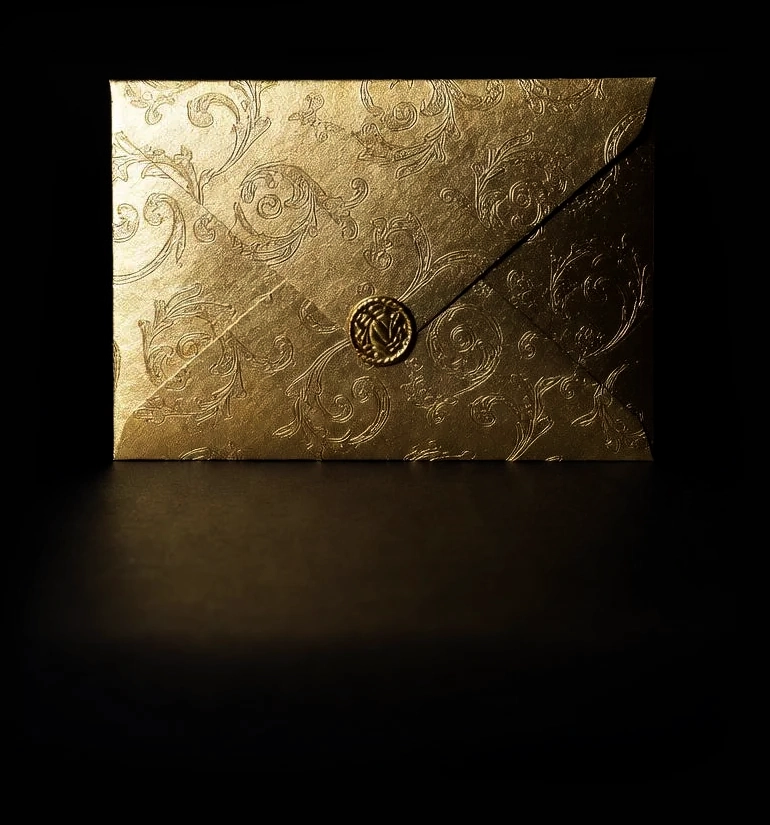
Some authors wish to draw attention or add a striking shine to a certain element of the cover. Foil stamping adds a shiny, reflective effect using thin sheets of gold or silver foil — though other colours are available and increasingly popular. You can even emboss foil-stamped details to raise them above the surface. While foil is often used to make text shimmery and colourful, it can also be applied to artwork or photographic elements. Imagine a glint of gold on a dragon’s tail or treasure chest. Foil stamping can make many features on fantasy or science-fiction book covers stand out immensely.
Embossing or Debossing
Embossing is a bold and popular choice in cover design services. It involves raising certain elements of the cover, like the title, for a three-dimensional, tactile effect. You can blind emboss without any additional colouring, or add foil or extra ink to emphasise the raised look. Debossing, the opposite technique, involves pressing certain images deeper into the cover surface. Both methods draw attention to visual assets in different ways: embossing boldly defines a feature, while debossing creates a subtler, ingrained effect. These are prestigious and typically higher-cost printing techniques, usually reserved for special editions and hardcovers. Text, logos, seals, or awards are common candidates for embossing or debossing, though any visual element can be treated.
Soft Touch Lamination
Lamination refers to a thin finishing coat that creates a specific texture or appearance on a cover. When most people think of lamination, they imagine a glossy finish — but there are many varieties. Soft-touch lamination is exactly what it sounds like: it gives a cover a smooth, almost velvety feel. It provides a luxurious matte finish that is perfect for genres where a premium, understated texture is desired.
Matte Lamination
If you prefer vivid colours without additional lustre, matte lamination is an excellent choice. Generally similar to soft touch but without the velvety texture, matte lamination presents deep, rich colour under all lighting conditions. It does not catch or reflect light in the way gloss does, resulting in a sophisticated, understated appearance.
Gloss Lamination
Gloss is one of the most common types of lamination and is responsible for the shiny sheen found on many book covers. If you want your cover to appear polished and silky, gloss is the way to go. Gloss lamination also tends to be more resistant to surface scratches than matte, though a cover’s overall condition will largely depend on how carefully it is handled.
Spot UV Coating
If you cannot decide between a matte or glossy finish, spot UV coating may be the ideal solution. This technique applies gloss selectively to certain parts of the cover while leaving the rest matte. It can highlight key features subtly, and the contrast in texture — silky gloss against velvety matte — creates a tactile and visual richness.
Leather or Fabric
For those who wish to go above and beyond in luxury presentation, leather or natural fabrics such as cotton or linen offer exceptional results. These cover materials are rarer in modern publishing but can create an extraordinary collector’s edition for any journal or book. Vintage, historical, fantasy, or romantic genres in particular lend themselves to these treatments. Cotton and linen provide a soft, warm, natural touch, while leather is cool and supple. Books with these covers also tend to age beautifully in look, feel, and even scent.
Conclusion
With so many options for enhancing the look and texture of your book cover, the choices can feel overwhelming. Decorative techniques like foil stamping, embossing, or gloss finishes are more than visually appealing — they add emphasis, perceived value, and prestige to your publication. Many of these printing options are luxurious and will add to production costs, but for many authors and publishers, they are well worth the investment. After all, your book should feel as special as the words it contains.