How distance to the water shapes villa prices on Phuket
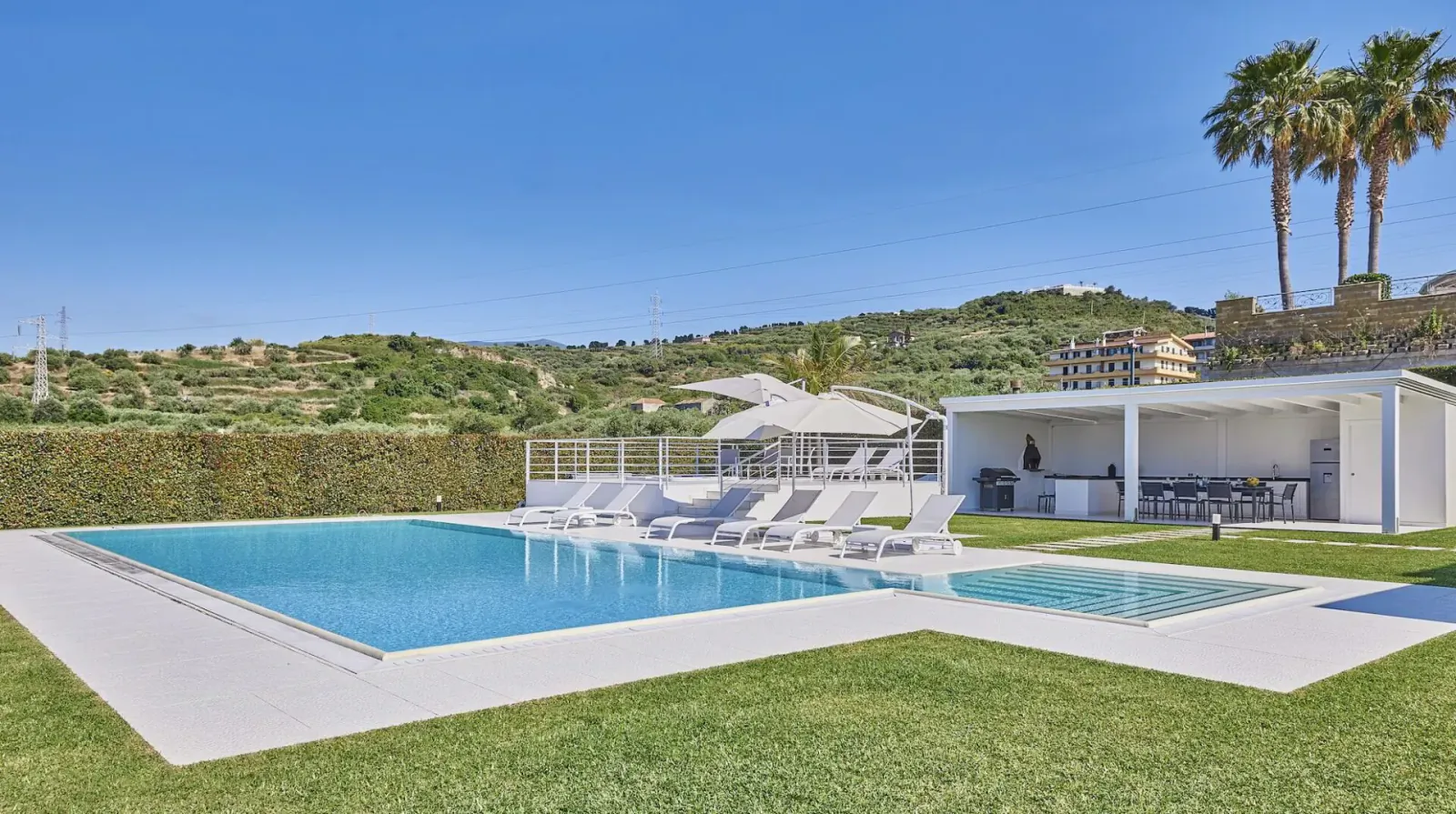
A villa 30 metres from the sand and a villa 1.5 kilometres inland can appear in the same search, show the same bay in their photographs, and still differ in price several times over.
Anyone shortlisting villas in Phuket by the sea meets that gap within an afternoon of browsing, usually without an explanation attached. The listings state a distance, sometimes in metres, sometimes in kilometres, and leave the buyer to work out what those metres are worth.
They are worth a great deal, and not always in the direction people expect. Around 150 villas on the island currently carry a by-the-sea tag on aggregator listings, priced from roughly $333,000 to over $2.1 million, with living areas running from 79 m² to more than 800 m². That is not one market. It is three or four markets stacked on top of each other, separated less by the quality of the house than by where it sits relative to the water and the road that reaches it.
The coast reads in bands, not in a straight line
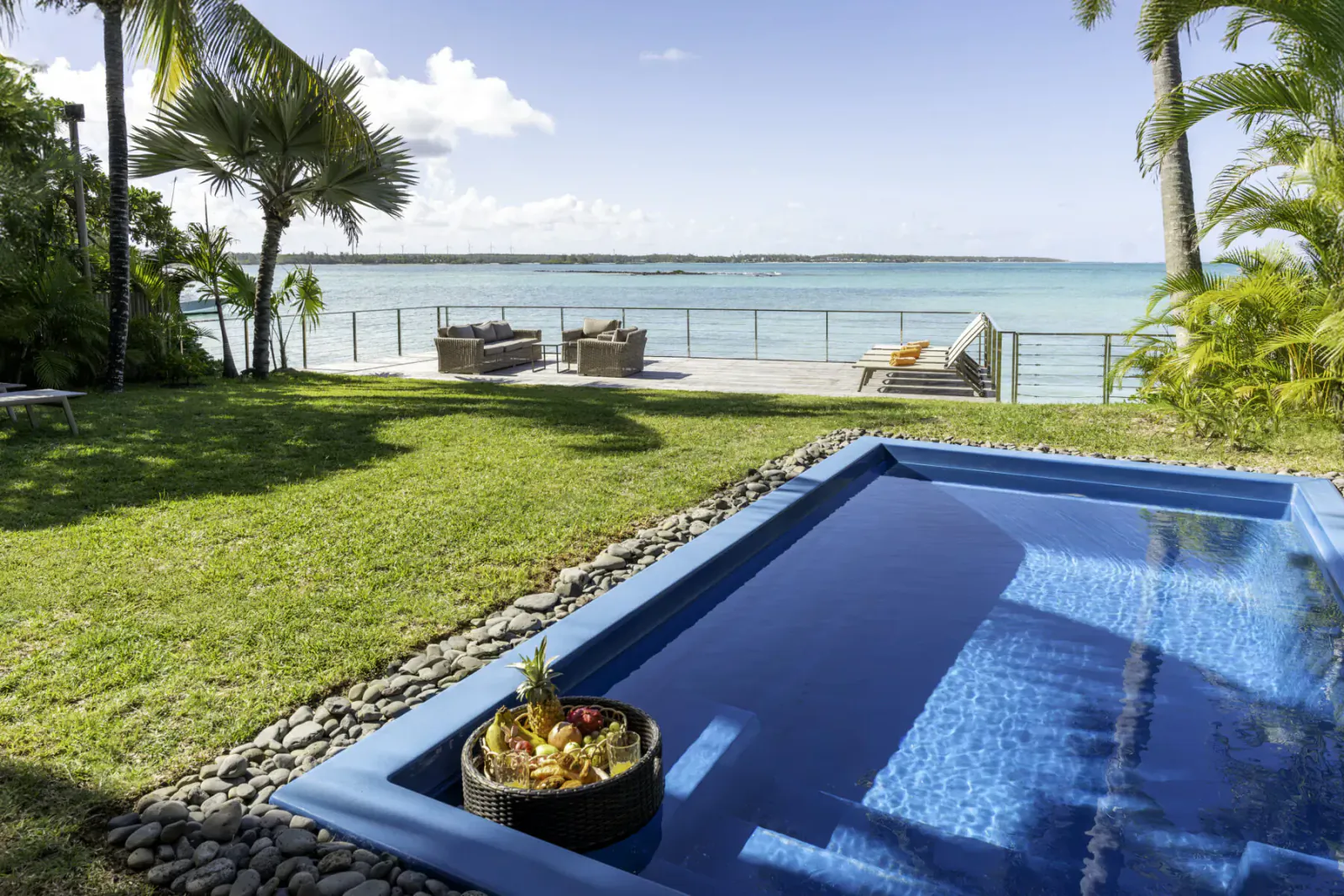
Phuket does not price its coastline evenly. The pattern is closer to a set of bands, each with its own logic. The first band is genuine beachfront, 30 to 100 metres from the water, where supply is fixed by geography and old title. Almost nothing new gets built here, so the stock is largely resale and the premium reflects scarcity rather than construction cost. Roughly 66 villas on the island are listed as front line, against 149 described as by the sea and 325 with a sea view. Those three labels are not synonyms, and the price differences between them are the whole story.
The second band sits 300 to 600 metres back, close enough to walk to the sand in a few minutes, far enough that the plot was buildable in the past decade. Most of the modern villa projects on the west coast live here. The third band climbs the hillside, trading walking distance for elevation and a wider view, and the fourth runs inland, where a villa is bought for the house itself and the sea becomes a ten-minute drive rather than a feature.
What the west coast charges and why
The western beaches carry the island’s reputation and its prices. Bang Tao, with close to 290 listings across all property types, is the deepest market of the four and the one where a buyer will find the widest set of direct comparisons. Naithon and Nai Harn are smaller and quieter, with 25 and 48 listings respectively, which means a shortlist there fills up slowly and negotiating room depends on who happens to be selling that month. Rawai, at the southern tip, works differently again, with an established resident community and a stock of older villas that rarely reach the glossy end of the market.
The table below sets out how the bands typically behave. Treat the figures as the shape of the market rather than a quote, and confirm current asking prices on any specific plot.
A useful discipline is to compare price per square metre within a band before comparing across bands. A 265 m² villa in Rawai at roughly $514,000 and a 279 m² villa closer to the water at about $676,000 look similar on paper. Once the distance to the sand and the age of the build are accounted for, they are answering two different questions.
Where the value tends to sit
Buyers who arrive fixed on beachfront often leave with something in the second or third band, and the arithmetic usually explains why. Stepping back 400 metres can cut a price by a third while adding land, a larger pool and a quieter road. Hillside plots deliver a view that beachfront rarely gets, since a house on the sand looks along the water rather than across it, though they demand a car and a tolerance for steep access in the rainy months.
There is also a maintenance argument that sellers do not volunteer. Salt air is hard on fittings, pool equipment and anything with a motor, and the closer a villa sits to the water the faster it ages. A front-line house carries a running cost that a house 600 metres inland does not, and over a decade that difference is real money. It does not cancel the appeal of the first band, but it belongs in the calculation.
Of the villa stock on the island, 885 units are listed in the cheaper tier and 116 in the luxury tier, with 964 three-bedroom and 771 four-bedroom houses across all locations. The middle of that market is where most transactions actually happen.
Checks worth making before the deposit
Distance to the water is the headline, but the paperwork underneath it decides whether the purchase holds up.
Confirm the stated distance on a map rather than in the brochure, since a listed 400 metres is sometimes 400 metres of road and sometimes 400 metres through a neighbour’s garden.
Establish exactly how the land is held, because a foreign buyer cannot own land in Thailand directly and a villa is structured through a lease or a Thai company, each with different consequences.
Read the lease term as written rather than as described, since the automatic renewals that older guides promise were narrowed by a Supreme Court ruling in March 2025.
Check beach access rights on the title, as proximity means little if the path to the sand crosses land you have no right to cross.
Budget the transfer fee of 2% of the assessed value, normally split between the parties, along with the annual upkeep a coastal house demands.
Comparing plots across those bands is easier when the listings sit side by side with their distances stated. Browsing the Phuket villa catalogue on Global-Property.Investments lets you filter by proximity to the water and by area, so the trade-off between metres and money becomes visible before you fly out to view anything.
The honest summary is that beachfront on Phuket buys scarcity, hillside buys the view, and the walkable band buys the balance that suits most buyers. None of the three is the right answer in the abstract.
Decide first whether you are buying a house or a location, then let the distance follow that decision rather than lead it. Confirm the title structure with a Thai lawyer who is not connected to the seller, walk the route to the beach yourself, and the metres on the listing will finally mean what you think they mean.