How to Look After Your Health and Your Comfort on Long Mountain Escapes
A trip to the mountains is a great way to escape everyday life. Clean air, quiet trails and wide views offer a welcome break from busy cities. However, long mountain stays also bring challenges. Hours of walking, changing weather and high altitude can be hard on your body, especially if you are not used to outdoor activity.
Small choices make a big difference. Good footwear, enough water, sun protection and proper rest can turn a tiring trip into a comfortable one. This guide covers the key steps to stay healthy and comfortable from your first day to your last.
Prepare Your Body Before You Go
Mountain trails are different from your usual workout. Steep paths and uneven ground test your strength, balance and stamina. A few weeks of preparation can help you avoid sore muscles and painful joints.
Build Your Fitness Gradually
Make walking part of your daily routine. Start with short walks and slowly increase the distance. Choose routes with hills or stairs if you can, as these feel closer to real mountain trails. Cycling, swimming and light strength training also help. Focus on your legs, hips and core, because these muscles support you when you climb or carry a backpack.
Do not try to do too much too quickly. Give your muscles time to recover between sessions. You do not need to become an athlete. You simply need to feel comfortable with longer periods of movement.
Speak to Your Doctor if You Have Concerns
If you have an existing health condition or take regular medication, talk to your doctor before you travel. This is especially important for people with heart or lung problems, as altitude affects breathing and puts extra pressure on the heart. Mention any plans for multi-day hikes at altitude so your doctor can give you the right advice.
Break In Your Boots Early
New boots can feel fine in the shop but cause blisters after a few hours on the trail. Wear them at home and on short local walks first. Slowly increase the time you spend in them. Check your heels, toes and ankles for rubbing, and wear the same socks you plan to take on your trip.
Give Your Body Time to Adjust to Altitude
As you climb higher, the air contains less oxygen. Your breathing gets faster, your heart works harder and simple tasks feel more tiring. Some people also get headaches, dizziness or poor sleep during the first few days. Being fit does not protect you from these effects.
Climb Slowly and Take It Easy at First
Avoid a demanding hike on your first day at altitude. Rest, explore the area or take a gentle walk instead. If your trip involves different heights, avoid sleeping at much higher altitudes within a short time. Everyone adjusts at a different speed, so do not compare yourself to others.
Know the Warning Signs
Early signs of altitude sickness include headaches, nausea, dizziness, unusual tiredness and loss of appetite. If you notice them, stop climbing and rest. Seek medical advice if symptoms continue or get worse.
Serious signs include confusion, trouble walking in a straight line and severe breathlessness at rest. These need urgent medical help. Descend safely and never leave the person alone. Your safety always matters more than reaching a summit.
Stay Well Hydrated
Cold, dry mountain air makes you lose moisture with every breath. You also sweat more than you think, even when it feels cool. Some people feel less thirsty at altitude, which makes it easy to drink too little.
Carry a refillable bottle and take small sips throughout the day. Plan how much water you need before you set off. If you refill from streams, always treat or filter the water first. On long, hot hikes, an electrolyte drink can help replace lost minerals. Keep caffeine moderate, especially in the afternoon, so it does not affect your sleep.
Remember that drinking more water does not prevent altitude sickness. Never use it as a reason to ignore symptoms.
Protect Your Skin From Strong Sun
UV radiation gets stronger as you climb, because there is less atmosphere to filter it. Snow and water reflect sunlight back at you, and UV rays still pass through clouds. You can burn quickly even on a cool day.
Use a broad-spectrum sunscreen with SPF 30 or higher. Apply it before you leave and reapply it at least every two hours, or after heavy sweating. Do not forget your ears, neck, hairline and the backs of your hands. Use a lip balm with SPF and wear a hat for extra shade.
Look After Your Eyes
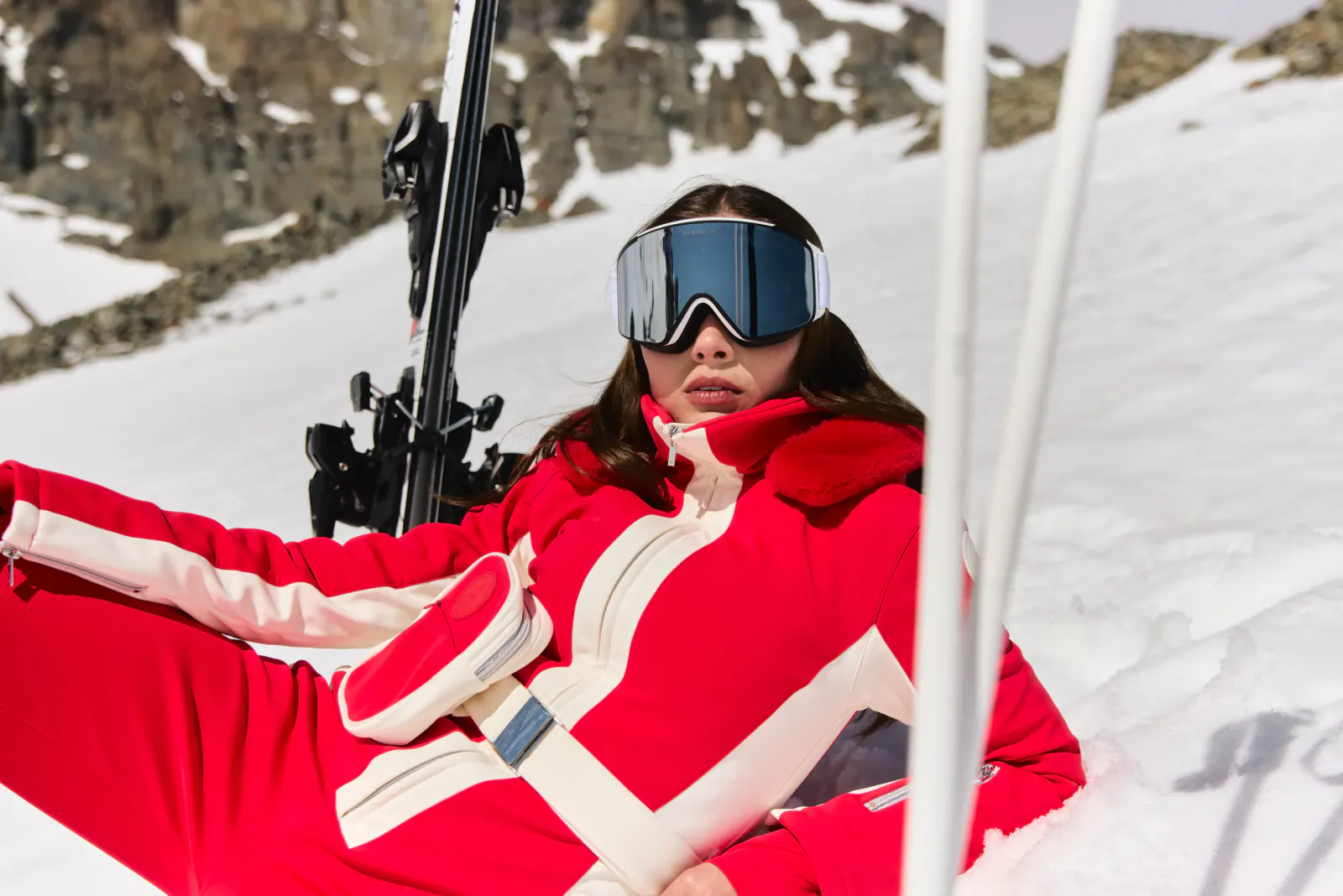
Bright sunlight, reflected glare, wind and dry air can all irritate your eyes. Intense UV exposure can even cause photokeratitis, a painful condition similar to sunburn of the eyes. Symptoms often appear hours later.
Choose the Right Sunglasses
Pick sunglasses labelled UV400 or offering 100% UVA and UVB protection. Dark lenses alone do not guarantee protection. In fact, dark lenses without UV filters can let more harmful rays in, because your pupils widen. Polarised lenses reduce glare from water and snow, while wraparound frames block wind and dust from the sides.
Tips for Contact Lens Wearers
Dry wind and dust can make lenses uncomfortable. Sunglasses help shield your eyes, and rewetting drops can add comfort if they suit your lenses. Always wash and dry your hands before handling lenses, and never rinse or store them in tap water. Daily disposables are a practical choice for many travellers, as you do not need to carry cleaning solutions. If you need new lenses before your trip, you can find suitable options by looking for contact lenses online at Lenstore and checking that they match your prescription.
If your eyes become painful, very red or sensitive to light, remove your lenses and see an eye specialist before wearing them again. Always pack a spare pair of glasses and a few extra lenses, especially in remote areas.
Dress in Layers
Mountain weather changes fast. A sunny morning can turn cold and wet within hours. Layers let you adjust as conditions change.
Start with a moisture-wicking base layer, such as merino wool or a synthetic fabric. Avoid cotton, as it holds sweat and leaves you cold. Add a fleece or light insulated jacket for warmth. Finish with a breathable waterproof shell. Pack a light hat and gloves too, even in summer, because evenings and viewpoints can get cold.
Take Good Care of Your Feet
Choose boots that hold your heels firmly without squeezing your toes. Wear cushioned hiking socks and carry a spare pair in case your feet get wet.
Watch for hot spots, the warm or sore patches that come before a blister. Stop, dry the area and apply blister tape straight away. In the evening, check your feet for redness or swelling, and do some gentle stretches and ankle circles.
Eat Well to Keep Your Energy Up
Your appetite may drop at altitude, but your body still needs fuel. Eat smaller meals more often if large portions feel hard. Choose slow-release carbohydrates such as oats, wholegrain bread and potatoes, and add protein from eggs, yoghurt, nuts or chicken. Pack easy trail snacks such as nuts, dried fruit and cereal bars. Try not to skip meals, even when you are tired.
Protect Your Joints and Get Good Rest
Warm up with a few minutes of gentle movement before long walks. Walking poles can ease pressure on your knees during steep descents. Stretch your calves, thighs and hips at the end of each day.
Sleep can feel lighter at altitude, especially during the first few nights. Keep your sleeping space warm, quiet and dark. Use an eye mask or earplugs if needed, and avoid screens before bed. If you camp, an insulated sleeping mat helps keep the cold ground away.
Pace Yourself
It is tempting to fit in as much as possible, but daily long hikes can leave you exhausted. Plan rest days and mix active days with gentler ones, such as a visit to a local village. Listen to your body. Persistent tiredness, dizziness or unusual pain are signs to slow down.
Pack a Simple Health Kit and Stay Safe
Your kit should include plasters, blister dressings, antiseptic wipes, any personal medication, eye drops, spare eyewear, sunscreen and SPF lip balm. Keep everything in a waterproof pouch.
Check the weather forecast every morning, as conditions at the summit may differ from the valley. Always tell someone your route and expected return time, especially if you hike alone.
Conclusion
A long mountain escape is a wonderful chance to enjoy nature and recharge. With some preparation, you can stay safe and comfortable throughout your trip. Build your fitness, respect the altitude, drink regularly and protect your skin and eyes. Dress in layers, care for your feet and give yourself time to rest.
A good mountain holiday is not about the longest distance or the highest peak. It is about enjoying the journey and coming home healthy, refreshed and full of good memories.