Marrakech has a reputation for being a world-class tourist destination
With the number of visitors averaging 12 million every year, Morocco is Africa’s second most visited country on the continent. The North African country is only second to Egypt, which welcomes an average of 13 million visitors annually.
Situated in western Morocco, Marrakech is earning a reputation for being a world-class tourist destination with its cultural and historical heritage, offering visitors authentic experiences from the very simple to the most luxurious.
To celebrate our 20th wedding anniversary, Marrakech was the ideal choice—neither of us had visited before, it is a short flight from the UK (three hours 30 minutes), and a speedy 20-minute transfer to the city.
Luxury Accommodation at La Villa des Orangers
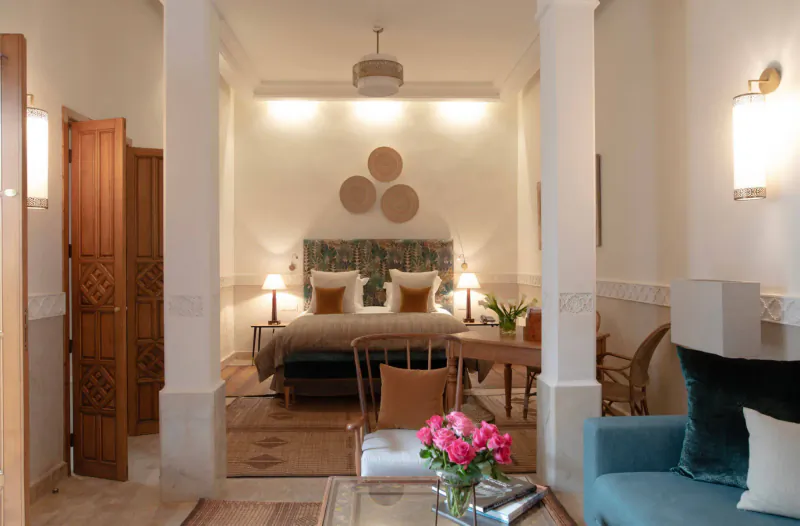
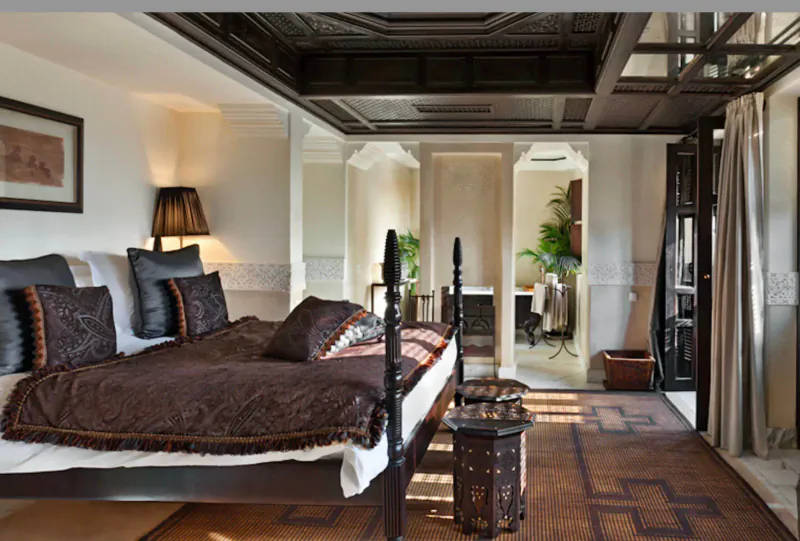
Accommodation choices vary from simple to luxurious. For our special weekend away, we opted to stay at La Villa des Orangers in the Medina, the old town, where the sights are within easy walking distance, the souks are on the doorstep, and we could explore pretty much everywhere on foot.
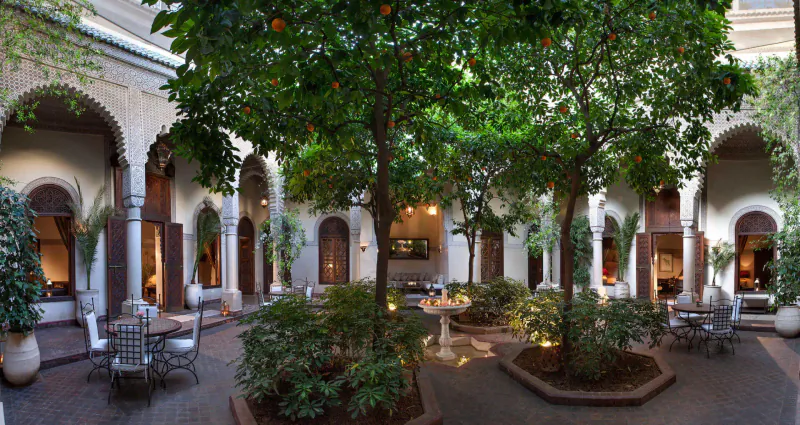
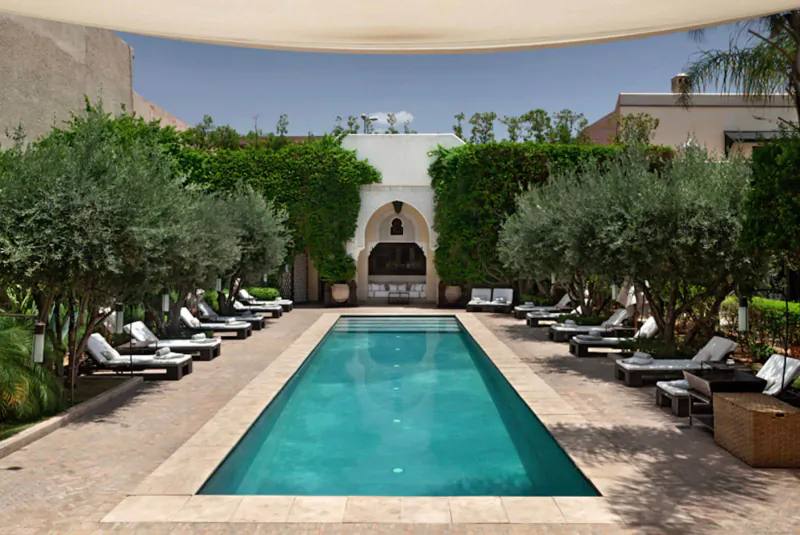
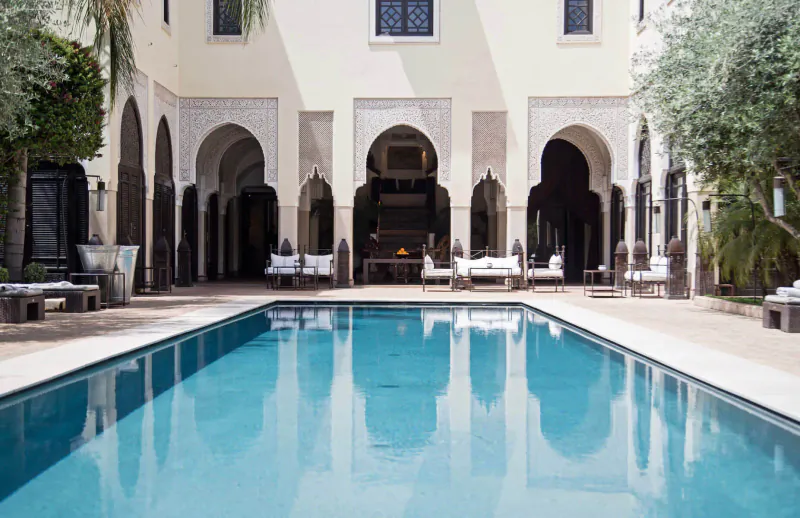
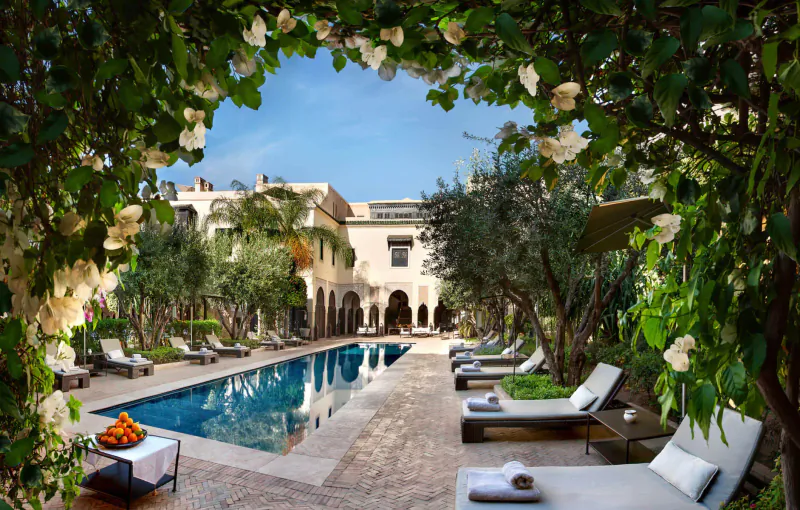
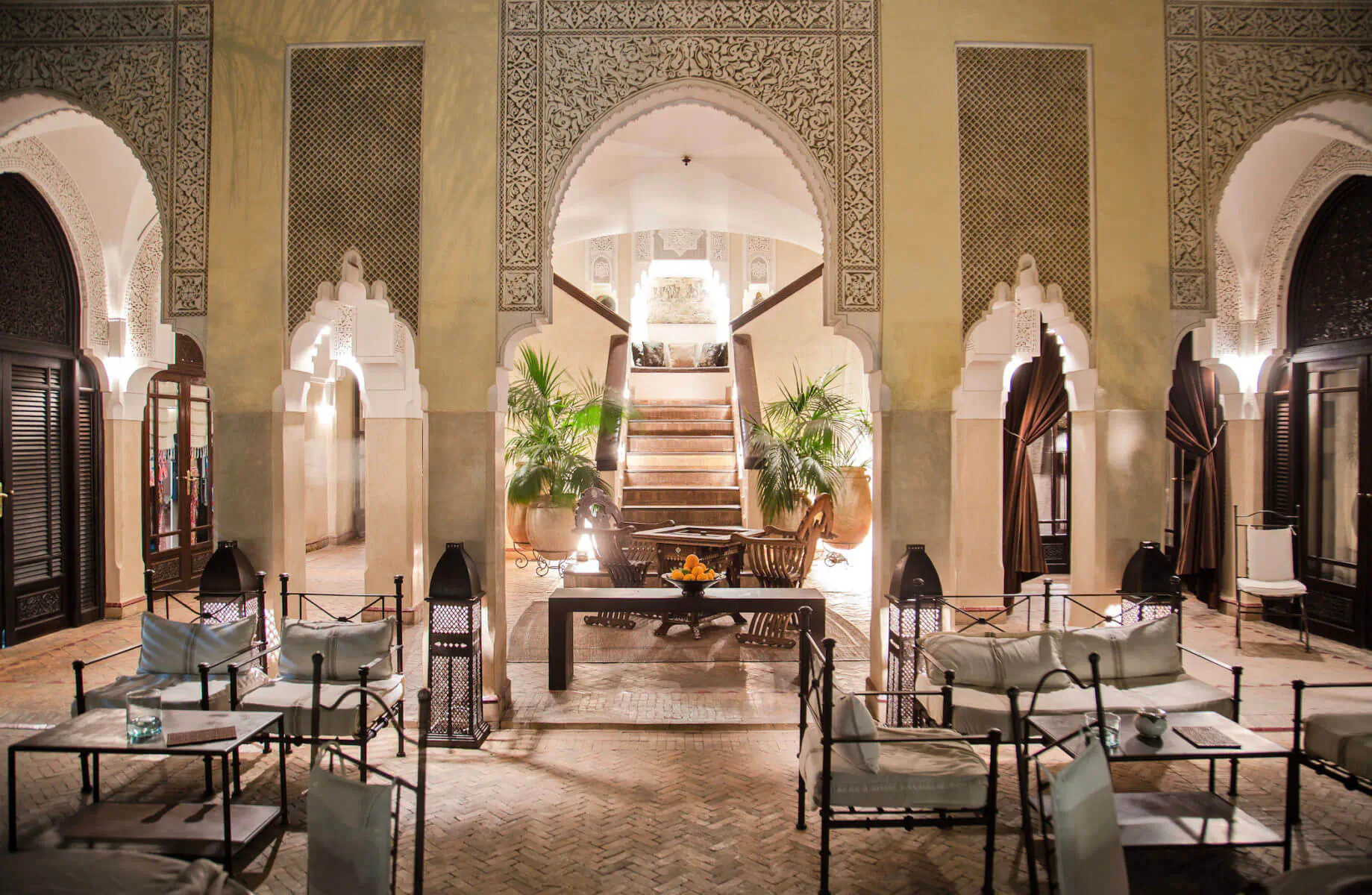
The Villa des Orangers is a riad, a traditional Moroccan house with an interior courtyard. Built in the 1930s and once owned by one of the city’s most prominent judges who lived there until 1998, it took the city’s finest craft workers nine months to complete the renovation, fully respecting local traditions, before it opened as a luxury hotel.
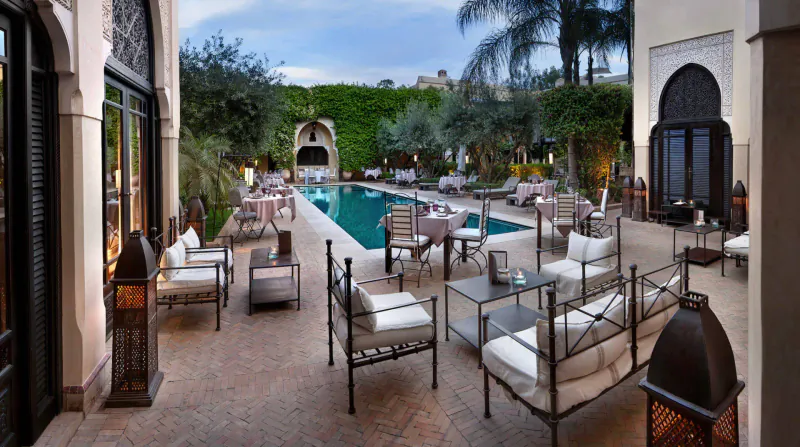
After settling into our room and taking numerous pictures of the hotel, its pools, courtyard, and interiors—it really is picture perfect—we decided to explore and were excited to experience a completely different culture. For first-time visitors, it can be a bit daunting, so we hired a local guide. The hotel recommended one of the best in the city, Hicham Behlidaoui, and we opted for a half-day guided tour tailored to our needs.
Exploring the Medina with a Local Guide
Hicham explained the history of the ancient city of Marrakech and its important buildings within the high red walls of the Medina. We soon realised what a good call it was to have a guide as we walked further into the old city—it is very easy to get lost in the narrow alleys and squares!
Our first stop was the large square at the entrance to the Medina, the centre of Marrakech life. Named Djemaa el-Fna, it has been declared a UNESCO ‘Masterpiece of the Oral and Intangible Heritage of Humanity’. It is one of the main cultural spaces in Marrakech and a symbol of the city since the eleventh century. This vibrant hub features markets with sellers galore (freshly squeezed orange juice is a must!), snake charmers, and even witch dentists offering tooth-pulling services!
As we walked the streets, we grew accustomed to the sounds and smells of the city and soon became captivated. Another must-visit is the Medersa Ben Youssef, one of Morocco’s most beautiful buildings. A former theological college completed in 1565, located opposite the Ali Ben Youssef Mosque, it once housed 900 students as the largest centre for Quranic studies in the country. Visually arresting, the main courtyard features fine zellige tiling, stalactite ceilings, cedar wood detailing, and warrens of rooms clustered around internal courtyards in typical Islamic architectural style. Simply breathtaking—holiday pictures sorted!
After a busy morning exploring the Medina, Hicham took us to Riad Dar Tim Tam (42-44 Rue Rahba Lakdima, tel +212 24 391446), the perfect lunch spot in the souk, serving Moroccan food specialising in tagines and Moroccan-style salads, accompanied by refreshing mint tea.
Reinvigorated after a wonderful lunch, we visited Bahia Palace. Known as ‘La Bahia’ (The Beautiful), it is one of Marrakech’s most eye-popping sights, spread over 8,000 square metres with floor-to-ceiling extravagance of intricate marquetry, plasterwork, and zouak (painted wood). Built in the late 19th century as the residence of Grand Vizier Bou Ahmed, who served Sultan Moulay al-Hassan I, it was intended to be the greatest palace of its time—and its interiors certainly showcase the opulent lives of those in the sultan’s favour.
Shopping in the Souks: Haggling with Expert Guidance
Itching to go shopping, we asked Hicham for help: Where is good to go? How do we barter? With hundreds of shops and stalls, no problem with our super guide. We started in the heart of the Medina.
The markets offer a real variety: ceramics, glassware, ornate teapots, rugs, clothes, bags, slippers, food, cosmetics, antiques—you name it. I quickly realised it would have been advisable to pack a spare bag for all the wonderful clothes, homeware, and accessories.
Hicham explained that only two percent of shops have fixed prices, so you must haggle—there are no rules, just go with what you think the item is worth.
For spices, Hicham recommended Herboristerie Lamlih, a family-run business and one of the best spots. He buys Moroccan tea here for his mother. On offer: the freshest spices and teas, medicinal herbs, soaps, and argan oil—all at fixed prices, a great shopping introduction. We had fun choosing spices ground fresh in front of us, plus oils and beauty products.
We then headed to the souks to see local artisans: tanneries making leather goods, blacksmiths crafting lights and furniture, wood carvers creating backgammon boards and jewellery boxes. Fascinating! The tour concluded in a market where we haggled for jewellery, hand-carved barbeque skewers, and bags, with Hicham securing the best prices. A perfect day and wonderful introduction to the magical city.
Hotel Bliss and Desert Adventures
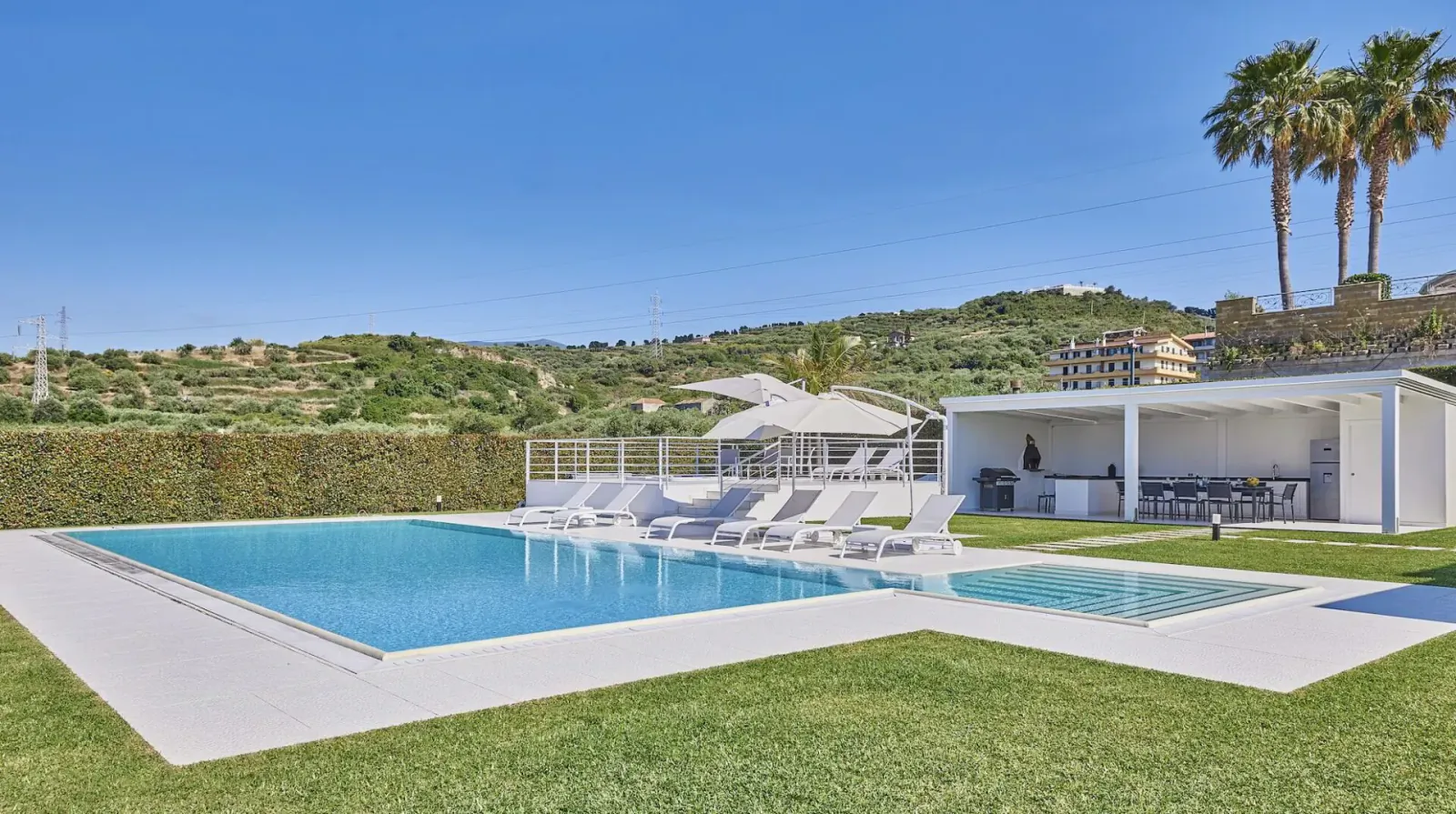
Retreating to the hotel was much needed, and we were desperate for pool time. The hotel has three beautiful pools: a rooftop one with Atlas Mountain views, a smaller garden pool, and another surrounded by olive trees—one of the prettiest in Morocco. Its resident tortoise, Ryan, was a star attraction, greeting guests each afternoon.
We enjoyed dinner at the hotel al fresco: white-cloth tables around the floodlit pool, becoming even more beautiful at night with twinkling lights and stars above. The restaurant offers East-meets-West cuisine—every dish a taste sensation with subtle spices and sweetness, matched by a curated wine list.
For day two, we ventured into the Agafay Desert at the foot of the Atlas range. Trips vary from half-day to overnight. Hicham and hotel staff organised a day trip to Inara Camp, just 45 minutes away. We arrived for traditional Moroccan lunch of salads, meats, and fruit at Le Soukoune restaurant, overlooking the pool with breathtaking desert and mountain views.
A hot day—the desert’s climate nears the Sahara’s—so we cooled by the pool. Before sunset, a thrilling guided quad bike crossed the soft rocky terrain. Slower options: camel or horse rides, mountain biking, trekking.
Afterwards, we headed to El Fenn for fabulous music, cocktails, and dinner on its 1,300-square-metre rooftop terrace.
Jardin Majorelle and Local Dining Gems
On our last day, we visited Jardin Majorelle, a lush escape from city heat. Created by French painter Jacques Majorelle from 1922 with exotic plants like cacti and palms, plus ornate ponds. Home to his Art Deco studio in vibrant Majorelle blue, now the Berber Museum—worth a visit.
After Majorelle’s 1962 death, Yves Saint Laurent bought it to save it, living in an adjoining house. Next door: Yves Saint Laurent Museum, dedicated to his legacy and exhibitions.
Real local food is hard to find—Moroccans say it’s never as good as home-cooked! Locals recommended Al Fassia in Gueliz, west of the old town. Run by two sisters as an all-female restaurant, it serves impressive Moroccan salads, delicious chicken pastilla, and varied tagines.
We celebrated our anniversary in style, feeling we’d only just begun discovering the city. The saying is true: you don’t visit Marrakech, you experience it. Relaxed or adrenalin-fuelled, it delivers in vibrant, colourful ways. We will be back.
Practical Tips for Your Marrakech Trip
La Villa des Orangers – Book here
From 12th June to 4th September: £285 per night for a deluxe double room including airport transfers, breakfast, lunch, soft drinks, and laundry. From 5th September: £410 per night.
Private Guide: Hicham Behlidaoui
Tours from £40 per couple per half-day. Book in advance: email or Instagram.
Top Tips:
- Take a guide for day one: History, monuments, gardens, photography, cooking, or shopping tours. From £40 per couple half-day.
- Change money on arrival: Available at airport, hotels, banks.
- Visit Djemaa el-Fna morning and evening: Evening brings street food, entertainers, musicians, Berber storytellers.
- Riad Dar Tim Tam: Ask shop owners for directions; eat in the bright courtyard.
- Fast-track immigration: Pay at airport to skip queues.
- Taxi prices: Agree upfront; ask hotel for rates.
Written by Maria Boyle