Tanda Tula: A Long-Established Presence in the Timbavati
In a safari landscape increasingly shaped by reinvention, Tanda Tula Safari Camp stands apart as a lodge defined by continuity. Located within South Africa’s Timbavati Nature Reserve, Tanda Tula is not a recent arrival to the Greater Kruger ecosystem, but a long-established presence — one that has evolved gradually alongside the land it occupies.
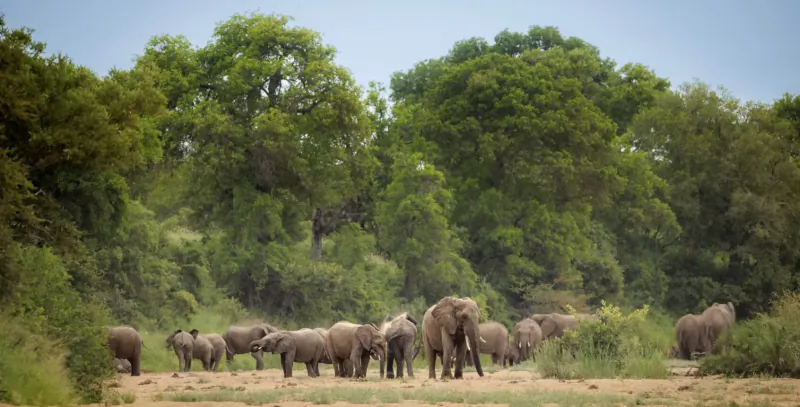
The Timbavati forms part of the unfenced Greater Kruger landscape, where wildlife moves freely across reserve boundaries and the environment remains the dominant force. Open savannah, seasonal riverbeds, and mixed woodland create a varied ecological setting, shaping both animal movement and the tempo of daily life. Tanda Tula’s position within this landscape allows for a safari experience that feels fluid and responsive, rather than contained.
First established in the late 1970s, Tanda Tula has grown through measured refinement rather than dramatic transformation. Over the decades, the camp has been reworked and repositioned, yet its core philosophy has remained consistent: to offer an experience rooted in openness, connection to place, and a respectful approach to the bush. The result is a lodge with a clearly defined identity, shaped by gradual evolution rather than abrupt change.
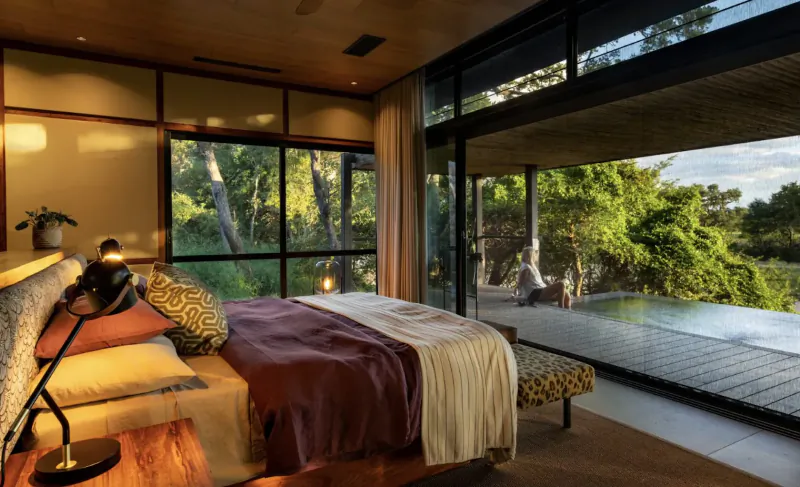
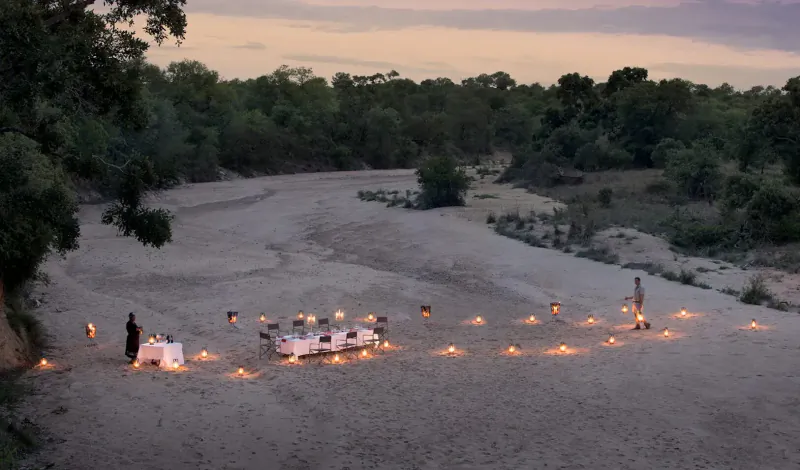
Accommodation at Tanda Tula is intentionally limited. The camp comprises nine safari suites set along a dry riverbed, designed to maintain a close relationship with the surrounding environment. Open-fronted and constructed using a combination of canvas, glass, and natural materials, the suites prioritise light, airflow, and immersion in the bush. Private decks and plunge pools extend living spaces outdoors, while interiors are understated, allowing the landscape to remain central.
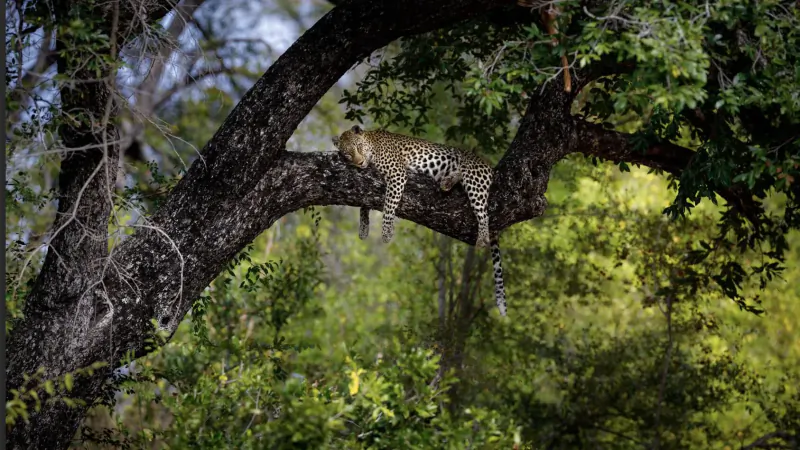
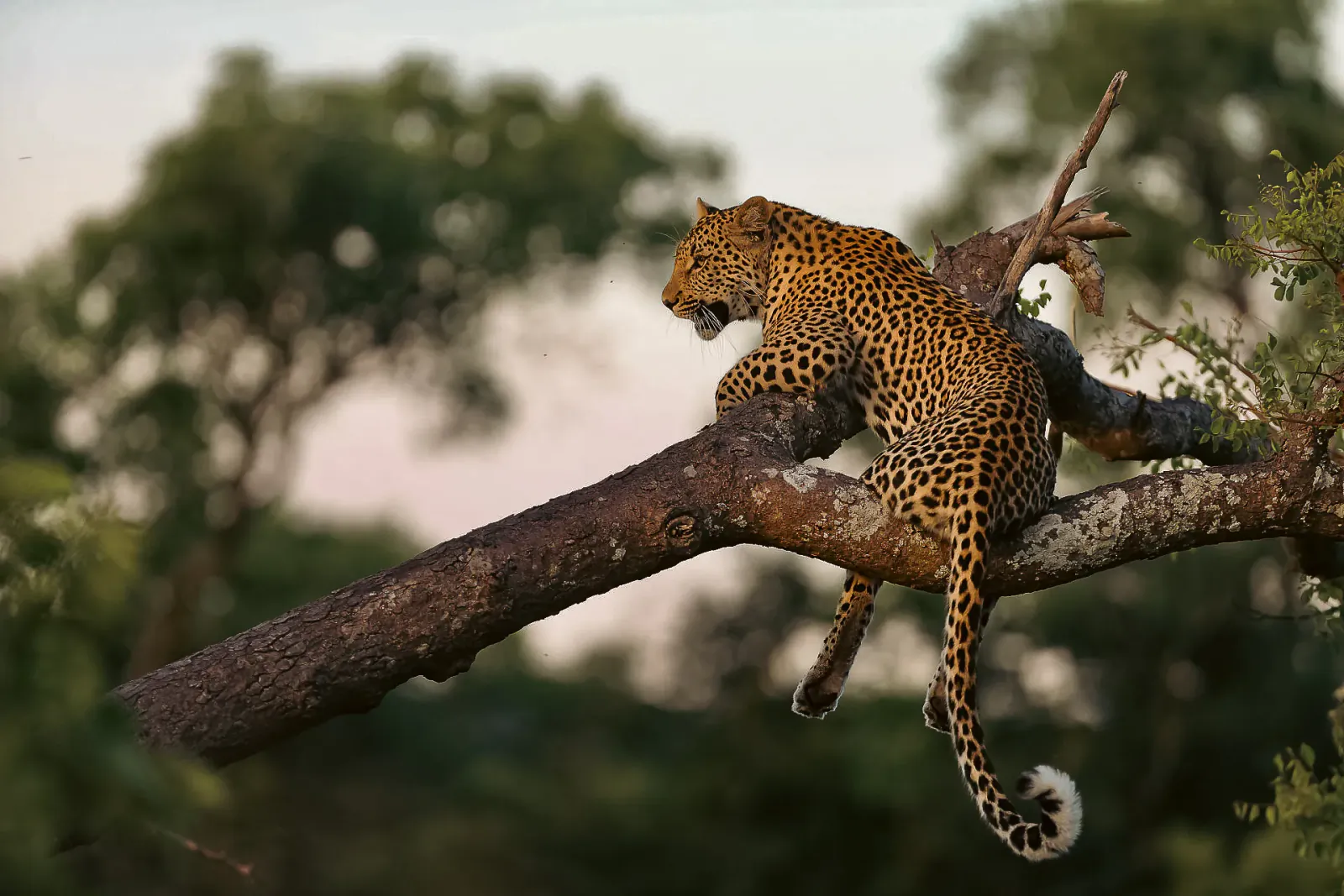
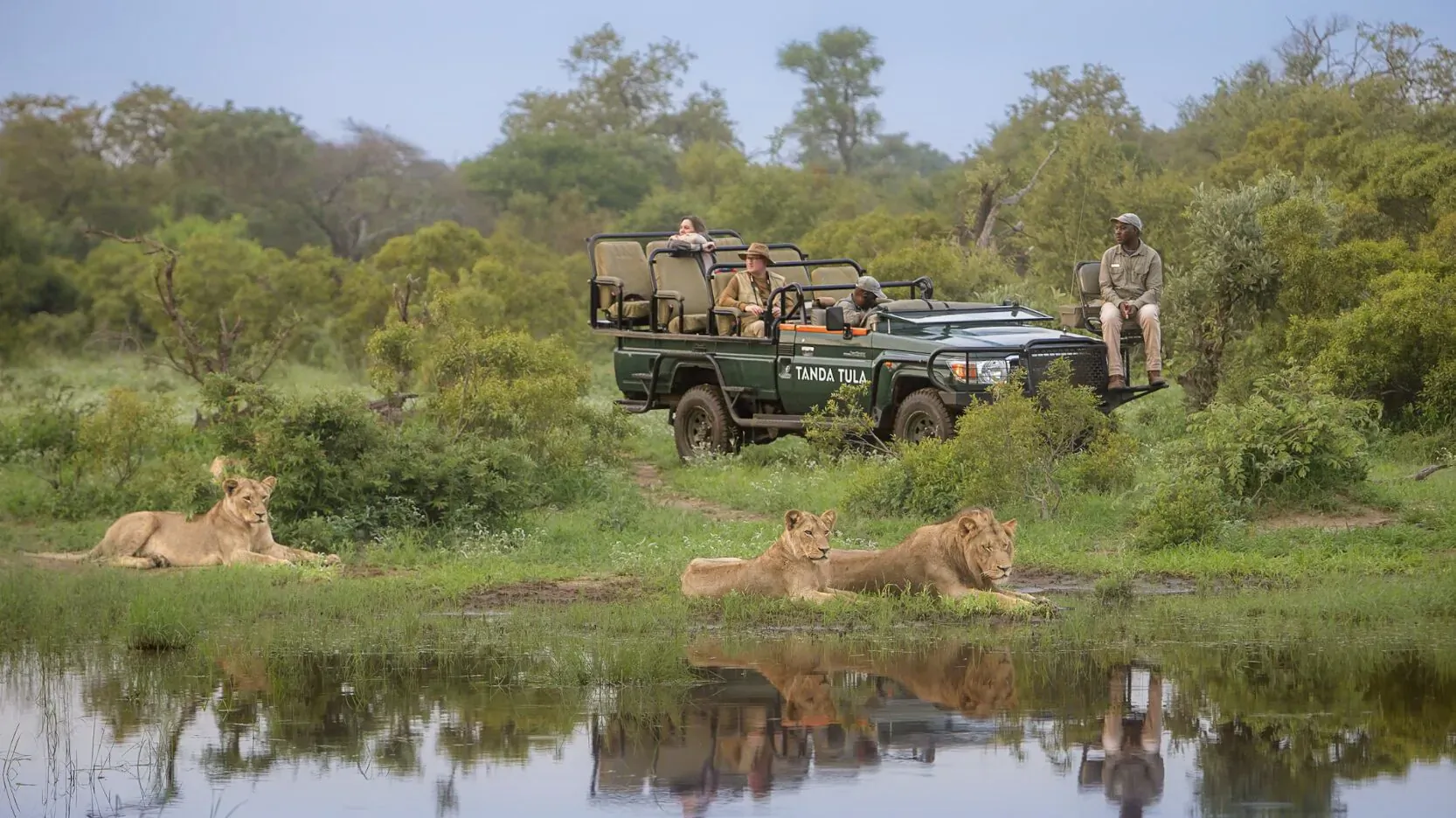
Beyond the suites, the focus is firmly on the safari itself. Game drives explore the wider Timbavati reserve, where Big Five sightings are part of the ecological reality rather than the sole objective. The unfenced nature of the reserve allows for a dynamic safari experience, shaped by seasonal changes, animal movement, and time spent reading the terrain.
Guiding and tracking form a central part of the camp’s reputation. The guiding team draws on long-standing experience within the Timbavati, with game drives focused on animal behaviour and ecological context rather than fixed outcomes. Walking safaris provide an additional perspective, shifting attention to smaller details — plants, insects, tracks, and textures that are easily overlooked from a vehicle.
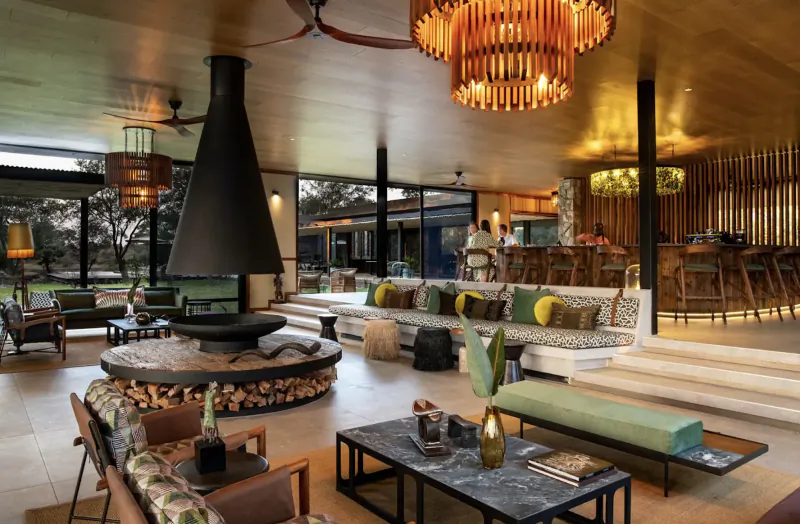
Back at camp, the atmosphere is relaxed and informal. Communal spaces encourage shared meals and conversation, while the overall pace remains unhurried. Food plays an important role in the daily rhythm, woven into the flow of activities rather than positioned as a standalone focus.
Tanda Tula is family-owned and operated, with an all-African leadership structure and long-standing ties to surrounding communities. Its presence within the Timbavati is closely linked to conservation and land stewardship, with guest stays supporting reserve management, wildlife monitoring, and habitat protection. This work also extends beyond the reserve itself, through the Tanda Tula Foundation, education and scholarship programmes, and the Timbavati Supply Chain Development Project, which focuses on strengthening small local businesses within neighbouring villages. These initiatives sit at the heart of how the camp operates day to day, supporting a wider framework for long-term sustainability across the reserve and surrounding communities.
Evenings unfold without a rigid structure. Some are spent on night drives, offering a different perspective on the landscape after dark; others are around the fire, or quietly observing the sounds of the bush as nocturnal life takes over. Game drives follow a daily schedule — with an early morning departure just after sunrise and an afternoon drive setting out after tea and returning shortly before dinner — while the overall pace of the experience allows space to slow down and engage more deeply with the landscape.
Within the Greater Kruger landscape, Tanda Tula occupies a particular space — one shaped by time, familiarity, and a close reading of the land. It is a lodge that has evolved alongside its environment, with the landscape continuing to shape the experience it offers.
W: Tanda Tula