The Art of Product Presentation in Luxury Interiors
How a dining chair is lit changes how its material reads. Whether a stone table is photographed to show the depth of its surface pattern or flattened into a uniform grey affects whether a viewer understands what they are looking at. The way upholstery is shown from an angle — whether the stitching and the gentle compression of the cushion are visible — determines whether the quality of the piece can be read at all.
In a luxury product presentation, none of these decisions is incidental. They are the work.
What luxury buyers are actually reading
An affluent buyer looking at a premium dining chair online is not only seeing whether they like the design, but also they are conducting a rapid, often unconscious assessment of quality: whether the joinery looks precise, how the upholstery sits at the corners, whether the leg profile holds its character at all angles, and whether the finish on the frame looks applied or integral.
These are the same assessments a buyer makes in a showroom by looking closely and sometimes running a hand along a surface. The challenge of digital product presentation is that it must carry the same information without any of the physical access. A single image, however beautifully photographed, rarely accomplishes this. It captures the product from one angle, under one lighting condition, at one moment.
For luxury furniture and homeware, formats such as 360 view product photography can help buyers examine silhouette, finish, joinery, upholstery, and proportions more closely before they visit a showroom or request a consultation. The ability to rotate a cabinet and see how the doors sit in their frames, or to view a sofa from the side to judge the depth of the seat and the line of the back, gives the buyer information that a gallery of static images can approximate but rarely fully deliver.
The product page is the first impression
A significant proportion of luxury purchases that eventually conclude in a showroom or through a private consultation begin online. The buyer discovers a piece, forms a first impression, and decides whether to pursue it further. That first impression is shaped almost entirely by what the product page offers.
A strong page can do more than document the product’s existence. It can communicate the brand’s visual standards, suggest the quality of care that went into the piece, and build enough confidence that the buyer moves toward contact rather than moving on. A weak page — one hero image, little detail, no sense of how the product relates to an interior — often loses buyers who might have found the piece compelling in person.
This does not mean online presentation replaces the showroom. What it does is prepare the buyer for it. Someone who arrives at a consultation having seen a piece from multiple angles, with material detail shown clearly and in context, is having a different conversation from someone arriving with vague impressions and unresolved questions.
Why material accuracy matters
The materials in a luxury piece are often the primary justification for its price. A marble tabletop, a hand-stitched leather surface, a timber with visible and beautiful grain, a metal finish that shifts subtly in different light — these are not decorative additions. They are evidence of the quality claim.
When product imagery flattens these qualities, the claim becomes harder to support. Wood that photographs as a uniform mid-brown without visible grain reads as painted rather than natural. Metal that appears uniformly shiny without the micro-variation of a brushed finish looks like plastic. Fabric without visible texture reads as flat rather than tactile. Each of these failures is a small erosion of the trust that luxury presentation is supposed to build.
Getting material presentation right requires lighting that reveals surface character rather than suppressing it, angles that show how a finish behaves three-dimensionally, and close-up work that lets the viewer understand what a surface would feel like if they could reach it.
What interactive presentation requires
For brands exploring interactive product presentation, understanding how to create a 360 view of the product helps clarify why planning, consistent angles, lighting, surface accuracy, and post-production all affect the final luxury impression. Producing a 360° view that communicates quality requires the same discipline as producing a compelling still image — but applied across every frame in a rotation sequence.
The lighting has to be consistent enough that moving through the angles does not create jarring shifts in how the surface appears. The geometry of the product has to be accurate enough that no angle reveals a distortion that the best static shots would have concealed. The background or scene has to be clean and considered rather than a neutral afterthought. Each of these elements contributes to whether the interactive format builds confidence or subtly undermines it.
Restraint in presentation
More visual content does not automatically mean better visual content. A product page designed to communicate luxury should feel generous in the quality of what it offers, not crowded with material that dilutes the central object.
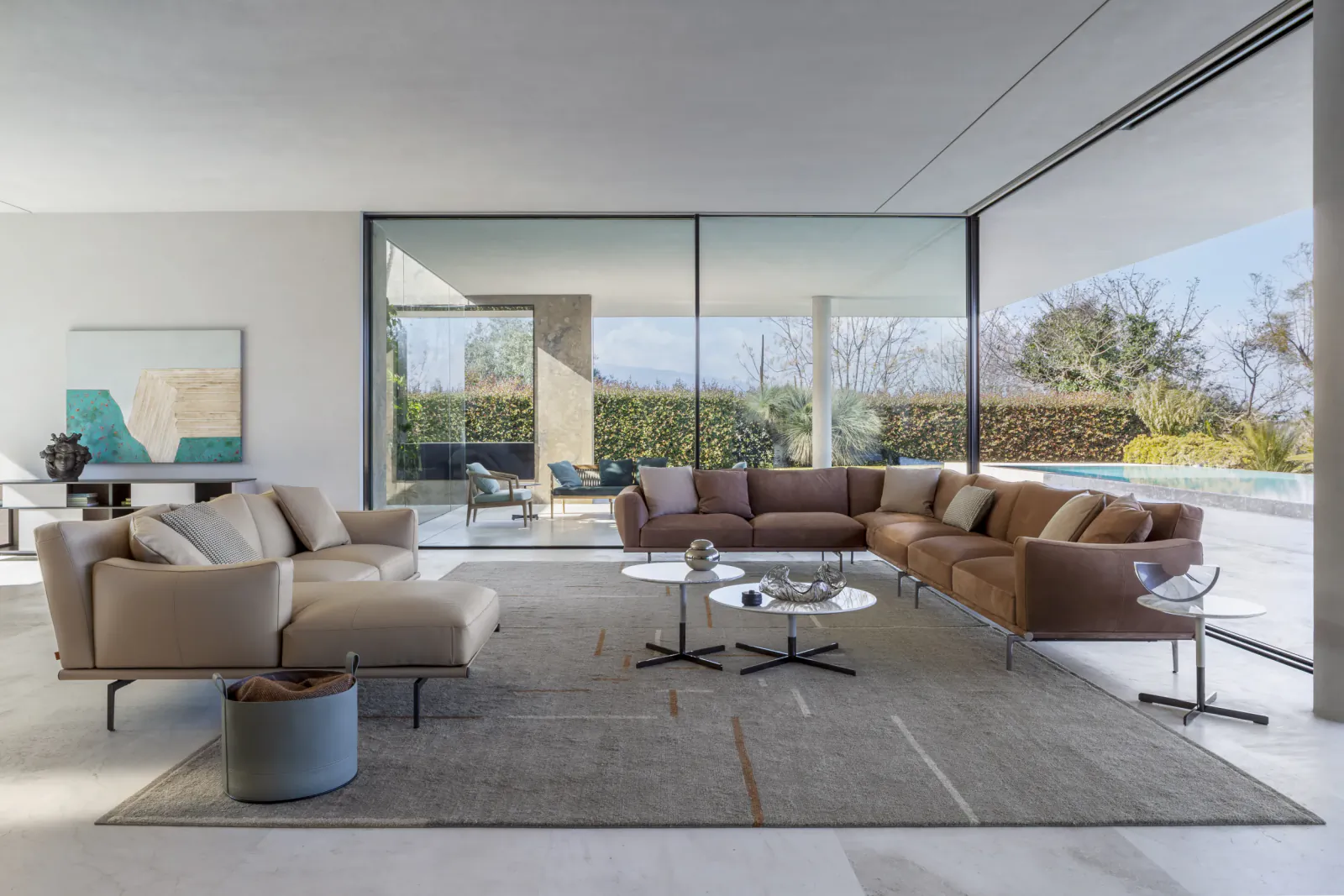
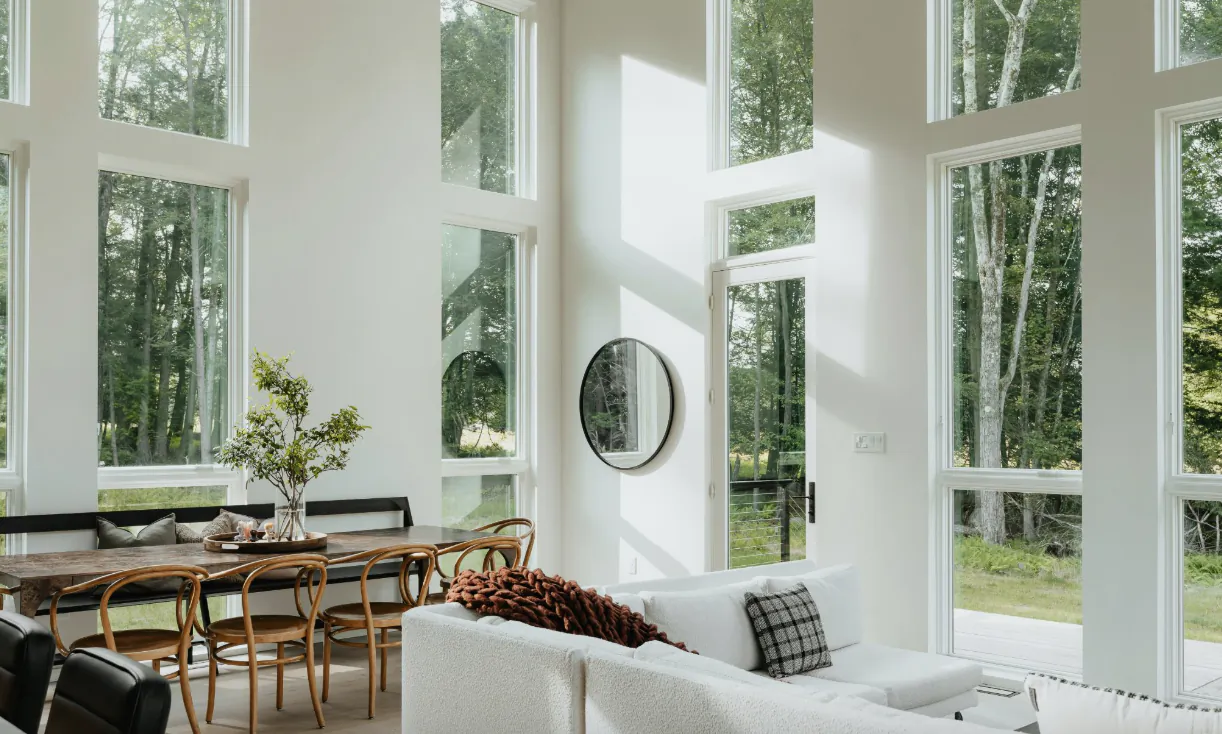
A clear, beautifully composed hero image. Two or three detail shots chosen for what they reveal about construction and finish. A lifestyle image that places the piece in a considered interior context, showing scale and atmosphere. An interactive view where the format genuinely serves the product, where rotating the piece reveals something that static images could not.
The editorial discipline applied to a luxury magazine’s photography section belongs on a luxury product page, too. Every image should be earning its place by telling the buyer something specific and important about the piece.
Consistency across the buyer journey
The most credible luxury brands maintain the same standard of visual care across every point where a buyer encounters them. The product page and the showroom should feel like expressions of the same aesthetic sensibility. The catalogue and the private client presentation should be in the same visual language as the website. The level of detail available online should anticipate, rather than fall short of, what a buyer will experience in person.
When these elements are inconsistent — when the website imagery is careful, and the printed materials are not, or when the showroom experience is warmer and more considered than the digital one — buyers notice, even if they do not articulate why. Luxury, at its core, is about consistent quality of attention. That consistency either holds across the full brand experience, or it does not hold at all.
The best luxury product presentation makes the quality of an object available to be noticed before the object is touched. It is not trying to sell. It is trying to be clear — about materials, about finish, about the presence a piece carries — so that the buyer arrives at a decision grounded in understanding rather than uncertainty.