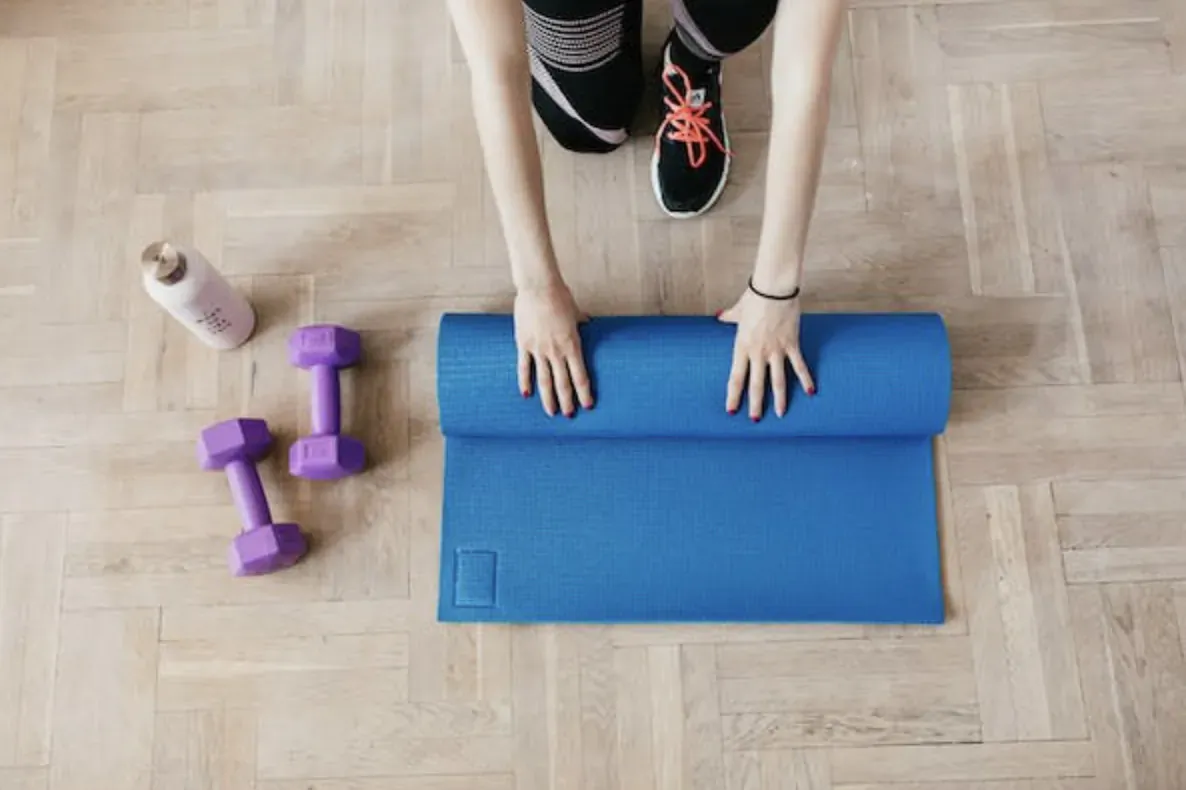
Tips To Design An Amazing Home Gym and how to Transform spare space
Designing your home gym is the best decision you will ever make. Here are tips to help you get started.
If you struggle with workout motivation or dislike using the local gym, dedicating a space in your home to a personal gym may solve all your workout woes.
The design process can be overwhelming without a plan. Fortunately, plenty of tips and tricks will help you create a gym that serves its purpose without compromising aesthetics. Read on for a comprehensive guide to designing a home gym with ambiance.
Where to Place Your Home Gym?
The placement of your home gym depends heavily on your home size and exercise routine.
You may think you need a huge room with expensive renovations to accommodate your gym.
If you have a large house with a backyard and prefer outdoor workouts, the yard is ideal for gym equipment. However, if you are an introvert who prefers indoor comfort, a spare room or open space works better.
Placing the gym near a bathroom is advisable, as you will likely want to shower post-workout. For luxury, install steam showers or a sauna for a full spa experience.
Determining the Size for Your Home Gym
Your equipment and routine determine the gym size. For yoga, a small space with a mat and mirror suffices to practise poses and monitor posture.
For avid gym users or bodybuilders, opt for a larger area for treadmills, cycles, and weights. Cardio enthusiasts should consider ceiling height to avoid injury during high-intensity jumps.
A rule of thumb: allocate 20-50 sq ft for weights, add 30 sq ft for a treadmill, and 50-200 sq ft for a fully equipped, high-end gym.
Getting the Home Gym Layout Right
Design the layout based on equipment size, ensuring ample space for comfortable movement. Divide into zones by workout type: yoga mats for flexibility, weights for strength, treadmills for cardio.
Keep only equipment you will use, avoiding clutter for aesthetics. Ensure power outlets for machines; for garden gyms, include Wi-Fi and electricity. Combine with a pool house for towel and clothing storage.
Leave space for stretching mats.
What Equipment Do You Need for a Home Gym?
With space and budget, build a multi-gym with treadmills, weights, and rowing machines. HIIT fans can start with dumbbells and mats.
The market offers home gym equipment blending luxury and technology for an attractive, functional space. Foldable treadmills save space without sacrificing performance.
Factor Lighting into Your Home Gym Design
Lighting is crucial for workouts. Soft lighting suits yoga and Pilates for relaxation; bright light aids HIIT for precise movements.
Maxmise natural light with large glass windows. For backyard gyms, add sliding or glazed doors for aesthetics and ventilation.
Combine diffused LED strip lighting in ceiling coffers for ambience and overhead downlights for tasks. Elegant options include bronze wall lights and sculptural crystal pendants.
Avoid harsh fluorescent lights that fatigue your eyes. Use layered, dimmable fixtures like chandeliers, sconces, or pendants.
Addressing Floors and Walls
Durable, easy-clean floors and walls are essential. Choose vinyl flooring or interlocking rubber tiles wall-to-wall, or individual mats under bikes to reduce noise and catch sweat.
For walls, select eggshell sheen for wipeability over matte. Plywood adds durability, but mirrors are essential—they monitor form, expand space visually, and elevate elegance.
Opt for pastels for relaxation or neon accents for contemporary flair, ensuring harmony with your home. Motivational colours like blue, green, or red uplift mood. Add plants and accents to finish.
Ensuring Practical Ventilation and Heating
Ventilation prevents humidity and sweat odours during intense sessions.
Open windows, or install dehumidifiers and extractor fans. Keep the space fragrant for family use.
For winter, use timed heating that activates 30 minutes pre-workout. Efficient insulation ensures comfort.
Incorporate Smart Storage
Regular workouts lead to clutter. Organise with stylish baskets, chests, drawers, or bookshelves to store equipment neatly.
Elevate Workouts with Audio and Visuals
Ditch boredom—add music or TV for motivation and tutorials.
Invest in smart speakers and a screen for tunes, videos, or films during exercise.
How Much Does a Home Gym Cost?
Costs vary from £300 for basics to over £15,000 for luxury setups, depending on equipment, design, and labour. DIY saves money; professionals add fees.
Benefits of a Home Gym
Save on memberships and reinvest in upgrades. Home convenience boosts motivation and privacy for self-conscious users.
Final Thoughts on Creating Your Dream Home Gym
Home gyms involve upfront costs, but long-term savings and customisation outweigh them. Transform spare space into a hub for physical and mental growth.