World-Class Views: A Guide to the World’s Most Scenic Destinations
Travelling for scenery doesn’t always mean heading to a single lookout point. In some destinations, the views appear in smaller moments. A harbour glimpsed from street level, a glacier at the end of a walking track, or a mountain framed between buildings. These details build over time and shape the experience of being there.
From Europe to the South Pacific, this guide focuses on places where the surroundings are always present, whether you’re in a busy square or a quieter part of town.
Seeing the Best of Japan’s Coastal Beauty from the Water
Japan’s coastline isn’t always the first thing visitors think of, but spending time along it quickly shifts that perspective. Around the Seto Inland Sea, ferries and small vessels move between islands like Naoshima and Teshima, where contemporary art sits alongside working fishing villages. In towns such as Tomonoura, narrow streets lead down to a working harbour, with wooden boats tied just a few steps from old merchant houses. Early in the morning, locals move through the port while the water stays calm, reflecting the hills behind it.
Many travellers choose to stay on luxury small ship cruises in Japan for a more seamless way to explore the coastline without the constant packing and unpacking. These itineraries focus on lesser-known ports that larger vessels simply can’t reach, offering access to smaller harbours and towns that are often missed on standard routes. Stops often include places like Kanazawa, where Omicho Market opens early with seafood stalls, and Sakaiminato, known for its connection to traditional folklore and quiet waterfront walks.
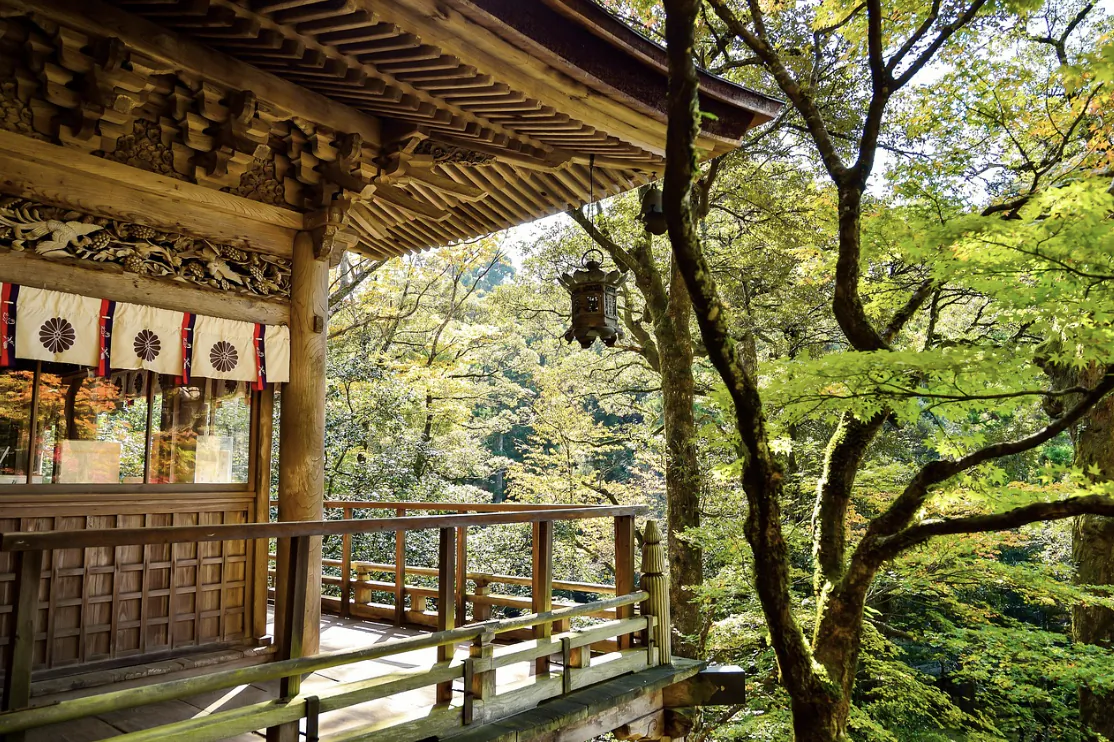
Further north, the Noto Peninsula feels more remote. Coastal roads pass through fishing communities where drying racks line the shore, and shrines sit just above the waterline. Walking paths near Wajima lead past lacquerware workshops and into areas where the sea is never far away.
Walking Through the Timeless Charm of the Amalfi Coast
The Amalfi Coast is often associated with its views from the road, but walking through its towns gives a clearer idea of daily life. In Positano, steep stairways connect houses stacked along the hillside. Via dei Mulini cuts through the centre, with small shops and shaded corners where locals pause during the afternoon. The beach below fills up quickly, but early mornings are quiet, with fishermen pulling in small catches near the shoreline.
In Amalfi itself, Piazza del Duomo becomes a meeting point from morning to evening. The cathedral steps are rarely empty, and nearby alleys lead to places like Via Lorenzo d’Amalfi, where you’ll find paper shops still producing handmade goods. Walking inland from here brings you to Ravello, where Villa Cimbrone’s terrace opens out towards the sea, framed by stone balustrades that have been here for generations.
Paths between towns reveal another side of the coast. The Sentiero degli Dei, or Path of the Gods, runs above the shoreline between Bomerano and Nocelle. It’s narrow and often uneven, but it opens up to long views across the coastline, away from the traffic below. Locals pass through carrying supplies, and you’ll likely stop more than once to take in the water. It ends quietly, with a set of steps leading back down into town.
Discovering the Dramatic Peaks and Glaciers of the South Pacific
New Zealand’s landscapes feel vast in a way that’s hard to prepare for. Around Queenstown, the town sits right beside Lake Wakatipu, with The Remarkables rising directly behind it. Walking along Marine Parade in the early evening, you’ll see locals heading home while the light changes across the mountains. It’s a place where everyday routines continue with a strong backdrop that never fades into the distance.
If planning starts to feel overwhelming, it may be worth considering New Zealand tailor-made travel packages, particularly when visiting remote areas like Fiordland National Park, where logistics can be more complex to arrange on your own. Milford Sound is one of the most visited spots in the region, yet it still feels isolated once you’re out on the water. Boats move slowly past sheer rock faces, with waterfalls dropping directly into the fjord. On land, the Milford Track passes through dense forest and open valleys, with sections of boardwalk crossing wetlands that fill after rain.
Further along the South Island, Aoraki/Mount Cook National Park offers a different setting. The Hooker Valley Track leads to a glacial lake with floating ice, and the path is busy during the day with walkers stopping along the suspension bridges. In Wanaka, Roys Peak draws people up early in the morning, with a steep climb that opens up over the lake once you reach the top. It’s not an easy walk, but the view keeps people moving.
Finding Peace and Fresh Air in the Swiss Alpine Highlands
Switzerland’s mountain towns are compact, but the surroundings feel expansive. In Zermatt, Bahnhofstrasse runs through the centre, with shops and hotels lining the street before it narrows into quieter areas. Electric vehicles replace cars, so the town stays relatively calm even during peak seasons. From almost anywhere, the Matterhorn appears between buildings, sometimes only for a few seconds before disappearing again.
Cable cars and funiculars take people higher up into the mountains. From Sunnegga, paths lead across open terrain where marmots are often seen during warmer months. Further up at Gornergrat, the railway climbs steadily, with stops that reveal glaciers stretching across the landscape. Walkers head out from these points, often following marked trails that pass alpine lakes reflecting the peaks.
In the Bernese Oberland, towns like Wengen sit above the valley floor and are accessible by train. Wooden chalets line the streets, and walking paths connect to viewpoints overlooking the Lauterbrunnen Valley. Waterfalls drop from high cliffs, visible even from the train as it climbs.
Exploring the Vast and Untouched Wilds of Patagonia
Patagonia covers a large area across Chile and Argentina. In El Chaltén, dirt roads lead through the village, with Cerro Fitz Roy visible from certain points on the edge of town. Walkers set off early towards Laguna de los Tres, where the trail climbs steadily before opening out to a lake beneath the peaks. Weather changes quickly here, so it’s common to see clear skies turn into cloud cover within a few hours.
Torres del Paine National Park has a different layout. The park entrance leads to open plains where guanacos move freely, and further in, the granite towers rise sharply above the landscape. The road towards Lago Pehoé passes viewpoints where people stop to take photos, though it’s often the quieter spots that leave a stronger impression. Short walks near Salto Grande waterfall give access to open ground with wide views across the lake.
On the Argentine side, Perito Moreno Glacier draws visitors to Los Glaciares National Park. Boardwalks run along the edge of the viewing area, allowing close views of the ice front. Sections of the glacier break off without warning, falling into the water below with a sharp crack that carries across the lake. It’s a place where you don’t need to move far to take it in. Standing still works just as well.
Are you ready to leave the city behind and reconnect with the world’s most breathtaking natural wonders?
The destinations above don’t rely on a single highlight. You notice them in small moments, whether that’s walking through a town, standing near the water, or looking up at the mountains from street level. Each place carries its own character, shaped by how people live alongside the landscape. Where you go depends on what kind of surroundings you want to be part of, even for a short time.